
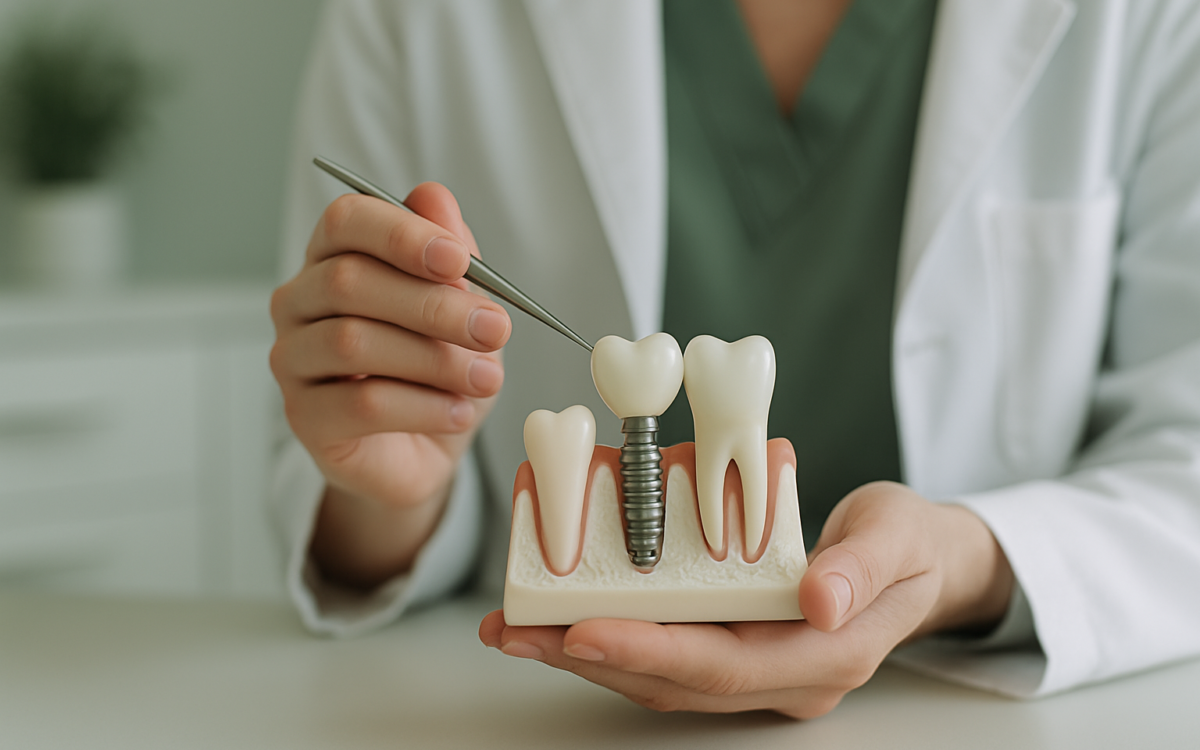
A bright smile can transform your confidence and overall appearance. If you’ve lost a tooth or several teeth, dental implants offer an excellent solution to restore your smile. In Houston, TX, the availability of skilled professionals and advanced technology makes it easier to consider this option. This article will cover the benefits, process, aftercare, and other essential factors regarding dental implants in Houston, TX.
What Are Dental Implants?
Dental implants are artificial tooth roots that provide a permanent base for fixed replacement teeth. Made of titanium, they are surgically placed into the jawbone, allowing for a stable and durable solution for tooth loss. According to the Mayo Clinic, dental implants can support one or more artificial teeth and are an effective long-term solution for those missing teeth.
Benefits of Dental Implants
The benefits of dental implants extend beyond just aesthetics. Here are a few compelling reasons why you might consider getting dental implants:
- Natural Look and Feel: Implants closely mimic the appearance and function of natural teeth, so most people won’t notice they are replacements.
- Durability: With proper care, dental implants can last a lifetime, making them a wise investment in your oral health.
- Bone Health: Implants stimulate the jawbone, helping to prevent the bone loss that often occurs after teeth are lost.
- Improved Speech: Unlike dentures, which may slip or click, implants stay firmly in place, allowing for effortless speaking.
- Enhanced Self-Esteem: Restoring your smile can boost your confidence and overall self-image.
The Dental Implant Process in Houston
The journey to obtaining dental implants typically involves several steps:
- Initial Consultation: During your first visit, a dentist will assess your oral health and take imaging tests, such as X-rays, to determine if you are a suitable candidate.
- Surgical Procedure: The implant is surgically placed into the jawbone. This procedure is usually done under local anesthesia or sedation to ensure comfort.
- Osseointegration: Over the next few months, the bone will fuse to the implant in a process called osseointegration.
- Abutment Placement: Once the implant is stable, an abutment (connector) is placed on top, which will hold the crown (the visible part of the tooth).
- Crown Placement: Finally, a custom-made crown is attached, completing your new smile.
Aftercare and Maintenance
Taking care of your dental implants is vital to ensure their longevity. Here are some aftercare tips:
- Practice good oral hygiene: Brush and floss regularly, just like natural teeth.
- Regular dental visits: Schedule follow-up visits with your dentist to monitor the health of your implant.
- Avoid hard foods: Be cautious with hard foods to prevent damage to the implant or crown.
If you are considering dental implants as a form of treatment, the process may also be suitable for international patients. Many people travel for dental care, experiencing significant savings and high-quality treatment options. You can learn about these opportunities through international patient services, which connect you with reputable professionals across the globe.
Costs of Dental Implants in Houston
The cost of dental implants can vary widely based on several factors, including:
- The number of implants needed.
- The need for additional procedures, such as bone grafting.
- The experience and expertise of the dentist.
- Geographic location and facility fees.
Most insurance plans cover a portion of the cost, but it’s essential to check with your provider for details regarding coverage. While implants can be a considerable investment upfront, their long-term benefits can outweigh the initial expenses.
Potential Risks and Considerations
No medical procedure is without risks. While dental implants are generally safe, some potential risks include:
- Infection at the implant site.
- Damage to surrounding teeth or blood vessels.
- Sinus issues (especially for upper jaw implants).
If you’re a smoker or have existing health conditions, you may have a higher risk of complications. Discussing your full medical history with your dentist can help mitigate these concerns.
When to See a Doctor
If you experience any unusual symptoms following your implant procedure, such as prolonged pain or swelling, be sure to contact your dentist promptly. It’s crucial to address any potential issues early to avoid complications.
Dental implants can significantly improve your quality of life by restoring your smile and functionality. As a leading metropolitan area, Houston, TX, offers various dental professionals who can guide you through the implant process. Keep informed, ask questions, and take the next step towards a healthier smile.
