
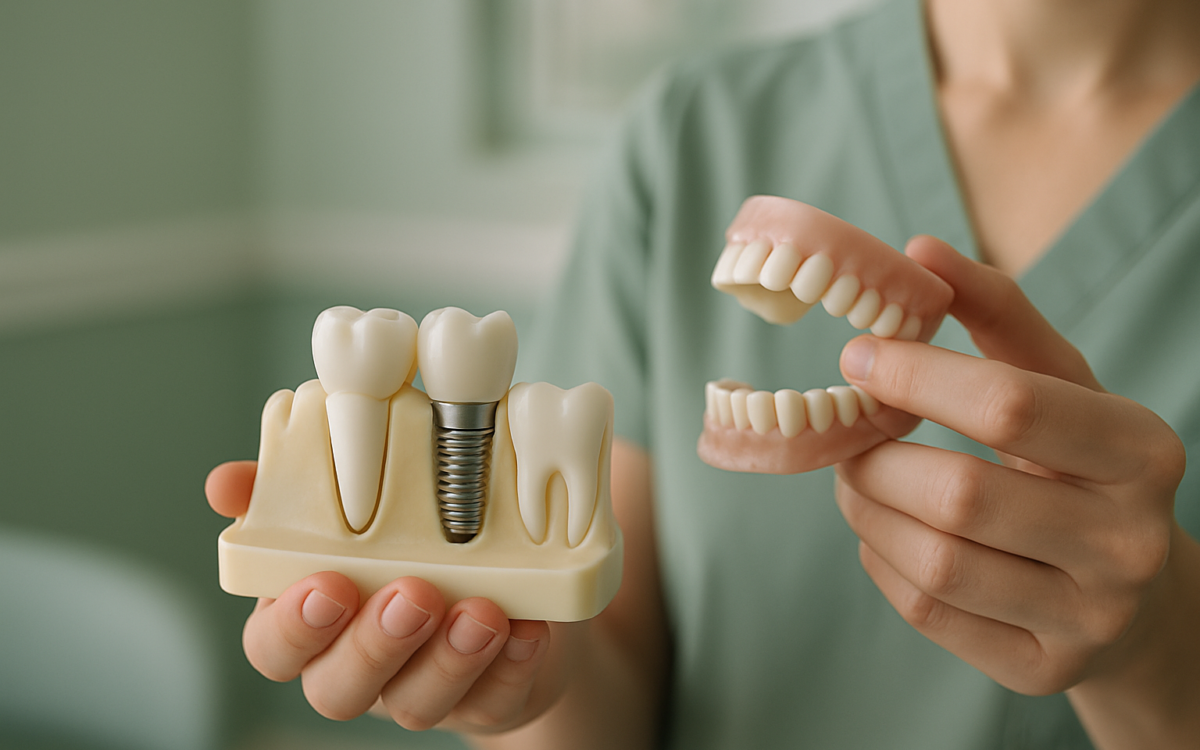
If you are considering a solution for missing teeth, dental implants may be a topic you’ve heard about. Miami, known for its vibrant culture and beautiful beaches, also offers innovative and advanced dental care options. Understanding dental implants can help you decide if this treatment is right for you. In this article, we will explore the benefits, procedure, costs, and maintenance involved in getting dental implants.
What Are Dental Implants?
Dental implants are artificial tooth roots, typically made from titanium, that are surgically placed into the jawbone to support replacement teeth. They serve as a base for fixed or removable replacement teeth that are designed to blend in with your natural teeth. Dental implants can be an effective solution for those looking to restore function and aesthetics in their mouths.
Benefits of Dental Implants
Choosing dental implants comes with several advantages:
- Natural Appearance: Implants look and feel like natural teeth, which can enhance your smile.
- Durability: With proper care, dental implants can last many years, often a lifetime.
- Improved Oral Health: They do not require reducing other teeth, unlike bridges. This helps preserve your natural teeth and improve oral health.
- Better Chewing Ability: Dental implants can restore your ability to chew food easily, which is important for your nutrition.
The Dental Implant Procedure
The process of getting dental implants generally unfolds in several stages:
- Initial Consultation: During your first visit, your dentist will evaluate your mouth and jawbone, and discuss your medical history.
- Implant Placement: The titanium implant is surgically placed into your jawbone under local anesthesia. Healing may take several months.
- Abutment Placement: Once healed, an abutment, or connector, is attached to the implant to hold the new tooth.
- Crown Placement: Finally, a custom-made crown is attached to the abutment, restoring your smile.
Many patients report feeling little to no pain during the implant procedure due to advances in anesthesia and surgical techniques.
Who Is a Candidate for Dental Implants?
While many people are suitable candidates for dental implants, certain factors can influence your eligibility:
- Healthy Gums: You need to have healthy gum tissues that can support the implant.
- Sufficient Jawbone: You must have enough bone to anchor the implants. If bone loss has occurred, additional procedures may be necessary.
- Good Overall Health: Conditions such as diabetes or uncontrolled gum disease may affect your candidacy.
Consulting with a qualified dental professional can provide you with a clear understanding of whether you are a good candidate for this procedure.
Cost of Dental Implants in Miami
The cost of dental implants in Miami can vary widely based on several factors, including:
- The Number of Implants: The more implants you need, the higher the total cost.
- Type of Implant: Different types of implants might have different price points.
- Location and Facility: Prices can vary by location and the facility’s overhead costs.
On average, a single dental implant may range from $3,000 to $4,500. It is essential to discuss financing options with your dentist or look for payment plans that can work within your budget.
Maintenance and Care for Dental Implants
After receiving dental implants, proper care is vital to ensure their longevity:
- Regular Oral Hygiene: Brush and floss daily to maintain good oral hygiene.
- Routine Dental Visits: Regular check-ups with your dentist will help monitor the health of your implants.
- Avoid Harmful Habits: Avoid smoking and excessive alcohol consumption as they can impact implant success.
By following these guidelines, many patients can keep their dental implants for many years without issues.
When to See a Doctor
If you experience prolonged pain, discomfort, swelling, or other unusual symptoms after your implant procedure, it’s essential to consult with your dentist promptly. They can assess any potential complications, such as infection or implant rejection.
Understanding dental implants and their related procedures can empower you in your oral health decisions. If you are navigating tooth loss, this advanced option may bring back not just your smile, but your confidence too. Always consult with a dental professional to address your specific needs and concerns.
