
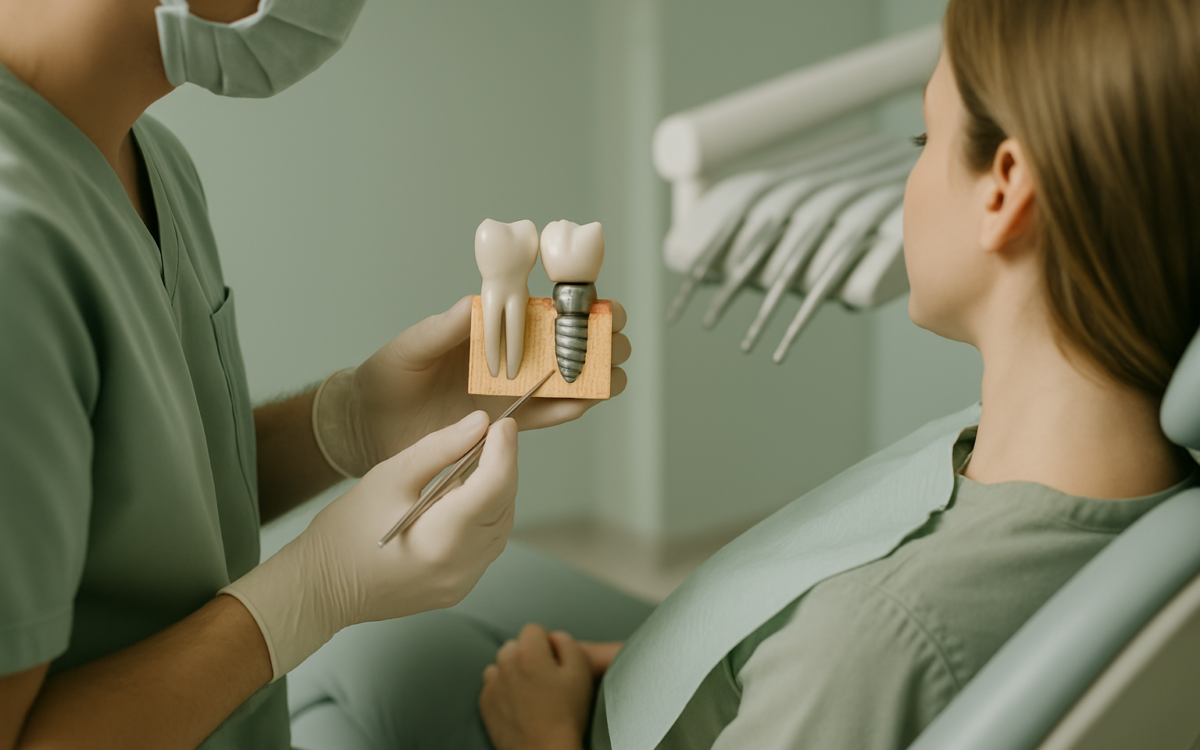
Missing teeth can lead to a host of problems, from difficulty chewing to a decline in self-confidence. Fortunately, dental implants offer a restorative solution that can help. These services have become increasingly popular, and understanding them can empower you to make informed decisions about your oral health.
What Are Dental Implants?
Dental implants are artificial tooth roots made of biocompatible materials, usually titanium, that are surgically placed into the jawbone. Over time, they fuse with the bone through a process called osseointegration, providing a sturdy and durable foundation for replacement teeth. These implants serve as an excellent option for individuals with one or more missing teeth.
Why Consider Dental Implants?
There are several reasons why someone might choose dental implants over other tooth replacement options, such as bridges or dentures:
- Durability: With proper care, dental implants can last a lifetime, making them a long-term investment in your oral health.
- Appearance: Implants are designed to look and feel like natural teeth, improving both aesthetics and comfort.
- Functionality: They restore full chewing power, allowing you to eat a wide range of foods without discomfort.
- Bone health: Implants can help prevent bone loss in the jaw, which can occur when teeth are missing.
The Dental Implant Process
The process of getting dental implants can take several months, which involves multiple steps:
1. Consultation and Planning
Initially, you will meet with a dental professional who specializes in implants. They will evaluate your oral health and discuss your goals. This may include imaging tests, such as X-rays or CT scans, to assess your jawbone’s structure.
2. Implant Placement
Once you are approved for the procedure, the next step is the surgical placement of the implant. This typically involves local anesthesia to numb the area, ensuring a painless experience. The dentist places the implant into the jawbone, where it will gradually fuse over time.
3. Healing and Osseointegration
After the implant is placed, you will enter a healing phase, which can last several months. During this time, the bone will grow around the implant, securing it firmly in place. You may be given a temporary crown during this waiting period.
4. Abutment and Crown Placement
Once healing is complete, an abutment, which is a connector piece, will be attached to the implant. After this, your dentist will design a custom crown that matches the color and shape of your natural teeth. This crown will be secured to the abutment, completing the implant procedure.
Care for Dental Implants
<pProper care for your dental implants is crucial to ensure their longevity:
- Oral Hygiene: Maintain regular brushing and flossing routines. Consider using an interdental brush to help clean around the implant.
- Regular Dental Visits: Schedule regular check-ups with your dentist to ensure the health of your implant and surrounding gums.
- Avoid Certain Habits: If you smoke or chew tobacco, consider quitting, as these habits can negatively impact your oral health.
Potential Risks and Complications
While dental implants have a high success rate, it’s important to be aware of potential risks, such as:
- Infection: Like any surgery, there is a risk of infection following the procedure.
- Implant Failure: In rare cases, the implant may not properly fuse with the jawbone, leading to failure.
- Nerve Damage: The surgical procedure could potentially damage nearby nerves, causing discomfort or numbness.
Consult with your dentist about these risks and how they can be minimized.
Cost of Dental Implant Services
The cost of dental implants can vary significantly based on several factors, including:
- The number of implants needed.
- The complexity of the procedure.
- Geographical location.
On average, a single dental implant can cost between $3,000 and $4,500, but prices can differ based on individual circumstances. It’s always best to discuss potential costs and financing options with your dental provider.
When to See a Doctor
If you experience any of the following symptoms after receiving dental implants, consult your dental provider:
- Persistent pain or discomfort
- Bleeding from the implant site
- Swelling or infection around the gums
Early intervention can help address any complications that may arise.
Conclusion
Dental implants offer a reliable solution for those with missing teeth, providing both functional and aesthetic benefits. Understanding the process, costs, and care necessary for maintaining implants can empower you to make the best decisions for your dental health. Consulting a qualified dental professional is crucial to ensure a successful outcome. Always prioritize your oral health for a brighter and healthier smile.
