
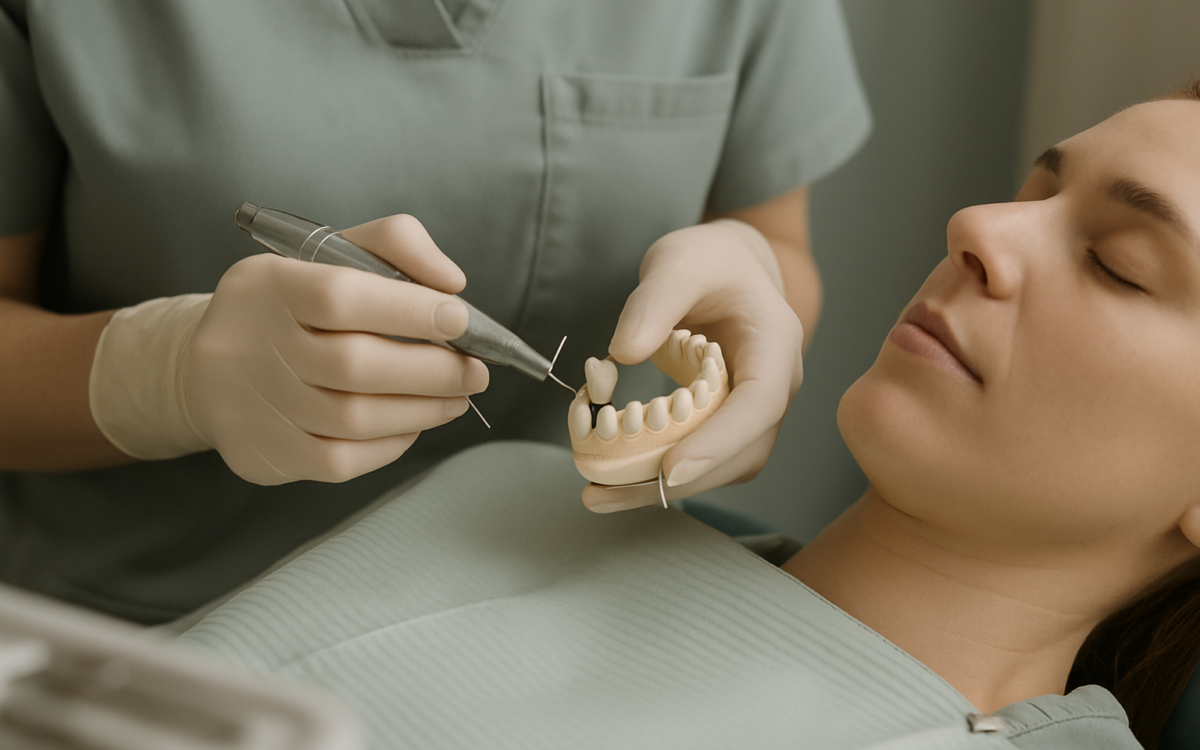
If you’ve ever faced significant dental issues, you might have heard the term “dental reconstruction.” This process involves various procedures designed to repair or replace damaged teeth, restore functionality, and improve aesthetics. Whether resulting from trauma, decay, or congenital issues, dental reconstruction can make a significant difference in a person’s oral health and quality of life. Understanding the types, benefits, and procedures involved can help you make informed decisions about your dental care.
What Is Dental Reconstruction?
Dental reconstruction refers to a range of procedures aimed at restoring the structure and function of teeth. It encompasses both functional and cosmetic aspects, addressing not only the health of the teeth but also their appearance. Procedures can range from simple fillings to complex surgeries, depending on the extent of damage or loss.
Types of Dental Reconstruction
There are several types of dental reconstruction, each tailored to address specific needs. Here are some common procedures:
- Dental Crowns: Crowns are custom-made caps that fit over a damaged tooth. They can protect weak teeth, restore broken ones, or cover poorly shaped teeth.
- Bridges: A dental bridge consists of one or more artificial teeth supported by neighboring healthy teeth. This procedure fills gaps left by missing teeth and restores function.
- Implants: Dental implants are titanium posts surgically placed in the jaw to serve as artificial tooth roots. They provide a strong foundation for replacement teeth.
- Complete and Partial Dentures: These are prosthetic devices that replace missing teeth. Complete dentures replace all teeth, while partial dentures fill gaps in a row of teeth.
- Veneers: These are thin shells made of porcelain or composite resin that are bonded to the front of the teeth. They improve the appearance of teeth that are stained or chipped.
Benefits of Dental Reconstruction
Dental reconstruction offers numerous advantages, both physically and emotionally. Here are some key benefits:
- Improved Functionality: Restoring damaged teeth can significantly improve chewing and speaking capabilities.
- Enhanced Aesthetics: Procedures can correct cosmetic issues, giving you a more attractive smile.
- Boosted Confidence: Feeling good about your smile can boost your self-esteem and enhance your social interactions.
- Prevent Future Complications: Addressing dental issues can prevent further problems, such as infections or additional tooth loss.
The Dental Reconstruction Process
Undergoing dental reconstruction typically involves several steps, beginning with a comprehensive evaluation by your dentist. Here’s what you can expect:
- Initial Consultation: During this visit, your dentist will assess your oral health, take X-rays, and discuss your goals.
- Treatment Planning: Based on your needs, your dentist will design a tailored treatment plan that outlines the necessary procedures.
- Procedure Execution: Depending on the complexity, procedures may be performed over multiple visits. Local anesthesia is often used to minimize discomfort.
- Follow-Up Care: After procedures, your dentist will provide instructions for care and schedule follow-up appointments to monitor healing.
Recovery and Aftercare
The recovery time for dental reconstruction varies based on the procedures performed. Here are some general guidelines for aftercare:
- Soft Foods: For the first few days, stick to soft foods to avoid straining the treated area.
- Oral Hygiene: Maintain good oral hygiene by brushing and flossing but be gentle around the surgery sites.
- Pain Management: Over-the-counter pain relievers can help manage discomfort. Always consult your dentist before taking any medication.
- Regular Check-Ups: Attend all follow-up appointments to ensure your recovery is progressing well and your new restorations are functioning correctly.
When to See a Doctor
If you experience tooth pain, sensitivity, or noticeable damage to your teeth, it’s essential to consult a dentist. Additionally, if you notice changes in your bite or difficulty chewing, these may be signs that dental reconstruction could be necessary. Maintaining regular check-ups is crucial for identifying potential issues early, as outlined by organizations like the CDC.
Conclusion
Dental reconstruction is an invaluable option for individuals with damaged or missing teeth. By addressing both the functional and cosmetic aspects of dental health, these procedures can significantly enhance one’s quality of life. If you’re facing dental challenges, consult your dentist to explore the best reconstruction options suitable for you. Remember, taking proactive steps for your oral health can lead to lasting benefits.
