
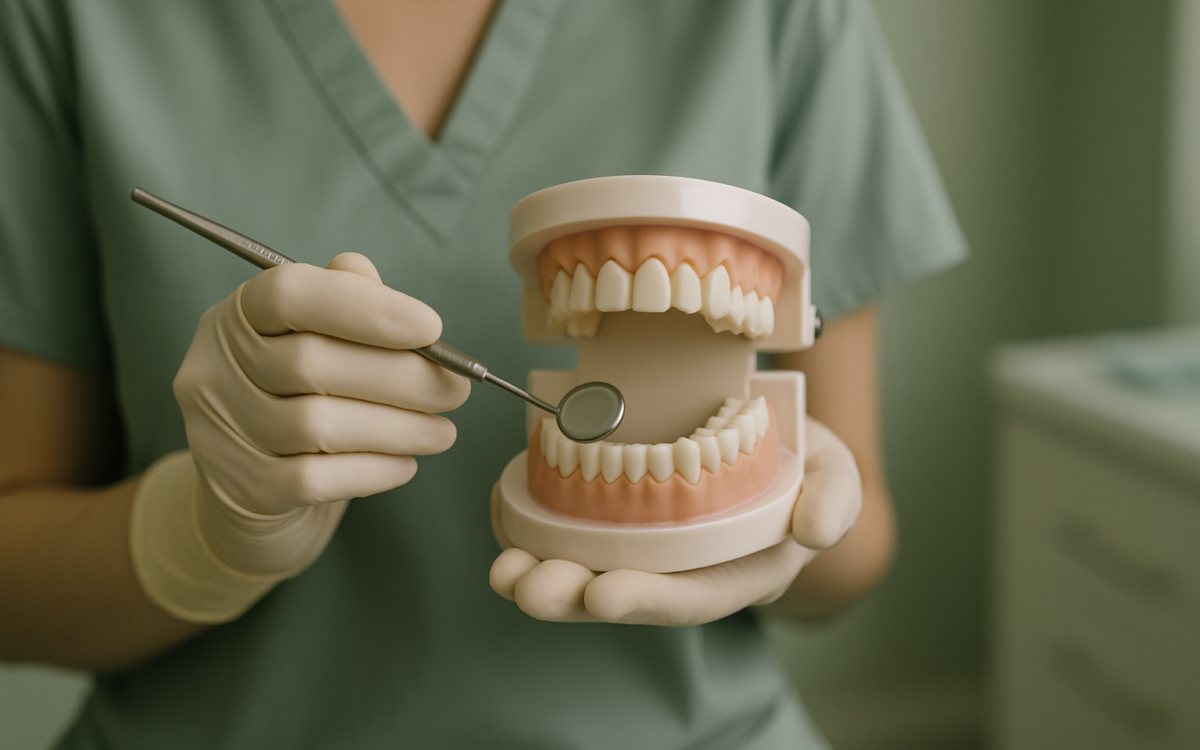
Your teeth do a lot more than just help you chew your food. They are essential for your overall health, impacting everything from your appearance to your nutrition to your self-esteem. Most people are aware of the basics of dental care, but there are plenty of myths and misconceptions that can lead to poor dental health. This article explores the importance of dental hygiene, common myths, and how you can ensure your teeth remain strong and healthy throughout your life.
The Importance of Dental Teeth Care
Dental teeth care is crucial for many reasons. Healthy teeth allow you to chew effectively, which aids digestion and helps your body absorb necessary nutrients. Furthermore, they play a vital role in your speech and the way you communicate. Good dental hygiene can also prevent numerous health issues.
Oral health has a direct connection to overall health. According to the Centers for Disease Control and Prevention (CDC), conditions like gum disease can increase your risk of heart disease, diabetes, and other serious health issues. By maintaining healthy dental hygiene, you’re not only protecting your teeth but also potentially reducing the risk of broader health complications.
Essential Dental Hygiene Practices
To maintain good dental health, follow these essential practices:
- Brush Twice Daily: Use fluoride toothpaste and brush your teeth for at least two minutes each time.
- Floss Regularly: Flossing once a day removes food and plaque from between teeth where a toothbrush can’t reach.
- Limit Sugary Foods and Drinks: Sugar can contribute to tooth decay; limit your intake and rinse your mouth afterwards.
- Regular Dental Check-ups: Visit your dentist at least twice a year for professional cleanings and check-ups.
Implementing these practices can help you keep your teeth in great shape and reduce the chance of developing cavities or gum disease.
Common Myths About Dental Teeth
Myths about dental health can lead to misguided practices and poor health. Here are some common misconceptions:
- Myth 1: Whiter teeth are healthier teeth. In reality, the whiteness of your teeth doesn’t necessarily indicate their health. Some products used for whitening may even harm tooth enamel.
- Myth 2: If you don’t feel pain, you don’t have dental problems. Many issues like cavities or gum disease do not present immediate symptoms. Regular check-ups are important.
- Myth 3: Dentists will always recommend dental treatments you don’t need. Most dentists operate with the intent to prioritize your health and only suggest necessary procedures.
Debunking these myths is essential for making informed decisions about your dental care.
Teeth and Nutrition
Your diet impacts your dental health more than you might think. Foods and drinks can contribute to tooth decay or strengthen your teeth. Here’s what to focus on:
- Calcium and Vitamin D: These nutrients are vital for healthy teeth and bones. Include dairy products, leafy greens, and fish high in omega-3 fatty acids.
- Phosphorus: This mineral helps to rebuild tooth enamel. Foods like eggs, fish, and nuts are great sources.
- Limit Acidic Foods: Foods such as citrus fruits and sodas can erode tooth enamel; consume them in moderation and rinse with water afterwards.
With a balanced diet, you can help to keep your dental teeth healthy and reduce the risk of decay.
Preventing Dental Problems
Despite your best efforts, dental problems can still arise. Here are some preventative steps you can take:
- Use Mouthwash: An antibacterial mouthwash can reduce plaque and gingivitis.
- Consider Sealants: Dental sealants are thin coatings applied to the chewing surfaces of back teeth. They help prevent cavities, particularly in children.
- Don’t Ignore Dental Issues: If you notice problems such as swelling, pain, or bleeding gums, it’s wise to consult your dentist sooner rather than later.
Taking these proactive measures can significantly decrease your chances of facing complicated dental issues down the line.
When to See a Dentist
Regular visits to the dentist are essential, but there are specific signs that indicate you should schedule an appointment as soon as possible:
- Persistent tooth pain or sensitivity
- Swollen or bleeding gums
- Bad breath that doesn’t improve with brushing
- Loose teeth
- Changes in the shape or color of your gums
If you experience any of these symptoms, consult a dental professional for a thorough evaluation.
In conclusion, taking care of your dental teeth goes beyond just having a beautiful smile. Proper dental hygiene, dispelling myths, nutrition, and knowing when to see a dentist are all integral parts of maintaining your oral health. By prioritizing your dental care, you can ensure that your teeth remain healthy for a lifetime.
