
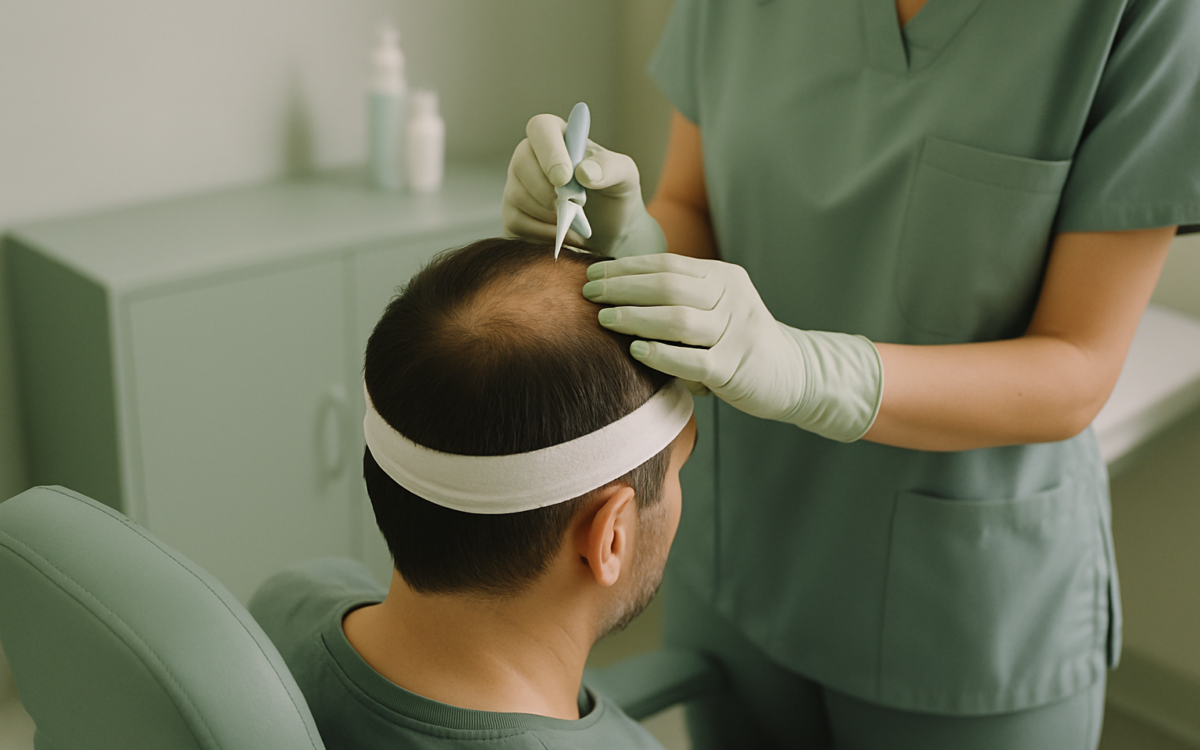
If you’re struggling with hair loss, you’re not alone. Millions of people experience varying degrees of hair thinning or baldness. For those seeking solutions, DHI (Direct Hair Implantation) clinics have emerged as a popular option. These clinics offer advanced techniques that promise not only effective results but also a more streamlined process. In this article, we’ll explore what DHI clinics are, how they work, and if they might be the right choice for you.
What is a DHI Clinic?
A DHI clinic specializes in hair restoration, particularly using the direct hair implantation technique. This method is designed to replace lost hair by transplanting healthy hair follicles directly into the thinning or balding areas of the scalp. Unlike traditional hair transplant methods, DHI focuses on precision and minimal invasiveness, making it an appealing option for many patients.
The DHI Method Explained
At the heart of a DHI clinic’s services is the direct hair implantation method. Here’s how it typically works:
- Consultation: The process begins with a consultation where a specialist evaluates your hair loss, discusses your goals, and determines your eligibility for the procedure.
- Follicle Extraction: Healthy hair follicles are extracted from a donor area, usually the back of the head, using a specialized tool.
- Direct Implantation: Instead of creating recipient sites before placing the hair follicles, DHI uses a patented implanter pen that allows for the simultaneous insertion of follicles into the scalp.
- Post-Procedure Care: After the procedure, patients receive instructions on how to care for their scalp to promote healing and encourage hair growth.
The advantage of this method lies in its ability to mimic natural hair growth patterns and minimize trauma to the scalp, which may lead to faster recovery times.
Benefits of Choosing a DHI Clinic
Many individuals consider DHI clinics for their hair restoration needs due to the unique advantages they offer, such as:
- Natural Results: The technique allows for greater control over the angle and direction of hair growth, enabling results that look and feel more natural.
- Less Invasive: DHI is generally less invasive than traditional methods. The less trauma to the scalp may lead to fewer complications and a quicker recovery.
- High Precision: The use of the implanter pen enhances precision during implantation, potentially leading to better overall density and coverage.
- Shorter Procedure Time: Thanks to the efficiency of the method, patients may spend less time in the clinic compared to traditional hair transplant procedures.
While these benefits are compelling, individual results can vary, and it’s crucial to consider personal health and hair loss conditions as well.
Risks and Considerations
Although DHI clinics present various advantages, there are potential risks and considerations, making it essential to approach hair restoration with a well-informed mindset:
- Temporary Side Effects: As with any surgical procedure, there may be temporary side effects such as swelling, bruising, or tenderness in the treated area.
- Infection Risk: There’s always a risk of infection post-surgery, although this is rare when proper aftercare is followed.
- Not Suitable for Everyone: DHI may not be ideal for every type of hair loss. A consultation will provide insight into whether you qualify.
- Cost Considerations: Hair restoration procedures, including those at DHI clinics, can be costly, and not all insurance plans cover them.
It’s essential to weigh these risks and thoroughly discuss them with your healthcare provider before undergoing the procedure.
What to Expect After a DHI Procedure
After experiencing the hope of regaining hair through a DHI clinic, recovery and results do take time:
- Initial Healing: Expect some redness and minor swelling in the transplanted area, which typically subsides within a few days.
- Hair Growth Timeline: While transplanted hair may shed initially—this is normal—new hair growth generally begins between three to six months after the procedure.
- Long-Term Results: Most patients see full results about 12 to 18 months post-procedure. Patience is critical as natural hair growth takes time.
Follow-up care is also vital, as your healthcare provider may recommend specific treatments or lifestyle changes to help maintain your results.
When to See a Doctor
If you are considering hair restoration but are unsure whether DHI or any other method is appropriate, it’s a good idea to consult a healthcare professional. You should seek medical advice if you experience:
- Significant hair loss affecting your self-esteem.
- Scalp irritation or infections post-procedure.
- Rapid worsening of hair loss after a transplant.
Having a conversation with a doctor can help you understand your options and what’s best for your unique situation.
For more information about hair restoration techniques and to explore your options, consider checking sources like the NIH, Mayo Clinic, and World Health Organization.
In conclusion, DHI clinics represent an innovative approach to tackling hair loss, offering a blend of advanced technology and patient-centered care. If you’re considering hair restoration, understanding what a DHI clinic entails and weighing your options can help set you on the path to a solution that best fits your needs.
