
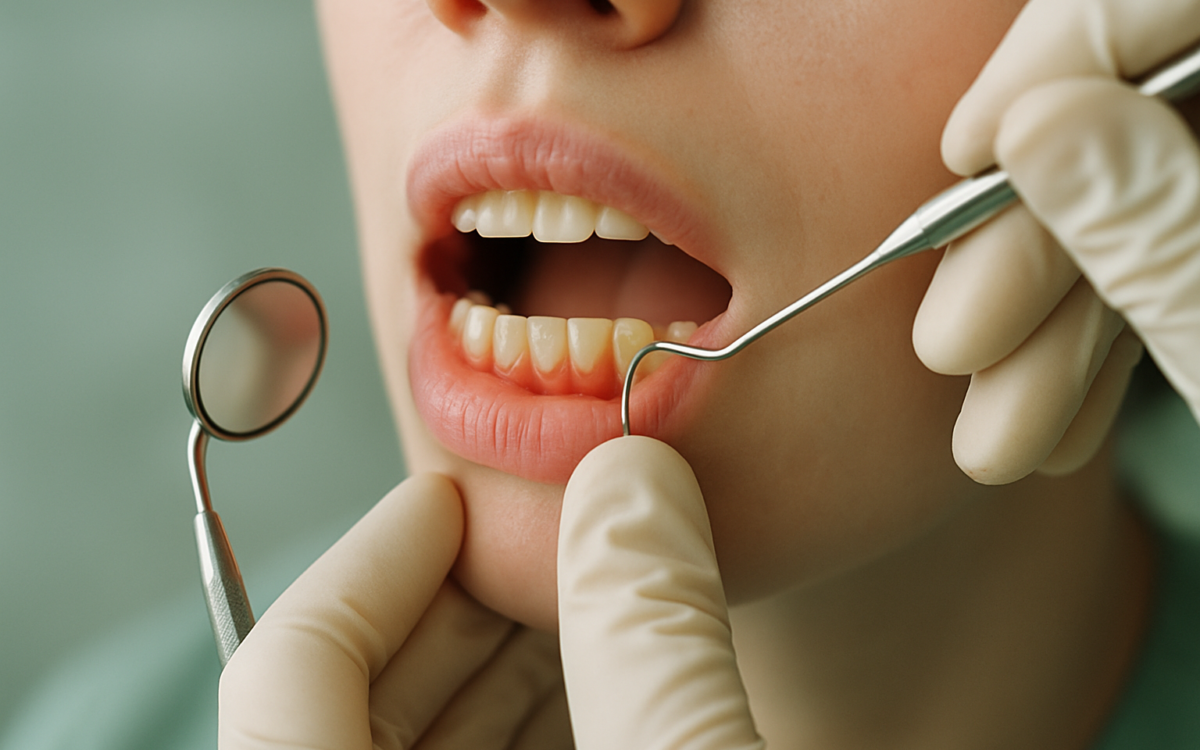
Gum disease, often referred to as periodontal disease, affects many adults. It starts off subtly, often without noticeable symptoms. Understanding early gum disease is crucial for maintaining a healthy smile and avoiding complications later on. In this article, we’ll discuss the signs, causes, prevention tips, and when to seek help.
What is early gum disease?
Early gum disease, known as gingivitis, is the initial stage of gum disease characterized by inflammation of the gums. It occurs when plaque—a sticky film of bacteria—builds up on teeth and irritates the gums. If not treated, gingivitis can progress to more severe forms of gum disease, which can lead to tooth loss and other serious health issues.
Recognizing the symptoms
Many people are unaware they have early gum disease because its symptoms can be mild or easily overlooked. Here are some common signs to watch out for:
- Swollen gums: Look for any redness or puffiness in the gum tissue.
- Bleeding gums: This can occur during brushing, flossing, or even spontaneously.
- Bad breath: Persistent bad breath that doesn’t go away with brushing can be a sign.
- Recession of gums: Gums may begin to pull away from teeth, making them appear longer.
If you notice any of these symptoms, it’s essential to pay attention and maintain good oral hygiene. Early identification of gum disease can help prevent its progression.
Causes of early gum disease
There are several factors that contribute to the development of early gum disease. Understanding these can help you manage your oral health better:
- Poor oral hygiene: Inadequate brushing and flossing allow plaque to build up.
- Tobacco use: Smoking or chewing tobacco impairs gum health.
- Hormonal changes: Changes during puberty, menstruation, pregnancy, or menopause can affect gum health.
- Medical conditions: Certain diseases like diabetes and autoimmune disorders can increase susceptibility to gum disease.
- Medications: Some medications can reduce saliva flow, impacting gum health.
- Nutritional deficiencies: Lack of nutrients like vitamin C can affect gum healing.
Being aware of these factors can help individuals take proactive steps to mitigate their risk.
Preventing early gum disease
Prevention is always better than cure, especially when it comes to oral health. Here are practical steps you can take to prevent early gum disease:
- Brush your teeth twice daily: Use fluoride toothpaste and ensure you brush for at least two minutes.
- Floss daily: Flossing helps remove plaque and food particles between teeth that brushing may miss.
- Regular dental check-ups: Visiting your dentist regularly ensures that any signs of gum disease are caught early. The Mayo Clinic recommends professional cleanings at least twice a year.
- Eat a balanced diet: Proper nutrition helps support gum health. Include plenty of vegetables, fruits, and whole grains.
- Quit smoking: If you smoke or use tobacco, seek resources to help you quit.
- Manage stress: Stress can impact your immune system and oral health. Consider stress-reduction techniques such as yoga or meditation.
By implementing these practices, you can significantly reduce the risk of developing early gum disease.
Treating early gum disease
Early gum disease is often reversible with proper treatment. Here are the common approaches:
- Professional cleaning: A dentist or dental hygienist will remove plaque and tartar buildup.
- Improving oral hygiene: Your dentist may suggest a tailored oral hygiene routine that includes specific brushing and flossing techniques.
- Antibiotics: In some instances, your dentist may prescribe antibiotic medications to help reduce bacteria.
- Continued monitoring: Regular follow-ups can help you stay on track with your oral health.
Addressing early gum disease promptly can prevent progression and is essential in maintaining your overall health.
When to see a doctor
If you experience persistent symptoms like bleeding gums, bad breath, or any changes in your gum health, it’s important to consult a dental professional. Early intervention can make a significant difference in managing gum disease and safeguarding your oral health.
Conclusion
Understanding early gum disease is key to maintaining both your oral health and overall well-being. By recognizing the signs, knowing the causes, and actively taking steps to prevent and treat gum disease, you can enjoy a healthy smile for years to come. Don’t hesitate to reach out to a dental professional if you have concerns about your gum health.
