
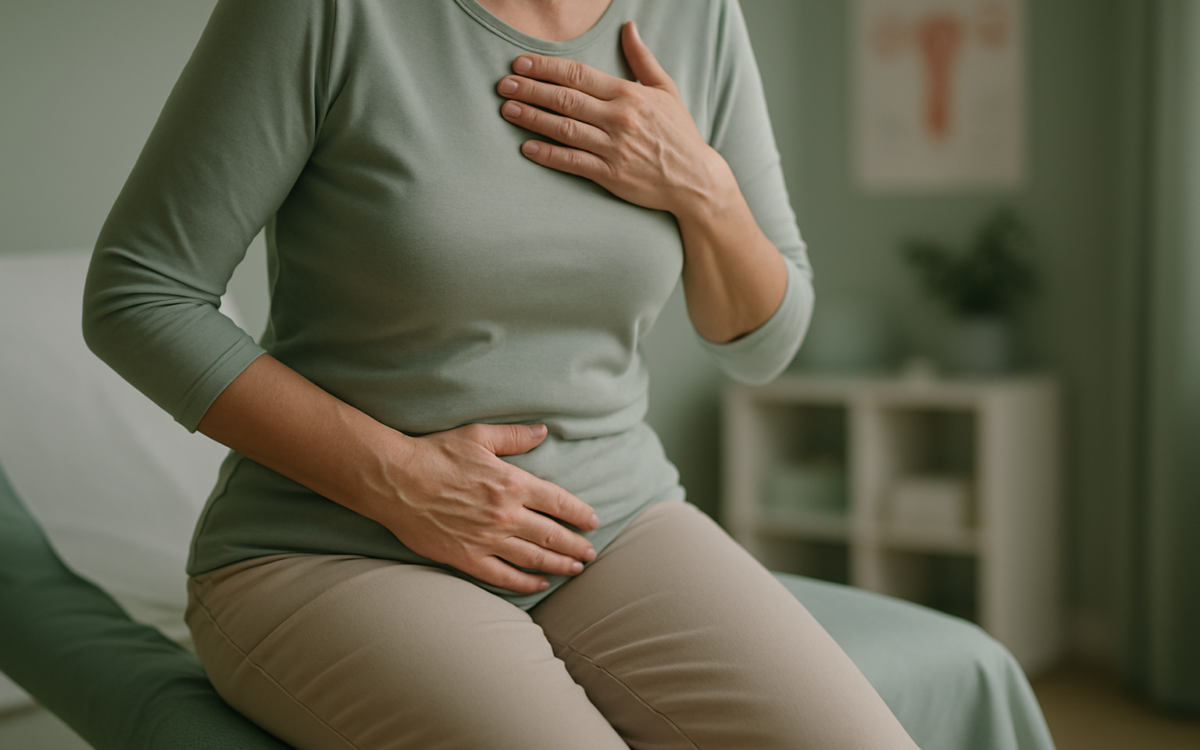
As women age, their bodies undergo many changes, especially during perimenopause and menopause. One major change is the decrease in estrogen levels. Estrogen is a crucial hormone that plays various roles in women’s health, and its decline can lead to a range of symptoms. Understanding these symptoms and finding effective coping strategies is key to maintaining a healthy and fulfilling life.
What is estrogen and why is it important?
Estrogen is a hormone produced primarily in the ovaries. It is vital for several bodily functions, including:
- Regulating the menstrual cycle
- Maintaining bone health
- Supporting heart health
- Contributing to mood stability
- Protecting skin elasticity
As women reach their late 30s and 40s, estrogen production gradually decreases, leading to the onset of various symptoms that can significantly affect quality of life.
Common symptoms of estrogen decrease
The symptoms associated with low estrogen levels can vary widely among women. Here are some of the most common:
1. Hot flashes and night sweats
One of the most recognized symptoms of declining estrogen is hot flashes. Many women experience sudden warmth, often accompanied by sweating and a flushed face. These can occur during the day or night, leading to disrupted sleep.
2. Mood swings and irritability
Hormonal changes can affect your mood. Fluctuating estrogen levels may lead to increased irritability, anxiety, or even depression in some women. It is important to notice these shifts, as they can impact daily life and relationships.
3. Sleep disturbances
Many women report difficulties sleeping during this transition phase. Hot flashes and night sweats can disrupt sleep patterns, but hormonal changes can also affect the ability to fall asleep or stay asleep. This can lead to feeling tired and irritable during the day.
4. Changes in libido
A decrease in estrogen can also result in reduced sexual desire for some women. Additionally, vaginal dryness and discomfort during intercourse may occur, which can further affect sexual health and intimacy.
Coping with estrogen decrease symptoms
Understanding the symptoms associated with decreased estrogen is the first step toward finding ways to cope with them. Here are some practical tips:
1. Lifestyle changes
Adopting a healthy lifestyle can significantly impact overall well-being. At a minimum, women should aim to:
- Eat a balanced diet rich in fruits, vegetables, whole grains, and lean protein
- Engage in regular physical activity
- Stay hydrated
- Limit alcohol and caffeine intake
2. Mind-body practices
Incorporating mind-body techniques can help manage symptoms. Practices like yoga, meditation, and deep breathing exercises can reduce stress and improve emotional well-being. They have also been shown to help alleviate hot flashes for some women.
3. Sleep hygiene
Improving sleep hygiene can help combat sleep disturbances:
- Establish a regular bedtime routine
- Keep the bedroom cool, dark, and quiet
- Limit screen time before bed
4. Consider professional help
If symptoms significantly affect daily life, it may be time to consult a healthcare professional. They can help determine the best approach to manage these symptoms, whether through hormone replacement therapy (HRT) or other treatment options.
When to see a doctor
If you are experiencing symptoms associated with decreased estrogen that interfere with your daily life, it is important to seek medical advice. Conditions such as severe mood swings, prolonged insomnia, or significant changes in sexual health warrant a conversation with your healthcare provider. Early intervention can make a considerable difference in managing symptoms and improving quality of life.
Conclusion
Navigating the changes that come with decreased estrogen levels can be challenging. However, by understanding the symptoms and implementing coping strategies, women can better manage this transition. Remember, you are not alone. Seeking support from healthcare professionals can make a positive impact, providing guidance and options that suit your unique needs. For additional information, reliable resources are available from the National Institutes of Health and the Mayo Clinic.
