
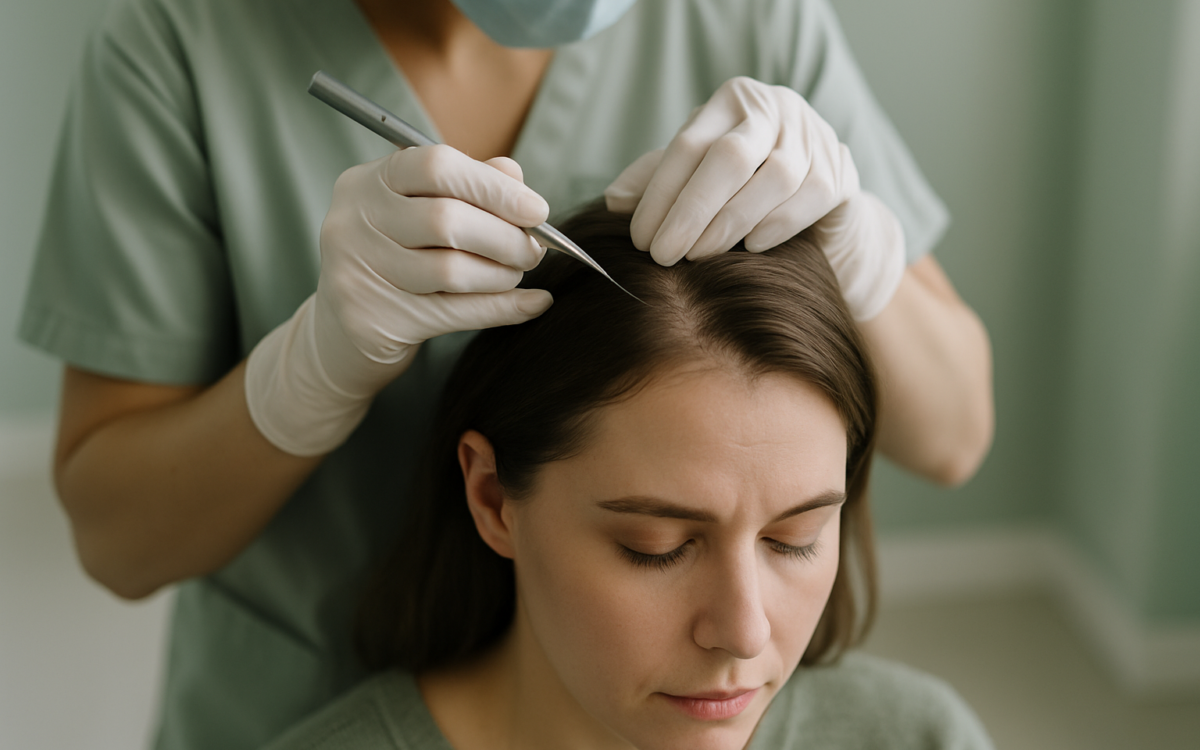
Hair loss is often seen as a male problem, but in reality, many women experience hair thinning and loss at some point in their lives. This can be due to hormonal changes, genetics, stress, or medical conditions. For those seeking solutions, female hair implants have become a viable and effective treatment option. In this article, you’ll learn what female hair implants are, the procedures involved, and what to expect during recovery.
What Are Female Hair Implants?
Female hair implants, commonly known as hair transplants, involve moving hair follicles from a donor area (often the back of the head) to areas where the hair is thinning or bald. This procedure is performed by a specialist and is designed to restore a natural-looking hairline and fullness to the scalp. Unlike wigs or hairpieces, hair implants provide a permanent solution, as the transplanted hair grows just like natural hair.
The Procedure: How It Works
The process of getting female hair implants typically involves a few key steps:
- Consultation: At the initial visit, a qualified specialist will assess the patient’s scalp, discuss expectations, and explain the procedure in detail.
- Preparation: Patients may be given medications to minimize discomfort. The scalp will also be prepared for the transplant process.
- Harvesting Follicles: Follicles can be harvested using two primary techniques: Follicular Unit Extraction (FUE) and Follicular Unit Transplantation (FUT). FUE involves extracting individual hair follicles, while FUT involves removing a strip of scalp tissue where hair follicles are taken.
- Implanting Hair: The harvested follicles are then strategically implanted into the thinning areas of the scalp. This step requires skill to ensure a natural hairstyle and hairline.
These procedures are typically performed under local anesthesia, and most patients can return home the same day.
Benefits of Hair Implants for Women
There are several advantages to choosing hair implants as a solution for hair loss:
- Natural Appearance: Since the hair follicles are your own, the results look very natural and blend well with existing hair.
- Long-Lasting Results: Once the transplanted hair grows in, it is permanent and can be treated just like natural hair.
- Boost in Confidence: Many women report increased self-esteem and satisfaction after hair restoration, leading to a better quality of life.
Moreover, hair implants can often be performed in conjunction with other treatments for hair loss, such as medications or low-level laser therapy.
Recovery and Aftercare
Recovery after hair implant surgery can vary based on the individual and the technique used. Here are some typical steps and considerations for care after the procedure:
- Initial Healing: Patients might experience some redness and swelling in the treated areas, typically subsiding within a few days.
- Hair Growth Timeline: Transplanted hair usually sheds after a few weeks but will begin to regrow within three to four months. Full results can be seen in about a year.
- Follow-Up Appointments: Regular check-ups with the surgeon are critical to ensure the hair is growing as expected and to monitor scalp health.
It’s important to avoid exposing the scalp to direct sunlight for prolonged periods and to refrain from strenuous activities for at least two weeks post-surgery.
International Perspectives on Hair Implants
Hair transplant clinics have sprung up worldwide, with many offering competitive pricing and state-of-the-art techniques. Countries like Turkey have become popular destinations for hair restoration due to their advanced technology and skilled professionals. Sites like acibademinternational.com provide information about international medical treatment options, helping women explore different avenues for hair restoration.
When to See a Doctor
If you are experiencing significant hair loss, it’s wise to consult a specialist. A medical professional can help determine the underlying cause and recommend appropriate treatment options, including whether hair implants might be right for you. In some cases, hair loss could indicate larger health issues that require attention, such as hormonal imbalances or nutritional deficiencies.
Conclusion
Female hair implants offer a promising solution for women experiencing hair loss. With a range of benefits including natural results and long-lasting effects, it’s a viable choice for many. As with any medical procedure, thorough research and consultations with experienced professionals are crucial to understanding the options available and making informed decisions.
