
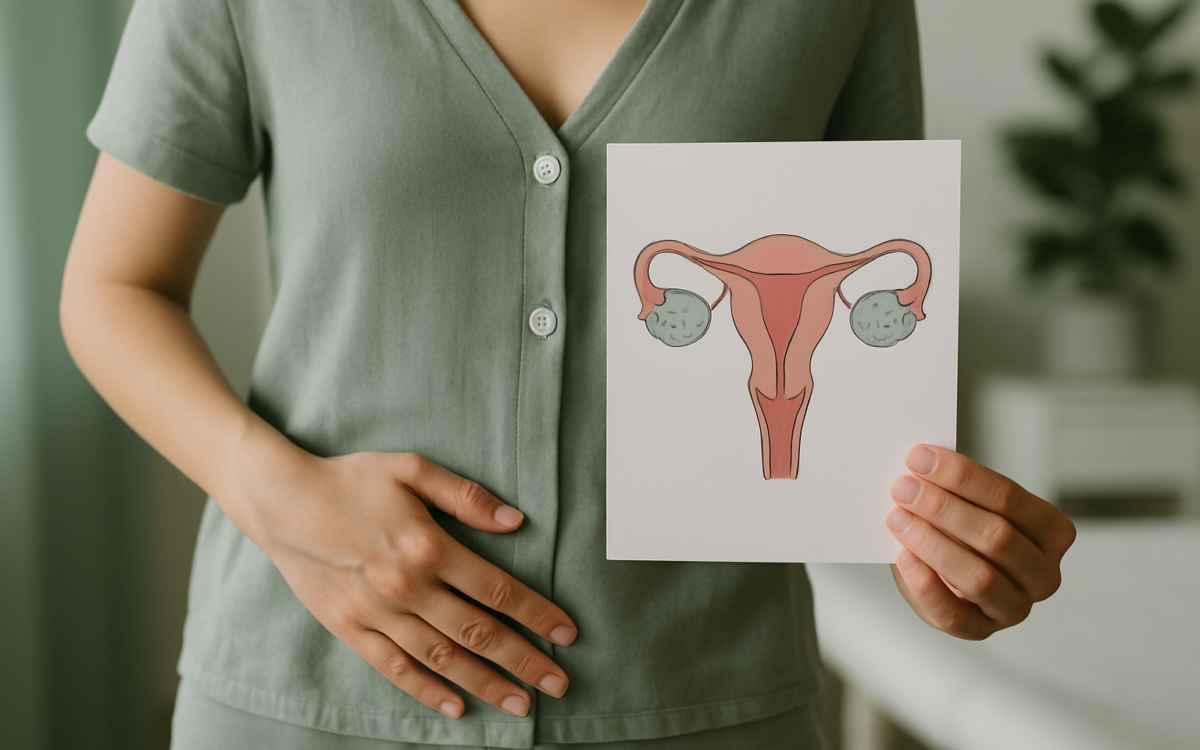
Polycystic ovary syndrome (PCOS) is a complex hormonal disorder that affects many women worldwide. Often starting in the teenage years or early adulthood, PCOS can have a significant impact on health and well-being. Despite its prevalence, this condition is often misunderstood. In this article, we will explore the symptoms, causes, treatment options, and lifestyle changes associated with female polycystic ovary syndrome.
What is Polycystic Ovary Syndrome?
Polycystic ovary syndrome is a condition characterized by hormonal imbalance and metabolism problems that can affect a woman’s reproductive health. Women with PCOS may have enlarged ovaries containing numerous small cysts. The condition can interfere with the normal menstrual cycle, leading to missed periods or heavy bleeding.
Key Symptoms of PCOS
The symptoms of PCOS can vary widely among women. Some common signs include:
- Irregular Menstrual Cycles: Many women experience infrequent or prolonged menstrual cycles.
- Excess Androgen Levels: This can result in symptoms such as acne, thinning hair, and increased body hair (hirsutism).
- Polycystic Ovaries: Ultrasounds may show enlarged ovaries with small cysts.
- Weight Gain: Many women with PCOS are overweight or obese, though not all are.
- Skin Changes: Dark patches on the skin or skin tags may occur.
Some women may only experience a few of these symptoms, which can make diagnosis challenging.
Causes of Polycystic Ovary Syndrome
The exact cause of PCOS is still not fully understood. However, several factors are believed to contribute to the development of the condition:
- Genetics: PCOS may run in families, indicating a genetic link.
- Hormonal Imbalances: Women with PCOS often have higher levels of male hormones, called androgens.
- Insulin Resistance: Many women with PCOS have insulin resistance, leading to higher insulin levels, which may contribute to increased androgen levels.
Understanding these underlying factors is crucial in managing and treating the condition.
Diagnosis of PCOS
Diagnosing PCOS typically involves a thorough medical history, physical examination, and lab tests. The criteria used for diagnosis often include:
- Irregular or absent menstrual periods.
- Excess androgen levels, either through blood tests or physical signs.
- Imaging tests, like ultrasounds, that reveal enlarged ovaries with cysts.
It is important to consult a healthcare provider if you suspect you may have PCOS. Early diagnosis can lead to better management of symptoms.
Treatment Options for PCOS
While there is no cure for PCOS, there are several treatment options available to help manage symptoms:
- Lifestyle Changes: Weight loss can significantly improve symptoms, especially in women with excess weight. A healthy diet and regular exercise can help regulate menstrual cycles and improve insulin sensitivity.
- Medications: Doctors may prescribe birth control pills to regulate menstrual cycles and reduce androgen levels. Metformin, a medication often used for diabetes, can help improve insulin sensitivity and restore ovulation.
- Fertility Treatments: For those looking to conceive, medications like Clomiphene citrate may be recommended to stimulate ovulation.
Options vary based on individual needs, and treatment plans should be tailored to each woman. Working closely with a healthcare provider is essential.
Lifestyle Changes to Consider
Implementing lifestyle changes can be an essential part of managing PCOS. Here are some changes worth considering:
- Healthy Eating: Focus on a balanced diet rich in whole foods, fruits, vegetables, lean proteins, and whole grains. Reducing processed foods and sugars can help with insulin management.
- Regular Exercise: Aim for at least 150 minutes of moderate exercise per week. Activities like walking, swimming, or cycling can help with weight management and improve hormone levels.
- Stress Management: High stress levels can exacerbate symptoms. Consider activities such as yoga, meditation, or deep-breathing exercises to help reduce stress.
Making these changes can be beneficial for overall health and may help alleviate some of the symptoms of PCOS.
When to See a Doctor
If you experience symptoms such as irregular periods, excessive hair growth, or difficulty with weight management, it’s important to consult a healthcare provider. Early diagnosis and treatment can help minimize the effects of PCOS on your health.
Conclusion
Polycystic ovary syndrome is a common hormonal disorder that can impact many areas of a woman’s life. By understanding the symptoms, causes, and treatment options, women can take proactive steps toward managing their health. Always work with a healthcare provider to create a tailored plan that meets your individual needs.
