
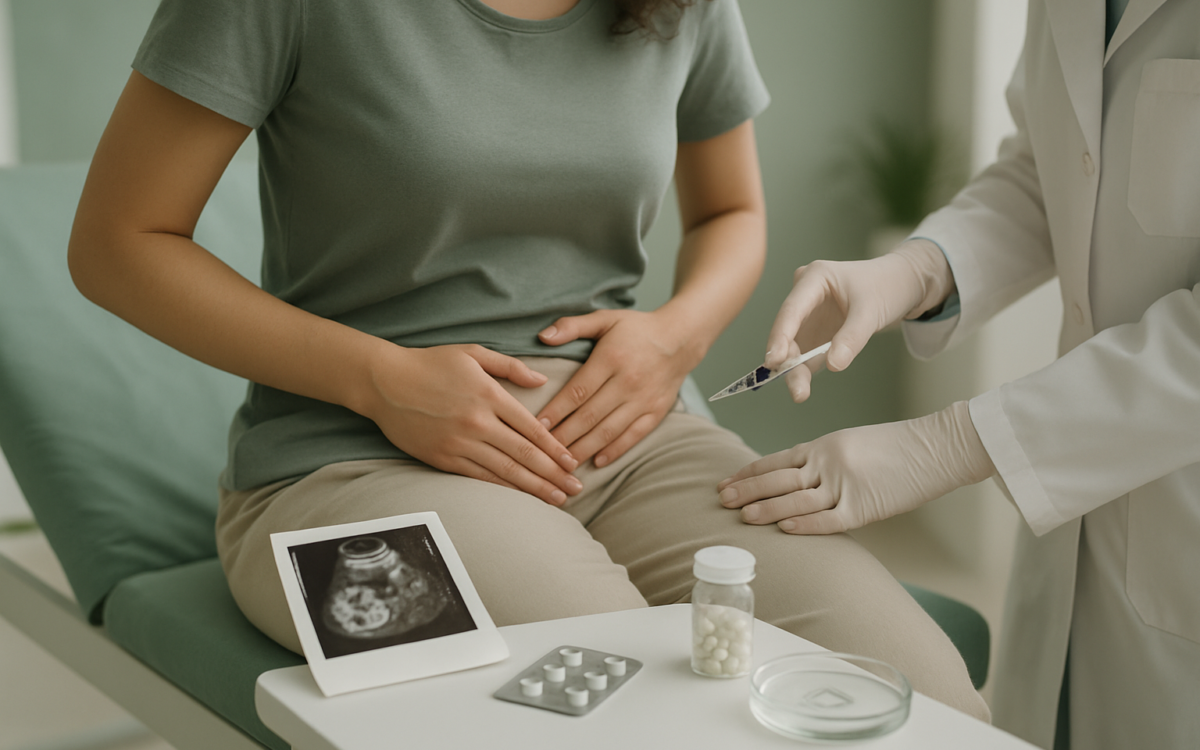
Polycystic Ovary Syndrome (PCOS) is a common hormonal disorder that affects many women of reproductive age. One of the most challenging aspects of PCOS can be its impact on fertility. Women with this condition often experience irregular menstrual cycles, which can make it difficult to conceive. Fortunately, there are several effective fertility treatment options available to help manage the symptoms of PCOS and improve chances of pregnancy.
What is PCOS?
Polycystic Ovary Syndrome is characterized by a hormonal imbalance that can lead to various symptoms, including:
- Irregular periods or absent menstruation
- Excess hair growth (hirsutism) in areas like the face and back
- Weight gain
- Acne and oily skin
- Difficulty in getting pregnant
Women with PCOS may have ovaries that develop numerous small cysts, which are fluid-filled sacs. These cysts are often a result of the ovaries not releasing eggs regularly. Understanding the symptoms and how they affect fertility is crucial for women facing challenges in conceiving.
Causes of infertility in PCOS
Infertility in women with PCOS is primarily linked to hormonal imbalances that disrupt the ovulation process. Here are a few key contributors:
- Insulin resistance: Many women with PCOS have insulin resistance, which means their bodies do not use insulin effectively. This can cause an increase in insulin levels that can affect hormone function, leading to irregular ovulation.
- Elevated androgen levels: PCOS is associated with higher levels of androgens (male hormones), which can interfere with the normal release of eggs from the ovaries.
- Irregular ovulation: The irregular release of eggs can make it challenging to conceive.
With these underlying causes, many women with PCOS struggle with infertility, but various treatments exist to help overcome these challenges.
First-line fertility treatments for PCOS
Many women with PCOS can conceive with the following first-line treatments:
1. Lifestyle modifications
Adopting a healthy lifestyle can significantly improve fertility in women with PCOS. Weight loss, even as small as 5–10% of body weight, can help restore normal ovulation. Incorporating more fruits, vegetables, lean proteins, and whole grains while reducing processed foods can positively impact both weight and hormone levels.
2. Medications
Several medications are effective in treating infertility in women with PCOS:
- Clomiphene citrate (Clomid): This oral medication helps stimulate ovulation and is often the first recommended treatment for women trying to conceive.
- Letrozole: Another oral medication that can promote ovulation, particularly helpful for those who do not respond to Clomid.
- Metformin: Often used to manage insulin resistance, Metformin can help restore normal menstrual cycles and support ovulation.
These medications work by addressing the hormonal imbalances caused by PCOS, promoting regular ovulation, and improving chances of pregnancy.
Advanced fertility treatments
If first-line treatments are unsuccessful, women with PCOS may consider advanced fertility treatments. Some options include:
1. Assisted reproductive technology (ART)
For women who do not conceive with medications alone, ART methods such as intrauterine insemination (IUI) or in vitro fertilization (IVF) can be effective. These techniques involve more direct intervention and can bypass some of the causes of infertility related to PCOS.
2. Ovarian drilling
This surgical procedure is sometimes used for women who do not respond to other treatments. It involves making small punctures in the ovaries to decrease androgen levels and encourage ovulation.
Women looking to explore international options for fertility treatment may consider resources such as Acibadem International, providing comprehensive care and specialized services in various countries.
Emotional support and counseling
Infertility can take an emotional toll on individuals and couples. It’s essential to seek emotional support during this time. Therapy or support groups can help manage stress and anxiety related to infertility treatments. Connecting with others who share similar experiences can provide comfort and understanding.
When to see a doctor
If you have been trying to conceive for over a year without success, or if you experience symptoms of PCOS, such as irregular periods or excessive hair growth, it is crucial to consult with your doctor. A healthcare professional can evaluate your symptoms, perform necessary tests, and recommend the most effective treatment options tailored to your needs.
In summary, PCOS can complicate fertility, but many treatment options are available. From lifestyle changes to medications and advanced reproductive technologies, it’s possible to find a path to parenthood. Always remember that you don’t have to navigate this journey alone; seeking medical advice and support can be invaluable.
