
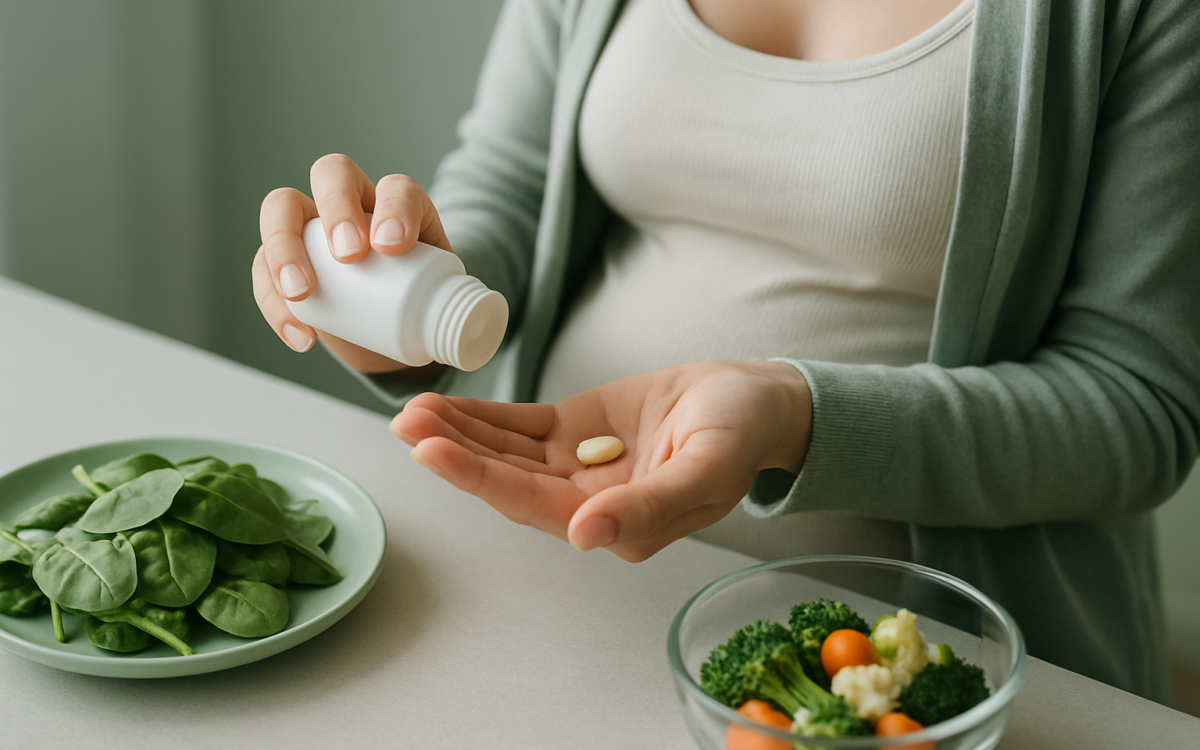
Pregnancy is an exciting time, filled with anticipation and countless decisions about your health and the health of your growing baby. One important aspect that often comes to the forefront during this time is nutrition, particularly folate. Understanding how much folate you need while pregnant can help ensure a healthy pregnancy and support your baby’s development.
What is folate?
Folate, also known as vitamin B9, is a water-soluble vitamin that plays a crucial role in DNA synthesis, cell division, and the overall growth of the body. It’s particularly important during pregnancy, as it supports the rapid growth and development of the fetus, especially in the early stages.
Why is folate important during pregnancy?
The significance of folate during pregnancy cannot be overstated. It helps prevent major birth defects of the baby’s brain and spine, known as neural tube defects (NTDs). These conditions occur during the first few weeks of pregnancy, often before a woman even knows she is pregnant. According to the CDC, taking adequate folate before conception and during early pregnancy can reduce the risk of these defects by up to 70%.
How much folate do you need during pregnancy?
The recommended dietary allowance (RDA) for folate changes during pregnancy. The National Institutes of Health suggests that pregnant women should aim for at least 600 micrograms (mcg) of dietary folate equivalents (DFE) each day. This increase from the 400 mcg recommended for non-pregnant women is due to the heightened need for folate during fetal development.
Understanding dietary folate equivalents
Dietary folate equivalents account for the different forms of folate you may consume, including natural food folate and synthetic folic acid found in supplements and fortified foods. For example:
- 1 mcg of food folate = 1 mcg DFE
- 1 mcg of synthetic folic acid (when taken on an empty stomach) = 1.7 mcg DFE
- 1 mcg of synthetic folic acid (when taken with food) = 1.4 mcg DFE
This means that to meet the 600 mcg requirement, you may need to eat a variety of folate-rich foods and consider taking a prenatal vitamin that contains folic acid.
Food sources of folate
Incorporating folate-rich foods into your diet is one of the best ways to ensure you’re getting enough of this vital nutrient. Here are some excellent sources of folate:
- Dark leafy greens (spinach, kale, collard greens)
- Legumes (lentils, chickpeas, black beans)
- Asparagus
- Broccoli
- Citrus fruits (oranges, lemons)
- Fortified grains (cereals, bread)
- Nuts and seeds
While eating a healthy diet is essential, consider consulting with your healthcare provider about taking a prenatal vitamin that includes folic acid to help meet your needs.
Potential side effects of too much folate
While folate is crucial for a healthy pregnancy, it’s also important not to exceed the recommended amount. High levels of folate—specifically from supplements—can mask symptoms of vitamin B12 deficiency, which could lead to neurological complications if left untreated. Generally, you should cap your intake at 1,000 mcg of folic acid from supplements unless directed otherwise by your healthcare provider.
When to start taking folate
The best time to boost your folate intake is even before you conceive. Many healthcare providers recommend women trying to get pregnant start taking prenatal vitamins that contain folic acid at least one month before conception. This ensures that your body has sufficient folate to support the early stages of fetal development. Maintaining this supplementation throughout pregnancy is also essential.
When to see a doctor
If you’re unsure about how much folate you should be taking or if you have concerns about your dietary intake, it’s always a good idea to consult your healthcare provider. They can help assess your needs based on your diet, lifestyle, and any unique health considerations.
Additionally, if you’re trying to conceive and have a history of neural tube defects in your family, your doctor may recommend higher doses of folic acid.
In conclusion, folate is a critical nutrient that supports a healthy pregnancy and fetal development. Ensuring you get enough folate through a balanced diet combined with prenatal vitamins can go a long way towards ensuring the well-being of both you and your baby. Always consult your healthcare provider to tailor your folate intake to your specific health needs.
