
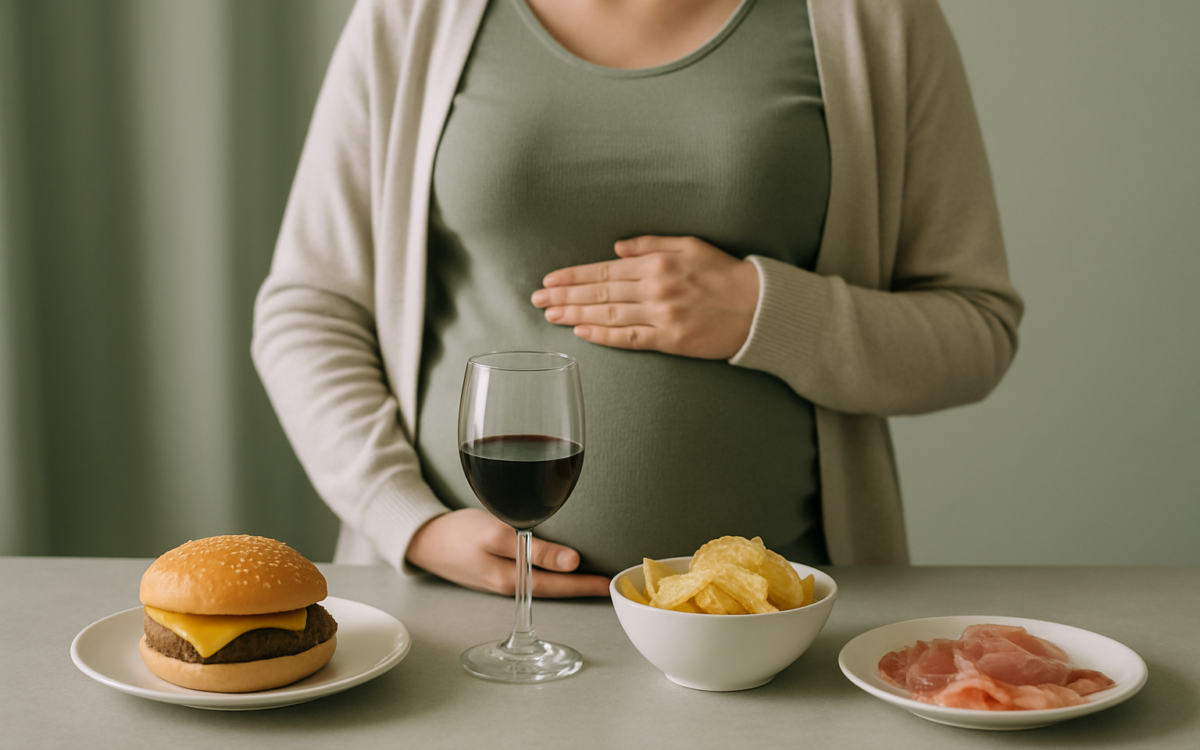
Pregnancy is a beautiful journey filled with excitement and anticipation. However, it also requires careful consideration of what to put on your plate. The foods you eat have a direct impact on your health and the development of your baby. With so much information available, it can be overwhelming to know which foods to avoid. This guide aims to clarify the major foods and food categories you should steer clear of during this special time, ensuring both you and your baby remain healthy.
Raw or Undercooked Seafood
Seafood can be a great source of protein and omega-3 fatty acids, but certain types can pose serious risks during pregnancy. Raw or undercooked seafood, including sushi and oysters, can contain harmful bacteria and parasites that lead to foodborne illnesses. These infections can have severe consequences for both the mother and the fetus. The CDC recommends that all seafood is cooked to a safe internal temperature to eliminate these risks.
Deli Meats and Unpasteurized Dairy
Deli meats, hot dogs, and some cheeses can harbor a bacterium called Listeria, which causes listeriosis. This infection can lead to pregnancy complications such as miscarriage, premature labor, or severe illness in newborns. It’s best to consume only fully cooked meats and pasteurized dairy products while pregnant. Make sure to check labels carefully and consult resources like the Mayo Clinic for safe food choices.
High-Mercury Fish
While fish is generally healthy, certain types exceed recommended mercury levels, which can affect your baby’s developing nervous system. Fish such as shark, swordfish, king mackerel, and tilefish should be avoided during pregnancy. Instead, opt for low-mercury options like salmon, shrimp, and catfish. The National Heart, Lung, and Blood Institute offers guidelines on safe fish consumption during pregnancy.
Raw Eggs and Undercooked Poultry
Raw eggs can be a source of salmonella, a type of bacteria that can lead to food poisoning. This means you should avoid foods containing raw eggs, such as homemade mayonnaise, cookies, or salads that use uncooked eggs. Additionally, undercooked poultry can carry harmful bacteria as well. Make sure to cook poultry thoroughly to a safe internal temperature to protect your health.
Caffeine and Alcohol
Both caffeine and alcohol need to be approached with caution during pregnancy. High amounts of caffeine can increase the risk of miscarriage and low birth weight. While some studies suggest that small amounts of caffeine may be safe, it’s best to limit intake and consult your doctor. Alcohol is highly discouraged, as there is no known safe level during pregnancy. Exposure can lead to fetal alcohol spectrum disorders (FASDs), which can cause developmental issues. Understanding these risks is crucial for your baby’s wellbeing.
Processed and Sugary Foods
While processed foods might be convenient, they often contain high levels of sodium, unhealthy fats, and sugars. Diets high in processed foods can lead to excess weight gain and other health problems. Instead of soft drinks, candies, and packaged snacks, focus on whole foods like fruits, vegetables, lean proteins, and whole grains. These will provide the nutrients you need for a healthy pregnancy.
When to See a Doctor
If you have specific dietary concerns or notice unusual reactions to certain foods, it’s essential to consult with your healthcare provider. They can offer personalized advice based on your individual circumstances and dietary needs.
Maintaining a healthy pregnancy involves thoughtful food choices. By being aware of foods to avoid, you can foster a safe environment for both you and your burgeoning baby. Always remember to discuss any dietary concerns with your doctor to ensure you receive tailored advice that supports your unique pregnancy journey.
