
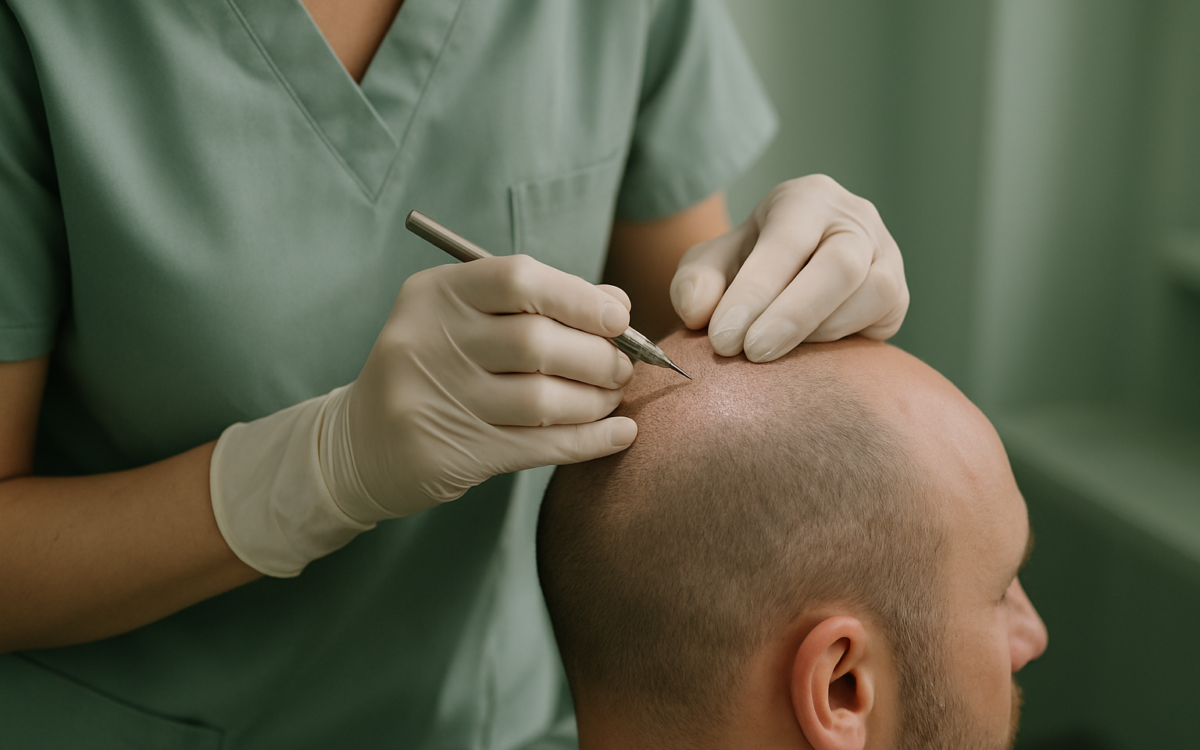
Hair loss can be a source of frustration and concern for many people. Whether it’s due to genetics, medical conditions, or stress, the effects can impact self-esteem. Fortunately, advances in techniques such as Follicular Unit Extraction (FUE) hair replacement provide promising solutions to those seeking to restore their hair.
What is FUE Hair Replacement?
Follicular Unit Extraction (FUE) is a modern hair transplantation technique that involves moving individual hair follicles from a donor site to an area with thinning or no hair. This approach differs from older methods, like Follicular Unit Transplantation (FUT), which involves removing a strip of scalp.
The FUE method is less invasive, requiring only small circular incisions to extract healthy hair follicles. This means less scarring and a quicker recovery time. The procedure has gained popularity for its natural results and minimal disruption to daily life.
How Does the Procedure Work?
The FUE hair replacement process typically unfolds in several steps:
- Consultation: Before the procedure, a consultation with a specialist is essential. During this sessions, the doctor will assess your hair loss pattern and discuss realistic outcomes.
- Preparation: On the day of the procedure, the donor area—usually located on the back or sides of the head—is shaved to facilitate easier extraction.
- Extraction: Using a specialized tool, individual follicles are extracted. The surgeon carefully locates and removes healthy grafts to ensure the best results.
- Implantation: After extraction, the follicles are implanted into the thinning or balding areas. The surgeon creates tiny incisions to place the grafts, ensuring they follow the natural hair growth pattern.
- Recovery: Post-procedure, patients can expect some redness and swelling, but these usually subside within a few days. Most individuals return to normal activities within a week.
Benefits of FUE Hair Replacement
FUE hair replacement offers several advantages compared to traditional methods:
- Minimally Invasive: The small incisions used in FUE result in less trauma to the scalp, leading to faster healing and less discomfort.
- Natural Appearance: Since hair follicles are extracted and placed individually, the results can blend seamlessly with existing hair.
- Less Scarring: The tiny scars left from FUE are less noticeable than the linear scar associated with FUT, making it easier to wear shorter hairstyles.
- Quick Recovery: Most patients can resume their daily routines and return to work in a relatively short timeframe.
Am I a Good Candidate for FUE?
Not everyone is an ideal candidate for FUE hair replacement. Several factors should be considered:
- Type of Hair Loss: Differing types of hair loss respond differently to treatment. Individuals experiencing progressive hair loss may benefit from proactive treatment.
- Age: While there is no strict age limit, younger candidates should ideally have a stable pattern of hair loss.
- Health Conditions: Certain medical conditions or medications may affect eligibility. A thorough consultation with a healthcare professional will help determine candidacy.
Risks and Considerations
Although FUE is generally safe, potential risks exist. These may include:
- Infection: As with any surgical procedure, there is a risk of infection. Following post-operative care instructions can help mitigate this risk.
- Scarring: Although scarring is minimal, some individuals may notice visible signs of scarring.
- Uneven Growth: In some cases, transplanted hair may not grow in uniformly.
- Shock Loss: This is a temporary loss of pre-existing hair that can happen after the procedure. It usually recovers over time.
For an in-depth understanding of possible risks associated with hair transplant procedures, consult resources from NIH and Mayo Clinic.
Aftercare and Maintenance
After undergoing FUE hair replacement, proper aftercare is essential for achieving the best results. Consider the following tips:
- Avoid Strenuous Activity: Refrain from heavy exercise or activities that cause sweating for at least a week post-surgery.
- Follow Hygiene Guidelines: Your doctor will provide specific instructions on how to care for your scalp and when to wash it.
- Medications: Some doctors may prescribe medications to prevent infection or assist in recovery. Always follow the prescribed plan.
Monitoring your progress and any changes in your hair growth with follow-up appointments can also be beneficial.
When to See a Doctor
If you experience persistent pain, abnormal swelling, or signs of infection (such as redness or discharge) after your FUE hair replacement procedure, it’s important to consult your healthcare provider promptly.
Conclusion
FUE hair replacement offers a viable option for those experiencing hair loss. With its minimally invasive method, quick recovery, and natural results, it has become a popular choice among individuals seeking effective hair restoration. As with any medical procedure, it’s essential to consult with qualified professionals to ensure that you’re making informed decisions tailored to your unique situation.
