
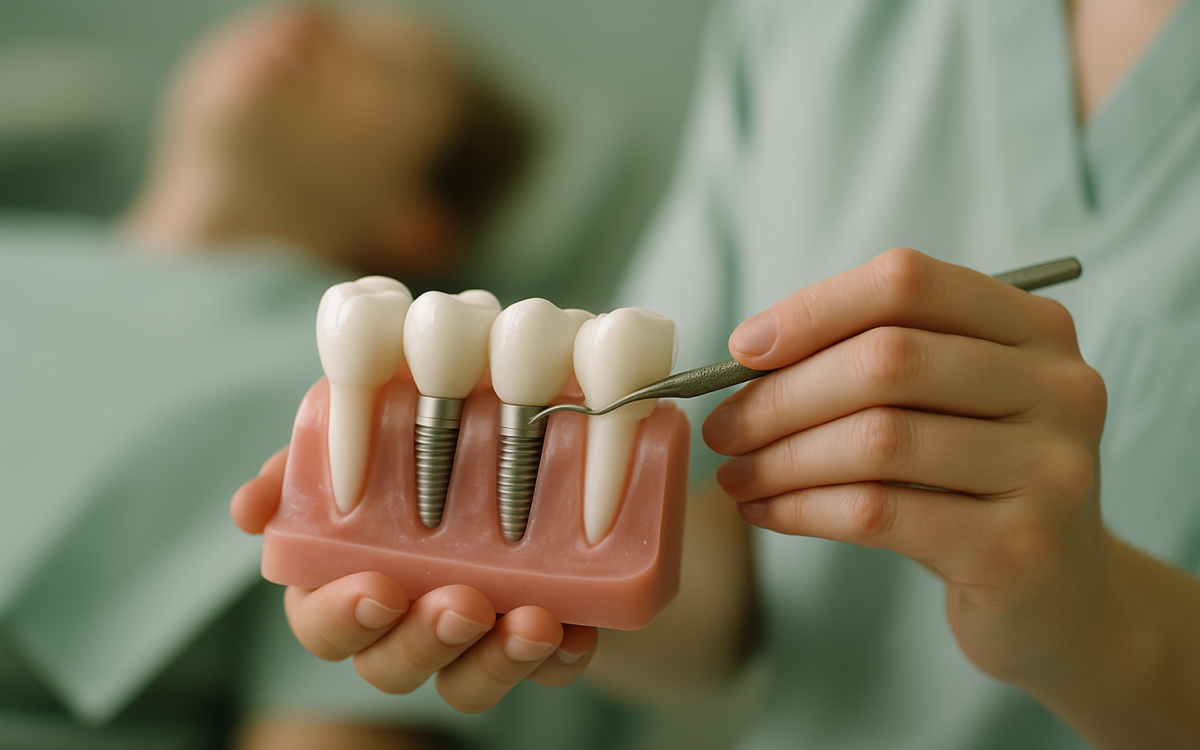
For many people facing tooth loss, a full dental implant can be a life-changing solution. Imagine regaining the ability to enjoy your favorite foods, smile confidently, and enhance your oral health without the discomfort of removable dentures. This guide delves into what full dental implants entail, their benefits, the procedure, aftercare, and more.
What Are Full Dental Implants?
Full dental implants are artificial tooth roots made from titanium that replace missing teeth. Unlike dentures that sit on the gums, implants are surgically inserted into the jawbone, creating a strong foundation for replacement teeth. Full implants can support a full arch of teeth, making them an excellent choice for individuals who have lost most or all of their upper or lower teeth.
Benefits of Full Dental Implants
Choosing full dental implants offers a range of advantages over traditional dentures:
- Improved Functionality: Implants allow for better chewing and eating, enabling you to enjoy a wider variety of foods.
- Enhanced Comfort: Unlike removable dentures, implants feel more like natural teeth and don’t shift around in your mouth.
- Bone Health: Implants stimulate the jawbone, reducing the risk of bone loss that often occurs with missing teeth.
- Long-lasting Solution: With proper care, implants can last a lifetime, making them a cost-effective option in the long run.
The Full Dental Implant Procedure
The process of getting full dental implants typically involves several key steps that require thorough planning and preparation:
1. Initial Consultation
Your journey begins with a consultation where your dentist or oral surgeon will evaluate your oral health. They may also take X-rays and 3D images of your jaw to assess bone density and structure. This step helps in creating a personalized treatment plan.
2. Implant Placement
During the first surgical procedure, the implants are placed into your jawbone. This is done under local anesthesia or sedation to minimize discomfort. Once the implants are securely in place, a healing period of several months may be required to allow the implants to fuse with the bone in a process known as osseointegration.
3. Abutment Placement
After the implants have integrated with the bone, an abutment—a small connector—will be placed on top of each implant. This step usually requires another minor surgery, and it also involves a healing period.
4. Final Restoration
Finally, custom-made prosthetic teeth (or a full arch) will be attached to the abutments. Your dentist will ensure that these teeth fit well, match your natural teeth, and look aesthetically pleasing.
Care and Maintenance of Full Dental Implants
After receiving your full dental implants, it’s crucial to maintain them properly. Here are some tips:
- Oral Hygiene: Brush and floss your implants just like you would your natural teeth. Use a non-abrasive toothpaste and consider an antibacterial mouthwash.
- Regular Dental Visits: Schedule check-ups with your dentist at least twice a year for professional cleanings and evaluations.
- Avoid Hard Foods: Be cautious with hard foods to avoid damaging the prosthetic teeth.
- Quit Smoking: Smoking can hinder healing and increase the risk of implant failure, so it’s advisable to quit for the health of your implants.
Potential Risks and Complications
While full dental implants are highly successful, they are not without risks. Some potential complications include:
- Infection: As with any surgery, infections can occur at the implant site.
- Nerve Damage: In rare cases, implants can affect nerves in the jaw, leading to pain or altered sensation.
- Implant Failure: Factors such as tobacco use, inadequate bone density, or underlying health conditions can lead to implant failure.
If you experience unusual pain, swelling, or signs of infection, you should consult your healthcare provider promptly.
When to See a Doctor
It’s important to monitor the health of your dental implants and oral health overall. Consult your dentist if you experience:
- Persistent pain or discomfort
- Swelling around the implant site
- Difficulty chewing or biting
- Bleeding or pus around the implant
Conclusion
Full dental implants represent a powerful solution for restoring oral function and aesthetics for those dealing with tooth loss. By understanding the benefits, procedure, and care required, you can make an informed decision about whether this treatment is right for you. Always consult with your dental professional to discuss your options and create a treatment plan tailored to your needs. With proper care, full dental implants can significantly enhance your quality of life.
