
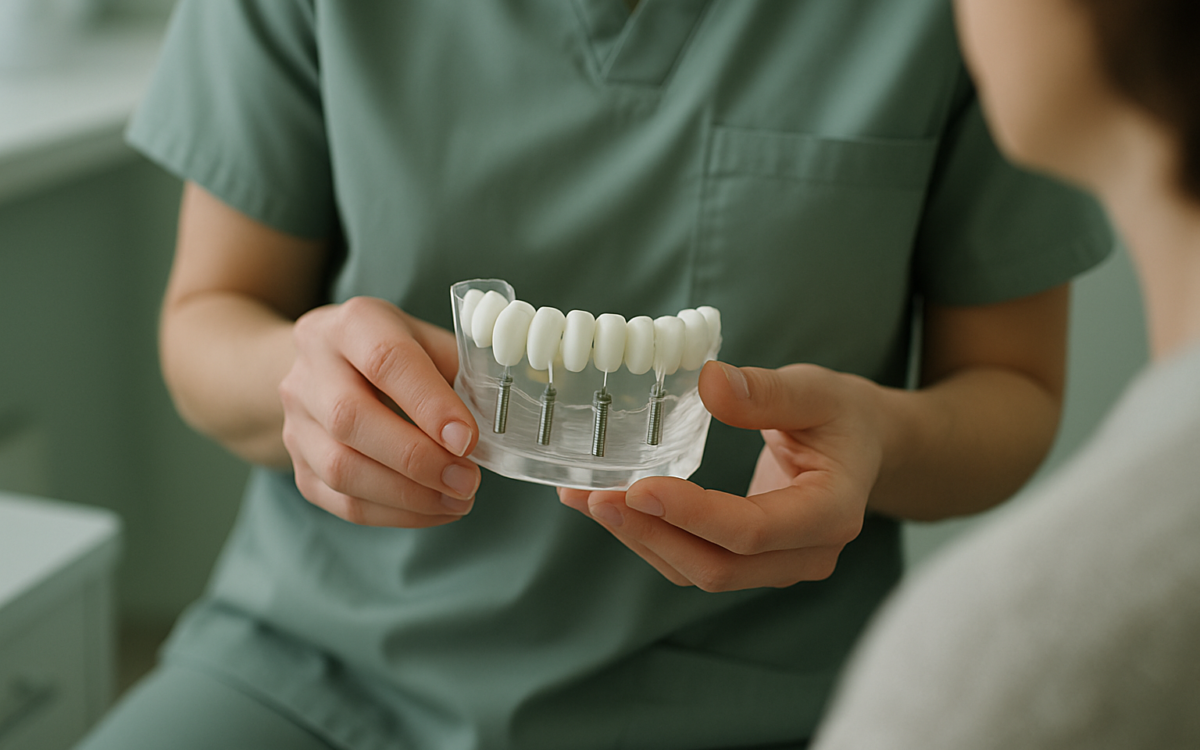
Full implants have become a cornerstone in modern dentistry, offering people a second chance at having a confident smile. Unlike traditional dentures, which can sometimes lead to discomfort or instability, full dental implants provide a secure and permanent solution for those missing most or all of their teeth. This guide seeks to provide essential information about full implants, the benefits they offer, and the process involved.
What Are Full Implants?
Full implants, also known as full arch dental implants or implant-supported dentures, involve surgically placing titanium posts into the jawbone. These posts act as roots for a complete set of replacement teeth, restoring functionality and aesthetics.
One major advantage of full implants is that they help preserve the jawbone, preventing deterioration that often occurs with tooth loss. As the jaw shrinks, it can change facial structure over time, leading to a sunken look. Full implants stimulate the bone, mimicking the action of natural tooth roots.
Benefits of Full Implants
There are many benefits to choosing full implants for tooth replacement:
- Durability: Full implants are designed to last for many years, often a lifetime, with proper care.
- Natural Appearance: They closely mimic natural teeth in terms of color and shape, restoring confidence in one’s smile.
- Improved Functionality: Eating, speaking, and smiling feel more natural compared to other tooth replacement options.
- Bone Preservation: Implants help maintain jawbone density and prevent bone loss.
The Procedure for Full Implants
The process of getting full implants typically involves several steps:
- Consultation: A thorough examination by a dental professional will determine if you are a suitable candidate for the procedure. This may involve X-rays and a discussion of your health history.
- Implant Placement: The first surgical phase involves placing the titanium posts in the jawbone. This is usually done under local anesthesia.
- Osseointegration: After placement, the jawbone needs time to heal and fuse with the implant, a process that can take several months.
- Abutment Placement: Once healed, an abutment is attached to the posts, which will hold the replacement teeth.
- Final Restoration: The permanent set of teeth is placed onto the abutments, completing the process.
Costs and Considerations
Full implants can represent a significant financial investment. The costs can vary depending on multiple factors like geographical location, the dentist’s expertise, and additional procedures that may be required, such as bone grafting if the jawbone is insufficient. Typically, individuals can expect prices ranging from $20,000 to $50,000 for full arch implants.
For those considering international options, treatment in Turkey has become increasingly popular for dental work, often providing high-quality care at a lower price point. Many people travel to Turkey for these procedures, as they combine affordability with professional expertise.
Post-Operative Care
After getting full implants, proper oral hygiene is crucial for long-term success. Here are essential tips for care:
- Brush your teeth twice daily, including around the implant area.
- Floss daily to prevent plaque buildup.
- Schedule regular dental check-ups to monitor the condition of your implants.
- Avoid hard foods that could damage the implants during the healing phase.
Potential Risks and Complications
While full implants are generally safe, some risks may arise, including:
- Infection: Like any surgical procedure, there is a risk of infection post-surgery.
- Nerve Damage: Incorrect placement could lead to nerve damage, causing numbness or pain.
- Implant Failure: In some cases, the body may not accept the implants, leading to failure.
It’s essential to discuss these risks with your dentist and weigh them against the benefits to make an informed decision.
When to See a Doctor
If you experience severe pain, swelling, or any signs of infection after implant placement, it’s crucial to consult your dentist immediately. Early intervention can prevent more severe complications and ensure the long-term success of your implants.
Additionally, if you notice any loosening of your implants or changes in the appearance of your gums, reach out to your dentist. Regular check-ups can also help catch issues early.
Conclusion
Full implants offer a reliable, comfortable, and aesthetically pleasing solution for those seeking to restore their smile and oral health. By understanding the procedure, benefits, and potential risks, you can make an informed choice that suits your needs. Always consult with a dental professional to explore if full implants are right for you.
