
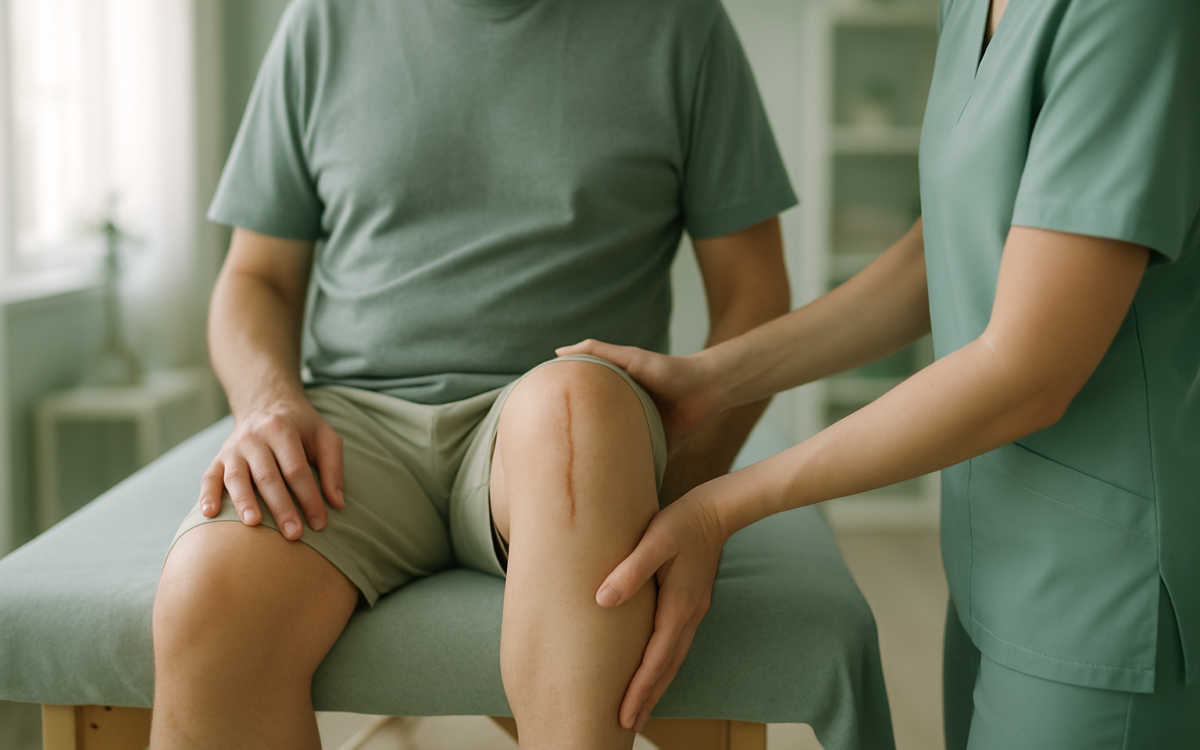
Full knee replacement surgery can be a life-changing procedure for individuals suffering from severe knee pain or disability. While the surgery itself is a significant step toward improved mobility, understanding the recovery process is just as important. Here, we explore what you can expect during recovery, including timelines, stages, and tips for a successful rehabilitation.
What to Expect Immediately After Surgery
The first phase of recovery starts in the hospital. After undergoing full knee replacement surgery, you can expect to stay in the hospital for 1 to 3 days, depending on your individual situation. In this initial period, the primary goals are to manage pain, prevent complications, and encourage mobility.
- Pain Management: Your healthcare team will provide medications to help manage pain and reduce inflammation.
- Physical Therapy: You will likely begin physical therapy within 24 hours after surgery, focusing on gentle movements to prevent stiffness.
- Monitoring: Healthcare providers will monitor your vital signs and assess your recovery progress.
The First Few Weeks Post-Surgery
After leaving the hospital, you’re entering a crucial period of recovery. The first few weeks are focused on improving mobility and beginning to regain strength in your knee. Here’s what to expect:
- Rest and Activity: Balance rest with light activity to help your knee heal. Light, guided movements are essential.
- Physical Therapy: Ongoing sessions with a physical therapist will help you work on your range of motion and strengthen surrounding muscles.
- Home Care: Ensure your home is safe and conducive to recovery. Use assistive devices like crutches or walkers if recommended.
Months 1 to 3: Progressing Towards Independence
As you move past the initial recovery phase, your body will continue to heal, and your physical therapist will challenge you with more advanced exercises. By the end of three months, many patients notice significant improvements:
- Increased Mobility: You will likely be able to walk independently and perform most daily activities with less discomfort.
- Decreased Pain: Swelling and pain should begin to decrease. Discuss with your doctor if you experience persistent discomfort.
- Everyday Activities: You may start engaging in low-impact exercises like swimming or cycling, with approval from your healthcare provider.
Months 3 to 6: Continued Recovery and Rehabilitation
By the end of six months, many individuals return to most of their normal activities, including work and hobbies. However, full recovery can take anywhere from six months to a year. During this period, your focus should include:
- Ongoing Physiotherapy: Continual sessions can aid in your overall mobility and strength.
- Strength Training: Incorporating strength training into your routine can help support your knee joint.
- Patience: Recognize that recovery is a gradual process; it’s important to remain patient as your body heals.
Long-Term Expectations: Beyond Six Months
After six months, you should continue to feel improvements as your body adjusts to the knee replacement. You may find it beneficial to:
- Engage in Regular Exercise: Low-impact activities are often well-tolerated. Consider swimming, cycling, or yoga to build both strength and flexibility.
- Monitor Your Knee: Take note of any unusual symptoms like persistent swelling or pain and discuss them with your healthcare provider.
- Maintain Follow-Up Appointments: Regular check-ups with your doctor can help monitor your knee’s progress and address any concerns.
When to See a Doctor
While recovery varies for each individual, it is essential to know when to seek medical attention. Consider contacting your healthcare provider if you experience:
- Severe pain or swelling that does not improve
- Signs of infection, such as fever or increased redness
- Unusual joint noises or instability in the knee
Conclusion
Full knee replacement recovery requires time, patience, and commitment to rehabilitation. Understanding the phases of recovery can help you navigate this journey more effectively. Always consult your healthcare provider for personalized guidance tailored to your unique circumstances. With dedication to your recovery plan, you can look forward to improved mobility and a better quality of life.
For more information, check resources like the NIH and Mayo Clinic.
