
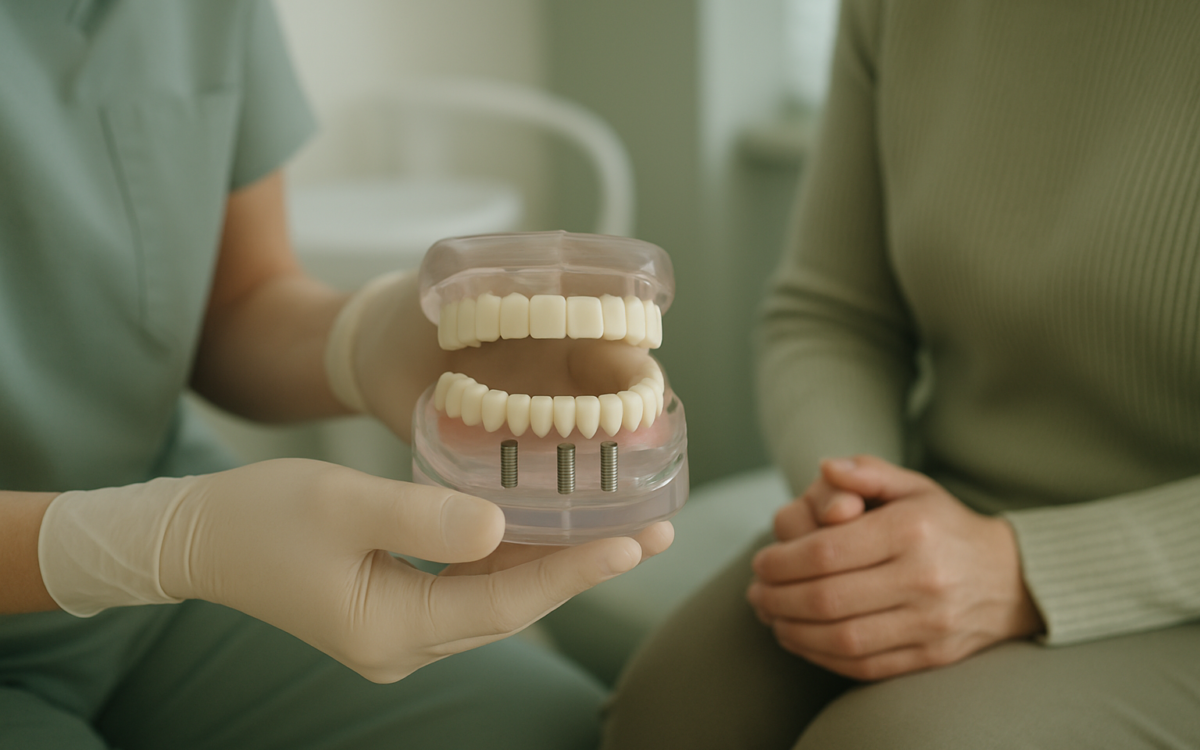
Full mouth dental implants are a modern solution for those who have lost most or all of their teeth. They offer a way to restore not only your smile but also your ability to eat and speak comfortably. This comprehensive guide will walk you through what full mouth dental implants are, the procedure involved, their benefits, and how to care for them.
What Are Full Mouth Dental Implants?
Full mouth dental implants, also known as full arch dental implants, are a type of dental prosthesis that replaces an entire arch of teeth. Rather than replacing each tooth individually, this approach uses a series of implant-supported prosthetics, allowing for a more streamlined and effective restoration process.
Typically, full mouth implants consist of titanium posts that are surgically placed into your jawbone. These posts fuse with the bone over time through a process called osseointegration, providing a stable foundation for a custom-made dental prosthetic. The result is a natural-looking set of teeth that can greatly improve your quality of life.
The Implant Procedure
Getting full mouth dental implants involves several steps:
- Initial Consultation: During your first visit, your dentist will evaluate your oral health, discuss your medical history, and create a treatment plan tailored to your needs.
- Imaging and Planning: Your dentist may use X-rays or 3D imaging to precise the placement of the implants. This helps in strategizing the surgery for optimal results.
- Surgery: The surgery typically occurs under local anesthesia or sedation. Small incisions are made in the gums to insert the titanium posts into the jawbone.
- Healing Period: Healing can take several months. During this time, the implants will fuse with the bone, creating a strong foundation.
- Placement of Prosthetic Teeth: Once healing is completed, a custom prosthetic that resembles natural teeth is securely attached to the implants.
Benefits of Full Mouth Dental Implants
Full mouth dental implants offer numerous advantages:
- Improved Functionality: With dental implants, you can eat a wide range of foods without discomfort or worry about removable dentures falling out.
- Enhanced Aesthetics: Implants look and feel like natural teeth, providing a boost to your confidence and self-esteem.
- Bone Health Preservation: By stimulating the jawbone, dental implants may help prevent bone loss that often occurs with missing teeth, thus maintaining facial structure.
- Long-lasting Solution: With proper care, full mouth dental implants can last for years, providing a durable solution compared to traditional dentures.
Aftercare for Your Implants
Caring for full mouth dental implants is crucial for their longevity. Here are some maintenance tips:
- Practice Good Oral Hygiene: Brush your teeth at least twice a day and floss daily. Consider using a soft-bristled toothbrush and non-abrasive toothpaste.
- Regular Dental Check-ups: Schedule regular appointments with your dentist for check-ups and cleanings. This helps ensure your implants and gums remain healthy.
- Avoid Hard Foods: While implants are durable, be cautious with extremely hard foods that could potentially damage them.
- Avoid Tobacco Use: Smoking can increase the risk of implant failure; consider seeking support to quit if you smoke.
Potential Risks and Considerations
While full mouth dental implants are considered safe, it’s important to be aware of potential risks:
- Infection: As with any surgical procedure, there’s a risk of infection.
- Implant Failure: In some cases, the implants may not properly fuse with the bone, necessitating additional surgery.
- Changes in Oral Health: After receiving implants, some individuals may experience changes in their oral health, like gum tenderness or occasional discomfort.
When to See a Doctor
If you experience any unusual symptoms following your implant surgery, such as swelling, pain, or signs of infection like fever, it’s important to contact your dentist promptly for an evaluation.
Conclusion
Full mouth dental implants offer a transformative solution for individuals with significant tooth loss. By understanding the process and committing to proper care, you can enjoy a restored smile and improved oral health. If you’re considering full mouth implants, consult your dentist to discuss whether this option is right for you. For more information on dental health options, refer to resources like Mayo Clinic and NIH.
