
For those living with extensive tooth loss, a solution that restores not just function but also confidence can feel elusive. Full mouth implants offer a promising way to reclaim a healthy smile and quality of life. Whether due to decay, injury, or other oral health issues, understanding how full mouth implants work is crucial for anyone considering this option.
What Are Full Mouth Implants?
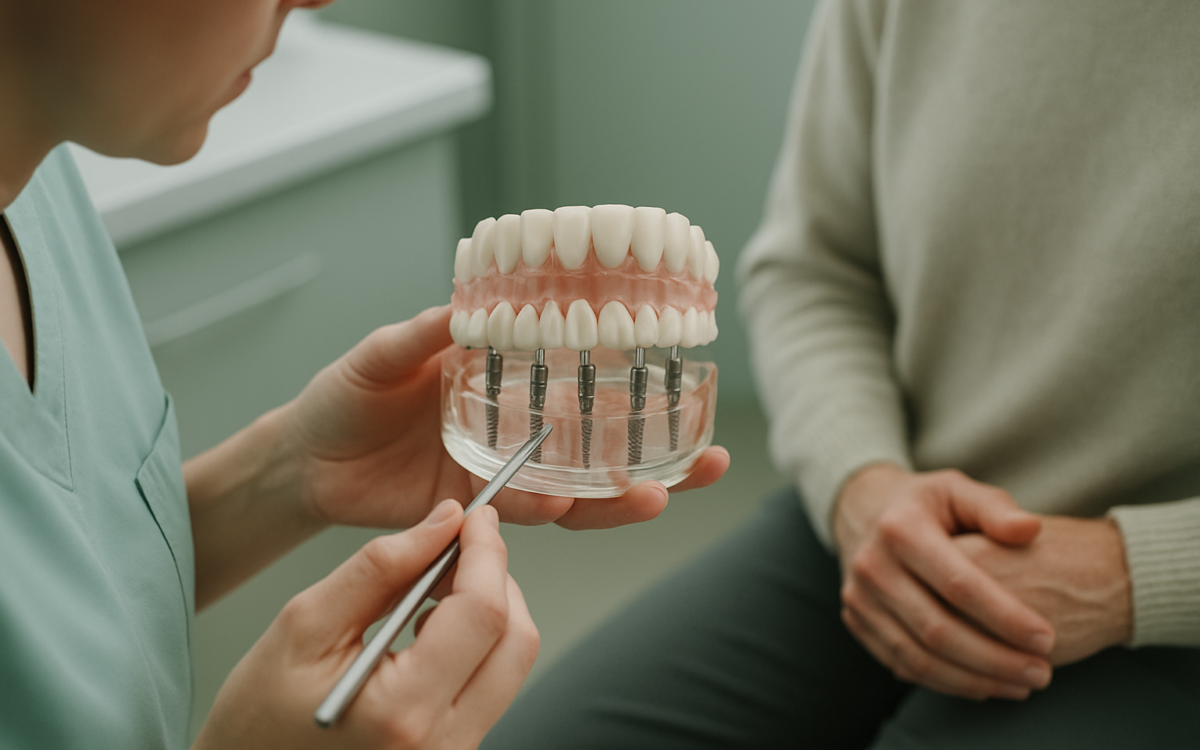
Full mouth implants, also known as full-arch dental implants, involve placing multiple implants that support a full set of replacement teeth. Unlike traditional dentures, which can shift and require adhesives, these implants are anchored securely into the jawbone. This method not only improves function, allowing patients to chew and speak without worry, but also helps maintain jawbone integrity, preventing the bone loss that often accompanies tooth loss.
The Benefits of Full Mouth Implants
Many individuals find full mouth implants to be a life-changing option. Here are some key benefits:
- Improved Functionality: Patients can eat a wider variety of foods without the discomfort often associated with dentures.
- Aesthetics: Full mouth implants look and feel like natural teeth, restoring confidence in one’s smile.
- Jawbone Preservation: Implants help maintain the bone structure of the jaw, reducing the risk of facial collapse.
- Long-lasting Solution: With proper care, full mouth implants can last over a decade or more.
The Process of Getting Full Mouth Implants
The journey to full mouth implants typically involves several steps:
1. Initial Consultation
The first step is a comprehensive evaluation by a dental professional. They will review your medical history, examine your mouth, and may perform imaging tests to assess your jawbone structure. This is the time to discuss any concerns and expectations.
2. Treatment Planning
If you are deemed a good candidate for implants, a tailored treatment plan will be created. This includes the number of implants needed, the type of replacement teeth (fixed or removable), and the timeline for the procedure.
3. Implant Placement
The next phase involves oral surgery to place the implants into the jawbone. This is typically done under local anesthesia or sedation. After placement, a healing period is necessary to allow the implants to fuse with the bone, a process known as osseointegration.
4. Attachment of Replacement Teeth
Once healed, your dentist will attach the custom-made replacement teeth to the implants. This step may vary depending on whether you have chosen fixed or removable options.
Post-Procedure Care
After receiving full mouth implants, proper oral hygiene is crucial. This includes regular brushing, flossing, and routine visits to your dentist for check-ups. Maintaining your oral health can contribute to the longevity of your implants.
Potential Risks and Considerations
As with any surgical procedure, full mouth implants do carry some risks. These can include:
- Infection: At the surgical site, which is why following post-operative care guidelines is essential.
- Nerve Damage: This can lead to numbness and pain in the jaw, lips, or gums if not performed correctly.
- Implant Failure: Though rare, it can occur if the implants do not properly fuse with the bone.
It’s essential to discuss these risks with your dentist or oral surgeon. They can help you weigh the pros and cons based on your specific dental health and needs.
Living with Full Mouth Implants
Adapting to full mouth implants may take some time. At first, patients may experience minor discomfort or adjustments needed for bite alignment. Over time, most individuals report significant improvement in their chewing ability and overall satisfaction with their smile.
When to See a Doctor
If you are experiencing any complications after your implant procedure, such as severe pain, swelling, or signs of infection like fever, it’s important to contact a healthcare professional promptly. Early intervention can prevent further issues and promote better healing.
The decision to pursue full mouth implants is a personal one and should involve thorough research and consultation with dental professionals. By understanding the process, benefits, and potential risks, you can make an informed choice that best suits your needs.
To dive deeper into the health implications of dental implants, consider exploring sources like the National Institutes of Health or the Mayo Clinic.
Ultimately, your smile is an essential part of who you are. Full mouth implants offer a pathway to restore not just teeth, but also confidence and quality of life.
