
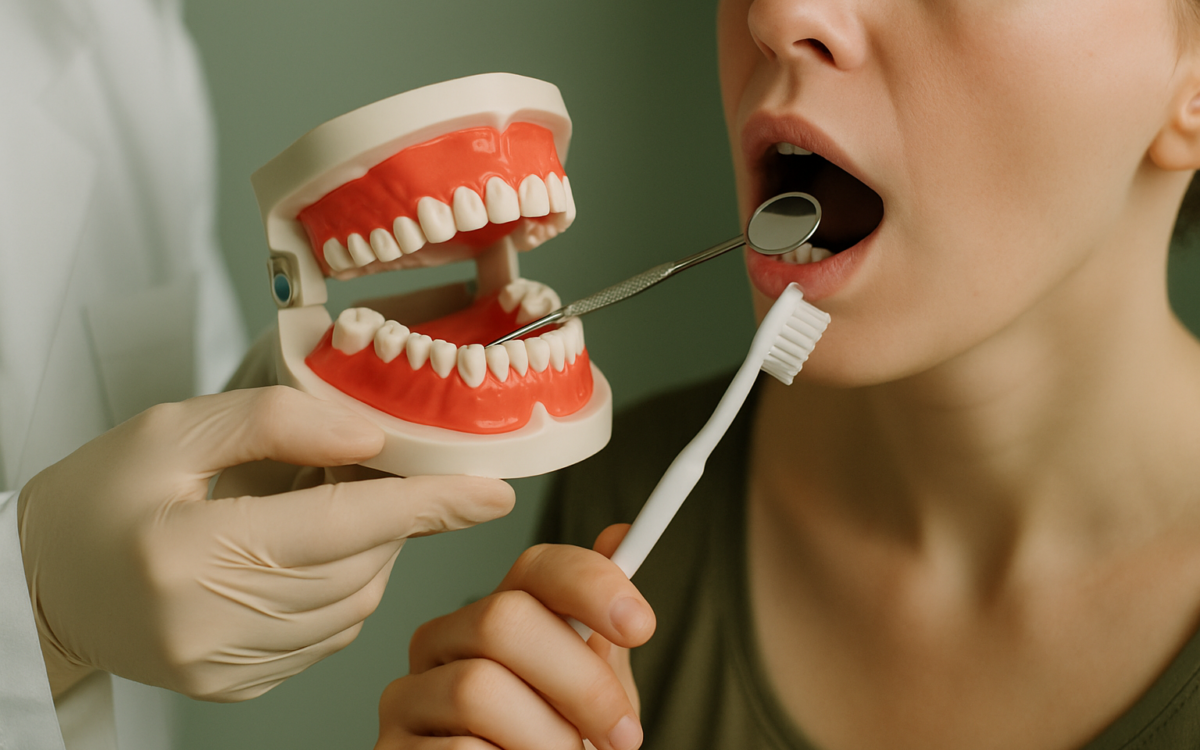
Gingivitis is one of the most common forms of gum disease, affecting millions of people around the world. It occurs when the gums become inflamed due to the buildup of plaque, a sticky film of bacteria that forms on your teeth. Understanding how gingivitis develops can help you maintain better oral health and prevent more serious dental issues.
What causes gingivitis?
The main cause of gingivitis is poor oral hygiene. When you fail to brush and floss your teeth regularly, plaque builds up on your teeth and gums. If plaque is not removed, it can harden into tartar, which is much harder to remove and leads to irritation of the gums.
Beyond plaque buildup, several factors can increase your risk of developing gingivitis:
- Tobacco use: Smoking or chewing tobacco can make gum disease more likely and hinder healing.
- Hormonal changes: Periods of hormonal fluctuation—like puberty, menstruation, and pregnancy—can make your gums more sensitive and vulnerable.
- Certain medications: Drugs that reduce saliva flow can contribute to gum disease since saliva helps protect your gums.
- Health conditions: Diseases such as diabetes can impair blood flow, making gum tissue more susceptible to infection.
- Nutritional deficiencies: Lack of essential nutrients, particularly vitamin C, can affect gum health.
Signs and symptoms of gingivitis
Gingivitis often goes unnoticed in its early stages, but there are symptoms to be aware of:
- Red, swollen gums that may bleed easily when brushing or flossing
- Chronic bad breath
- A receding gum line
- Changes in how teeth fit together when biting
- Pain or discomfort when chewing
If you notice any of these symptoms, it’s essential to take action to prevent the condition from worsening. Untreated gingivitis can lead to periodontitis, a more severe type of gum disease that can result in tooth loss.
How to prevent gingivitis
Fortunately, gingivitis is entirely preventable. Here are some effective strategies to keep your gums healthy:
1. Maintain a solid oral hygiene routine
Brush your teeth at least twice a day for two minutes each time, using fluoride toothpaste. Don’t forget to brush your tongue as well, as bacteria can also accumulate there.
2. Floss daily
Flossing helps remove plaque and food particles from between your teeth and beneath your gum line where your toothbrush can’t reach. Make it a habit to floss each night before bed.
3. Use mouthwash
Antimicrobial mouthwash can help reduce plaque and bacteria in your mouth, giving you added protection against gum disease.
4. Regular dental check-ups
Visit your dentist at least twice a year for cleanings and check-ups. Your dentist can spot early signs of gingivitis that you may not notice.
5. Eat a balanced diet
A nutritious diet rich in fruits, vegetables, whole grains, and lean proteins can support your immune system and gum health. Ensure you’re getting enough vitamins and minerals, especially vitamin C and calcium.
When to see a doctor
If you notice persistent symptoms of gingivitis, such as bleeding gums or bad breath that doesn’t improve with proper hygiene, consult a healthcare provider or dentist for evaluation. Early diagnosis and intervention are crucial for effective treatment and to prevent complications related to gum disease.
Conclusion
Understanding how gingivitis occurs is the first step towards prevention. By maintaining good oral hygiene, being aware of its symptoms, and seeking regular dental check-ups, you can keep your gums healthy and enjoy a beautiful smile. Remember, a little care goes a long way in preventing gum disease!
