
Groin strains are common injuries that can occur during physical activities, particularly in sports that involve sudden movements or changes in direction. Whether you’re an athlete or just enjoy physical activity, a groin strain can bring your routine to an abrupt halt. Understanding how to manage and recover from this injury is crucial for a quick return to your normal activities.
What Is a Groin Strain?
A groin strain occurs when the muscles in the groin area are stretched or torn. This can happen due to a variety of factors, including overexertion, improper warm-up, or accidents during physical activities. The severity of groin strains can vary, with mild strains causing minor discomfort, while severe strains may result in significant pain and limited mobility.
Common Symptoms of a Groin Strain
Identifying a groin strain early can facilitate effective treatment. Common symptoms include:
- Sharp pain in the groin or inner thigh
- Soreness or stiffness, especially when moving
- Swelling or bruising in the area
- Difficulty walking or performing daily activities
If you notice any of these symptoms, it’s essential to take them seriously and consider your next steps for recovery.
Initial Treatment Steps
When you first experience a groin strain, the initial management can significantly impact your healing process. A widely recommended approach is the R.I.C.E. method, which stands for:
- Rest: Avoid activities that aggravate the pain. This includes jogging, jumping, or any movements that strain the groin area.
- Ice: Apply ice packs to the injured area for 15-20 minutes every hour. This helps reduce swelling and numb pain.
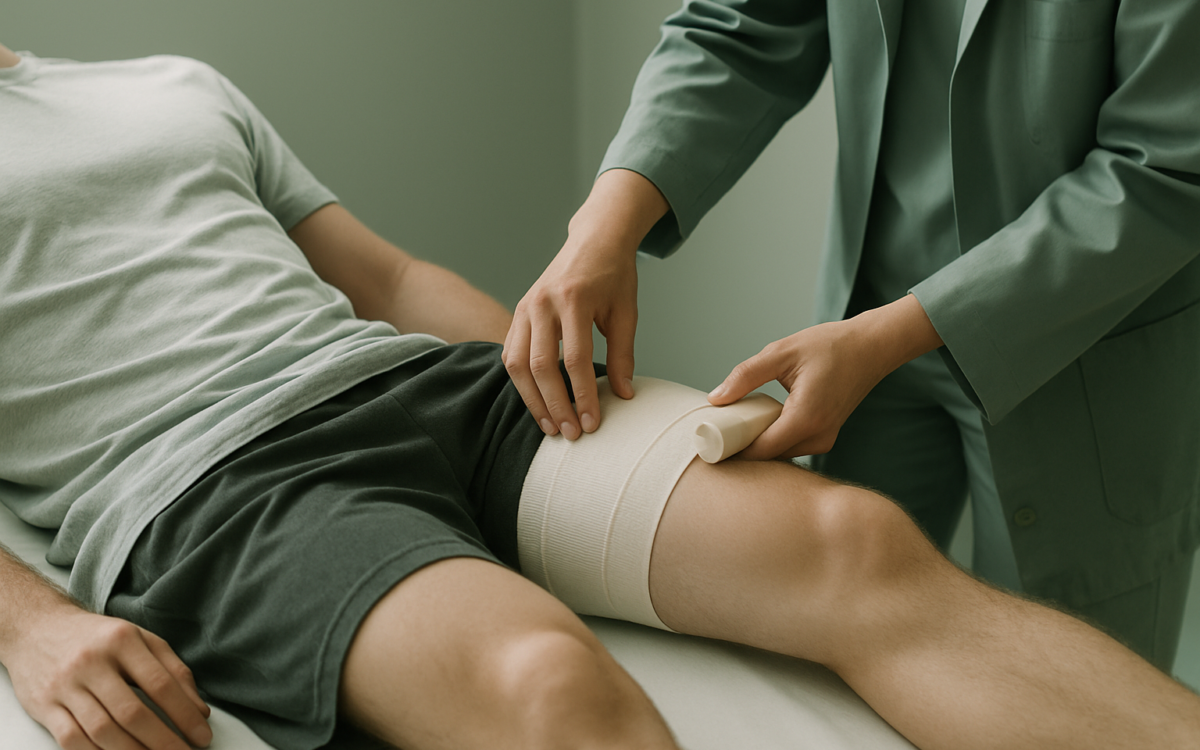
- Compression: Use an elastic bandage or compression shorts to minimize swelling and provide support.
- Elevation: Keep the leg elevated above the level of the heart to decrease swelling.
Following the R.I.C.E. method for the first 48 hours can help kickstart your recovery.
Progressing to Rehabilitation
Once the initial pain and swelling start to decrease, it’s time to introduce rehabilitation exercises to strengthen the groin muscles. Physical therapy may be beneficial. A physical therapist can provide personalized guidance and exercises to facilitate recovery.
Some recommended exercises include:
- Gentle stretches: Gradually stretch the groin muscles once you can move without pain.
- Strengthening exercises: Focus on exercises like side leg raises, clamshells, and bridges to strengthen the inner thigh and hip muscles.
- Core strengthening: Include exercises that strengthen your core, as this can help support your entire lower body.
Always start slow and gradually increase the intensity of your workouts. Regularly check in with your physical therapist or healthcare provider to ensure you are progressing safely.
Managing Pain and Discomfort
During recovery, it’s normal to experience some discomfort. Here are some ways to manage pain:
- Over-the-counter medications: Nonsteroidal anti-inflammatory drugs (NSAIDs) like ibuprofen can help reduce pain and swelling.
- Heat therapy: After the first few days, applying heat can help relax tight muscles.
- Topical treatments: Creams and gels containing menthol or capsaicin can provide localized pain relief.
Consult with your doctor or physical therapist before starting any new treatment to ensure it’s appropriate for your situation.
Returning to Activity Safely
Returning to sports or physical activities should be a gradual process. Rushing back can risk re-injury. Here are guidelines to follow:
- Begin with low-impact activities, such as swimming or cycling, before transitioning back to sports.
- Monitor your body’s response; if pain returns, scale back to recovery steps.
- Consider wearing supportive gear, like compression shorts, during your return.
Most people can return to normal activity after a groin strain with proper care and rehabilitation, but the timing can vary based on the severity of the injury.
When to See a Doctor
While many groin strains can be managed at home, consult a healthcare provider if:
- The pain is severe and does not improve with basic care.
- You notice a significant swelling or bruising.
- You have difficulty walking or putting weight on the leg.
Medical professionals may suggest imaging tests, such as an MRI or ultrasound, to assess the extent of the injury and recommend specific treatments.
Conclusion
Recovering from a groin strain requires patience and a thoughtful approach to treatment. By understanding the injury, following initial care guidelines, and progressing to rehabilitation, you can effectively manage the healing process. Always listen to your body, consult professionals when necessary, and take steps to prevent future strains. For more information, you can check resources available from reputable organizations like the NIH or Mayo Clinic.
