
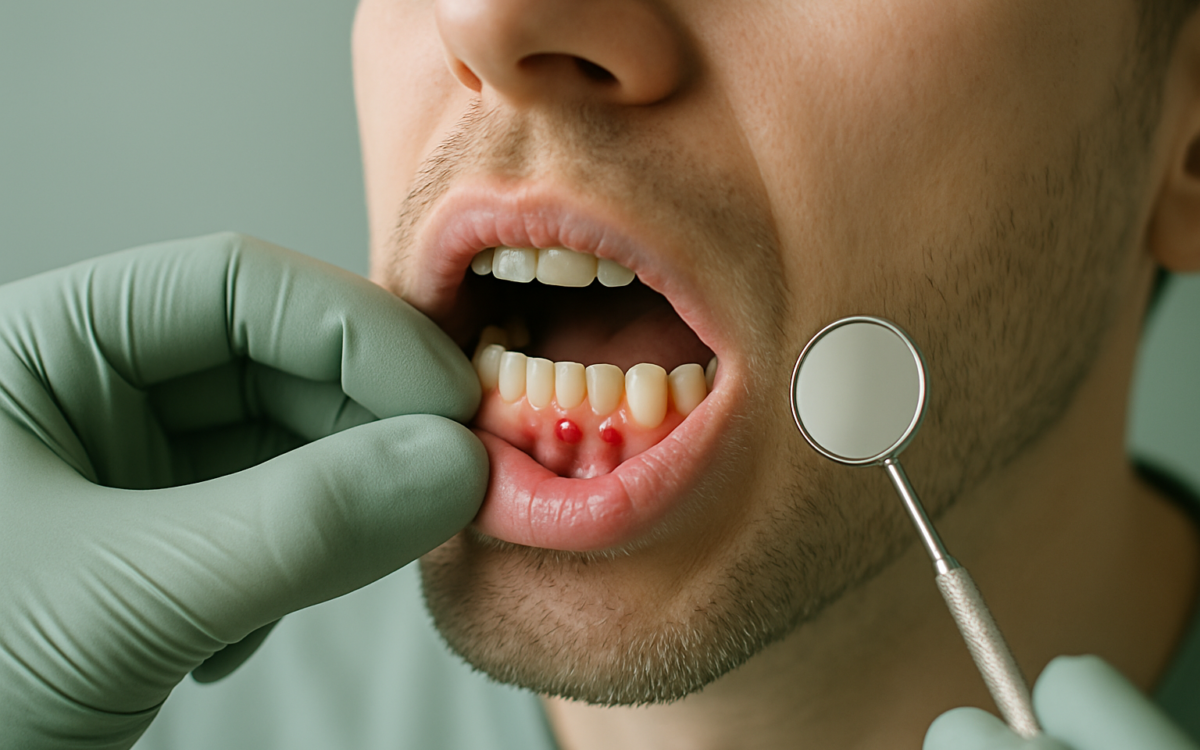
Gum disease can take many forms, and one of the more unsettling signs may be the appearance of blisters on the gums. These blisters can raise questions about your oral health and what steps to take next. Understanding the causes, symptoms, and treatments for gum disease blisters can empower you to take charge of your dental health.
What Are Gum Disease Blisters?
Gum disease blisters are fluid-filled sacs that can form on the gums due to various types of gum disease, including gingivitis and periodontitis. These blisters are often a result of inflammation or infection and may be painful or uncomfortable. Gum disease itself is an infection of the tissues that support the teeth, primarily caused by plaque buildup and poor oral hygiene.
Causes of Gum Disease Blisters
Several factors can contribute to the formation of blisters on the gums:
- Infection: Bacterial infections are the primary cause of gum disease. The buildup of plaque leads to an inflammatory response that can result in blister formation.
- Poor Oral Hygiene: Neglecting regular brushing and flossing allows plaque and tartar to accumulate, worsening the gum condition.
- Underlying Health Conditions: Diseases such as diabetes or autoimmune disorders can predispose individuals to gum issues, making blisters more likely.
- Hormonal Changes: Fluctuations in hormones, especially during puberty, menstruation, or pregnancy, can affect gum health and lead to blister formation.
- Tobacco Use: Smoking and other forms of tobacco can hinder blood flow to the gums, increasing the risk of infections and blisters.
Symptoms Accompanying Gum Disease Blisters
Besides blisters, other symptoms can accompany gum disease:
- Swelling and redness of the gums
- Persistent bad breath
- Bleeding while brushing or flossing
- Receding gums
- Tooth sensitivity or pain
- Loose teeth
If you experience blisters along with these symptoms, it may indicate an escalating condition that warrants attention.
Diagnosing Gum Disease Blisters
Diagnosing the cause of gum disease blisters typically involves a visit to your dentist or periodontist. They will conduct a thorough examination of your mouth, often using specific tools to measure the depth of gum pockets and assess the health of your gums. Your dental professional may also conduct X-rays to evaluate the bone surrounding your teeth.
In some cases, they may want to perform a bacterial culture to determine the specific type of bacteria present, guiding further treatment options. Understanding the underlying cause of your gum disease blisters is essential for effective treatment.
Treatment Options for Gum Disease Blisters
Managing gum disease blisters often centers on addressing the underlying gum disease. Some common treatment approaches include:
- Professional Cleaning: A dental hygienist may perform a deep cleaning to remove plaque and tartar buildup. This procedure, known as scaling and root planing, can help in healing the gums.
- Antibiotics: In cases of severe bacterial infections, your dentist may prescribe antibiotics to help eliminate the bacteria causing the gum disease.
- Oral Health Education: Your dentist will likely provide you with tailored advice on improving your oral hygiene practices, including proper brushing and flossing techniques.
- Surgery: In advanced stages of periodontal disease, surgical procedures may be necessary to restore gum health and prevent tooth loss.
Home Care Tips for Gum Health
While professional treatment is crucial for managing gum disease blisters, maintaining good oral hygiene at home is equally important:
- Brush Twice Daily: Use fluoride toothpaste and make sure to brush for at least two minutes.
- Floss Daily: Flossing helps remove plaque between teeth and along the gum line where a toothbrush can’t reach.
- Use Mouthwash: An antibacterial mouthwash can help reduce plaque buildup and promote gum health.
- Eat a Balanced Diet: A diet rich in vitamins and minerals, especially calcium and vitamin C, supports oral health.
- Avoid Tobacco Products: Quitting smoking and using tobacco can significantly improve gum health.
When to See a Doctor
If you notice persistent blisters on your gums or experience symptoms such as significant swelling, bleeding, or pain, it is essential to consult a dental professional. Early intervention can prevent more severe complications associated with gum disease, including tooth loss. Don’t ignore changes in your oral health; addressing these early on can lead to better outcomes.
Conclusion
Gum disease blisters can be distressing, but understanding their causes and treatment options can empower you to take action. Maintaining good oral hygiene and seeking professional advice when needed are crucial steps in managing your dental health. If you notice any signs of gum disease, including blisters, reach out to your dentist for proper care and guidance. Your smile deserves it!
