
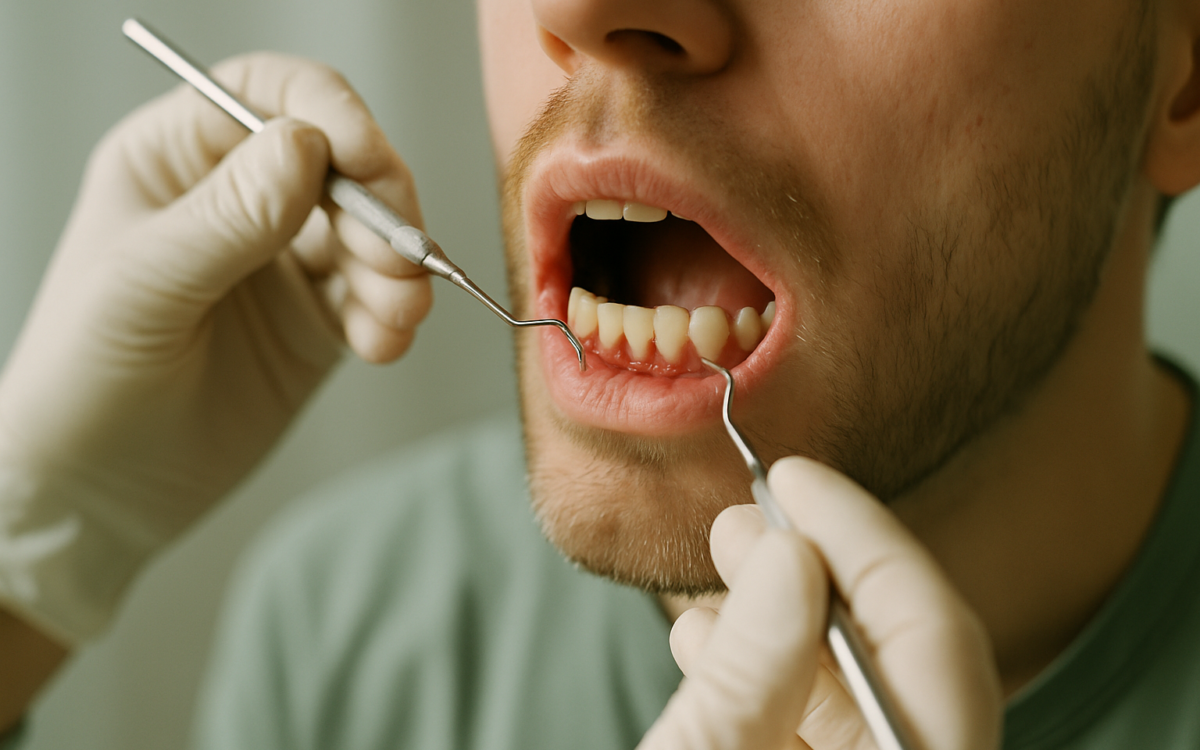
Gum disease colibrim is a term that might sound unfamiliar, yet it represents a serious aspect of oral health that affects many individuals. Like many dental issues, gum disease can start subtly but worsen over time if not addressed properly. Understanding what colibrim gum disease is, its causes, symptoms, and preventive measures can help you maintain a healthy smile.
What is gum disease colibrim?
Gum disease colibrim is a form of periodontal disease that stems from the inflammation of the gums. It typically arises when plaque, a sticky film of bacteria, accumulates on the teeth and hardens into tartar. If not cleaned regularly through proper oral hygiene, this condition can progress from mild gingivitis to a more severe form known as periodontitis, leading to potential tooth loss. Understanding the stages of gum disease is crucial as early intervention can prevent severe complications.
Signs and symptoms of gum disease colibrim
Detecting gum disease colibrim early can save you from more severe complications later. Common signs and symptoms include:
- Red, swollen, or tender gums
- Gums that bleed during brushing or flossing
- Persistent bad breath
- Loose or shifting teeth
- Changes in bite or the fit of dentures
- Pus between your gums and teeth
These signs may seem innocuous at first, but recognizing them and addressing them early can lead to better outcomes.
Causes of gum disease colibrim
The primary cause of gum disease colibrim is plaque buildup. However, several factors can contribute to the severity of gum disease:
1. Poor oral hygiene
Neglecting regular brushing and flossing allows plaque to harden into tartar, which can only be removed by a dental professional.
2. Smoking and tobacco use
Tobacco products significantly increase the risk of gum disease, making it harder for gums to heal and recover from inflammation.
3. Hormonal changes
Changes during pregnancy, menstruation, and menopause can impact gum health due to changes in blood flow and sensitivity in the gums.
4. Certain medical conditions
Conditions such as diabetes and autoimmune diseases can make individuals more susceptible to infections, including those affecting the gums.
5. Medications
Some medications can reduce saliva flow, which is important for oral health, thus increasing the risk of gum disease.
Recognizing these risk factors can help in evaluating your overall oral health and the potential for developing gum disease colibrim.
Treatment options for gum disease colibrim
If you suspect you may have gum disease colibrim, it’s essential to consult a healthcare professional. Treatment varies depending on the severity:
1. Professional cleaning
Your dentist may recommend a thorough cleaning known as scaling and root planing, which involves removing tartar and plaque from above and below the gum line.
2. Medications
In some cases, antibacterial medications may be prescribed to help control infection and reduce inflammation.
3. Surgical interventions
In advanced cases, surgery may be necessary to restore the gum tissue or reshape the bone structure supporting the teeth.
Preventing gum disease colibrim
Preventing gum disease colibrim is easier than treating it. Here are some effective tips:
- Brush your teeth at least twice a day with fluoride toothpaste.
- Floss daily to remove plaque and food particles between the teeth.
- Visit your dentist regularly for check-ups and professional cleanings.
- Avoid tobacco products, which can worsen gum disease.
- Maintain a balanced diet rich in vitamins and minerals to support gum health.
Implementing these habits can significantly reduce the risk of developing gum disease and support overall oral health.
When to see a doctor
If you notice any symptoms of gum disease colibrim—such as bleeding gums, persistent bad breath, or loose teeth—it’s vital to consult a dentist as soon as possible. Early intervention can help prevent the progression of gum disease and preserve your oral health.
For more detailed information on gum disease and its prevention, you can refer to reputable sources such as the National Heart, Lung, and Blood Institute or the Mayo Clinic.
In conclusion, gum disease colibrim is a significant concern that can impact your dental and overall health. Understanding its signs, causes, and prevention strategies provides you with the tools you need to maintain a healthy mouth. With proper care and attention, you can keep your gums and teeth in excellent condition for years to come.
