
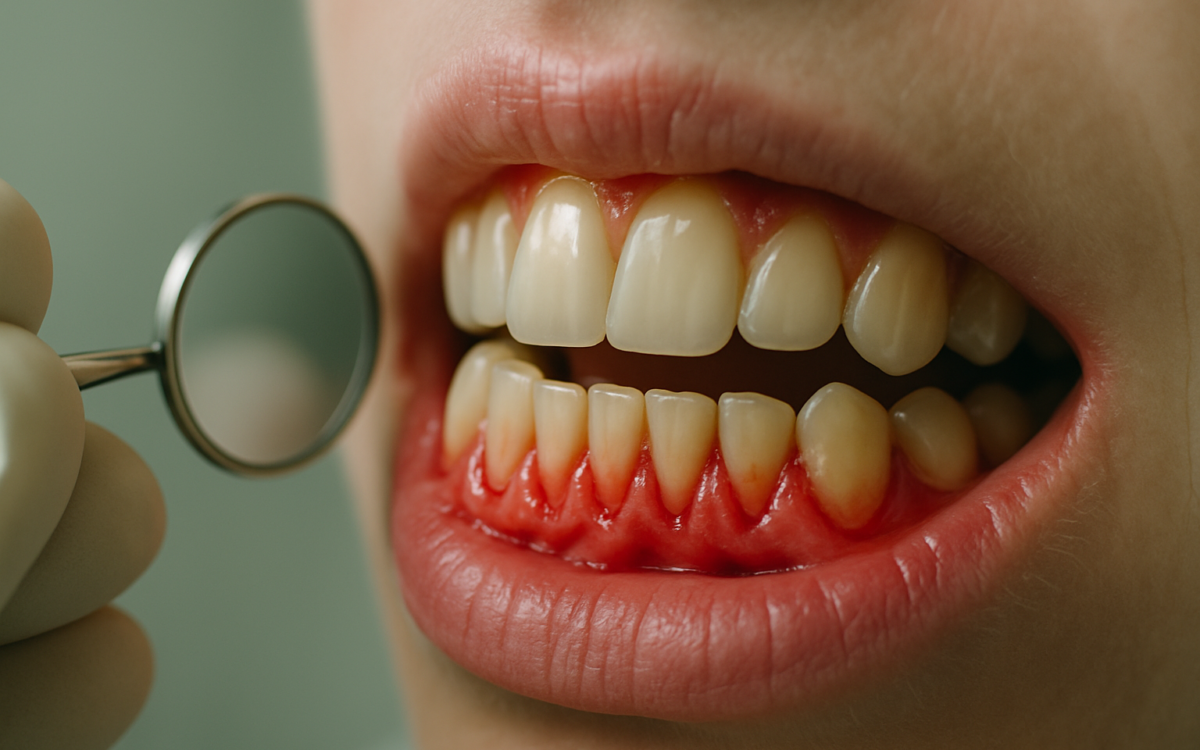
Gum disease, often overlooked, can be a silent threat to your oral health. Many people may not even realize they have it until they notice some troubling signs. Knowing what gum disease looks like and understanding its early symptoms can make all the difference in keeping your smile bright and healthy.
What is Gum Disease?
Gum disease, or periodontal disease, is an infection of the tissues that surround and support your teeth. It’s primarily caused by poor oral hygiene that allows plaque—a sticky film of bacteria—to build up on teeth and harden into tartar. If not treated, gum disease can lead to tooth loss and affect your overall health.
Stages of Gum Disease
Gum disease typically progresses through two main stages:
- Gingivitis: This is the initial, milder stage. It’s generally characterized by inflammation of the gums without bone loss.
- Periodontitis: This is a more severe form where the inflammation spreads deeper into the supporting tissues, leading to loss of bone and tooth support.
Visible Signs of Gum Disease
Here are some common signs and symptoms that can indicate gum disease:
1. Changes in Gum Color
Healthy gums typically have a pale pink color. If you notice your gums turning red or dark pink, it may indicate inflammation, which is a sign of gingivitis.
2. Swollen and Tender Gums
Gums that are swollen or tender to the touch can indicate irritation caused by plaque or tartar buildup. You might notice that your gums bleed when brushing or flossing, which is a common early sign of gum disease.
3. Bleeding Gums
Experiencing bleeding gums during your daily oral hygiene routine is a significant warning sign. According to the Centers for Disease Control and Prevention, almost half of adults aged 30 years and older have some form of gum disease, which often presents initially as bleeding gums.
4. Gum Recession
As gum disease progresses, you might notice that your gums start to recede or pull away from your teeth. This can expose more of the tooth or even the tooth’s root, making your teeth look longer. It’s a clear indication that the tissues supporting your teeth are starting to break down.
5. Pockets Between Teeth and Gums
As gum disease advances, you may develop pockets or spaces between your teeth and gums. These pockets can harbor bacteria and plaque, leading to further complications. These pockets may only be detected during a dental check-up.
Other Symptoms to Note
Aside from the visible signs mentioned above, gum disease can cause other uncomfortable symptoms:
- Persistent Bad Breath: Chronic bad breath or a bad taste in the mouth, even after brushing, can signal gum disease.
- Loose Teeth: In advanced stages, you might notice your teeth feeling loose in their sockets.
- Changes in Bite: Sometimes, patients report that their teeth don’t seem to fit together as they used to, which could be a sign of underlying gum disease.
Who is at Risk for Gum Disease?
While anyone can develop gum disease, certain factors can increase your risk:
- Poor Oral Hygiene: Inconsistent brushing and flossing habits
- Smoking or Chewing Tobacco: Tobacco users are at a higher risk of developing gum disease.
- Hormonal Changes: Fluctuations during menstruation, pregnancy, or menopause can make gums more sensitive.
- Chronic Diseases: Conditions like diabetes and HIV/AIDS can weaken your immune system, making it harder to fight infections.
Preventing Gum Disease
The good news is that with proper dental care, gum disease can often be prevented:
- Brush your teeth at least twice a day and floss daily to remove plaque.
- Visit your dentist regularly for check-ups and professional cleanings.
- Use an antibacterial mouthwash to help reduce plaque between brushing.
- Adopt a healthy diet rich in vitamins and minerals to support your gum health.
- Avoid tobacco products that promote gum disease.
When to See a Doctor
If you notice any signs or symptoms of gum disease, it’s essential to consult a dentist. They can provide a thorough examination and discuss appropriate measures to manage or treat the condition. Early intervention is key in preventing further damage and maintaining a healthy smile.
Conclusion
Being aware of what gum disease looks like can empower you to take control of your oral health. If you recognize any of the signs discussed here, please don’t hesitate to reach out to your dental care provider. A healthy smile is worth it, and being proactive can help you maintain your well-being for years to come.
