
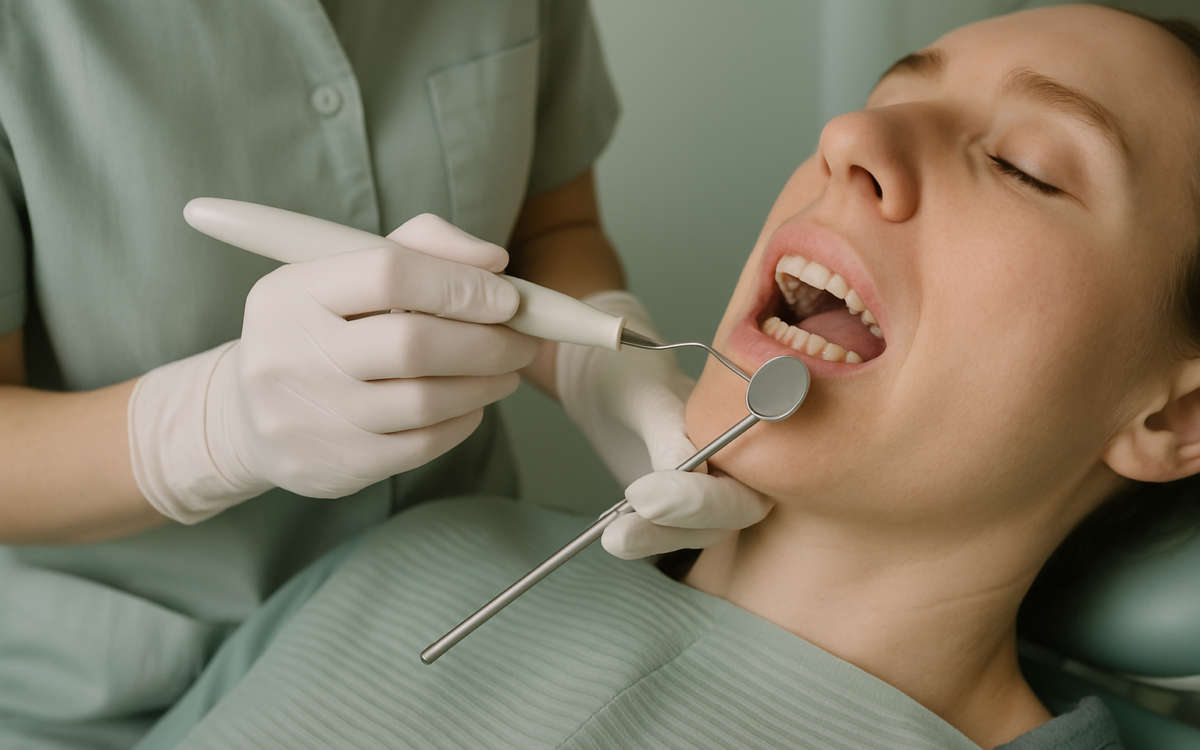
Gum disease, also known as periodontal disease, is a common condition that affects many people. It starts with gingivitis, which is the mildest form and can progress to more severe issues if not addressed. Taking charge of your gum health is crucial, as healthy gums are vital for overall wellbeing and oral health.
What is gum disease?
Gum disease occurs when the tissue surrounding your teeth becomes inflamed, mainly due to plaque buildup. Plaque is a sticky film of bacteria that forms on your teeth after eating. If not removed through regular brushing and flossing, plaque can harden into tartar, leading to gum disease.
Signs and symptoms of gum disease
Early detection is key to effectively managing gum disease. Here are some common signs and symptoms to look out for:
- Red, swollen, or tender gums
- Gums that bleed when brushing or flossing
- Persistent bad breath
- Receding gums, making teeth appear longer
- Loose teeth or teeth shifting positions
If you notice any of these symptoms, it’s essential to take action before the condition worsens.
How to manage and improve gum health
While you can’t completely “cure” gum disease on your own, there are several ways to manage it and enhance your gum health:
1. Maintain excellent dental hygiene
Brushing your teeth twice a day and flossing daily are foundational practices for preventing gum disease. Use a soft-bristled toothbrush and fluoride toothpaste. Make sure to brush for at least two minutes and reach all areas of your mouth.
2. Use mouthwash wisely
A good antimicrobial mouthwash can help reduce plaque bacteria, offering an extra line of defense against gum disease. Look for a mouthwash that has the ADA Seal of Acceptance, indicating it’s approved by dental professionals. It’s also beneficial for freshening breath.
3. Eat a balanced diet
Your diet plays a significant role in oral health. Foods high in antioxidants can help reduce inflammation in your gums. Incorporate plenty of fruits and vegetables, whole grains, and sources of omega-3 fatty acids. Try to limit sugary snacks that promote plaque formation.
4. Quit smoking and avoid tobacco
Tobacco use is one of the leading causes of gum disease. It weakens your immune system and makes it harder for your gums to heal. Quitting smoking can dramatically improve your overall gum health. Seek support and resources that can help you quit.
5. Regular dental check-ups
Visiting the dentist regularly (usually every six months) ensures that any gum-related issues are detected early. Your dentist can perform professional cleanings to remove tartar buildup that regular brushing can’t. They may also offer deeper treatments depending on the severity of your gum disease.
Home remedies for gum disease
In addition to professional care, some home remedies may help manage gum disease:
- Saltwater rinse: Dissolving salt in warm water and rinsing your mouth with it can help soothe irritation and reduce bacteria.
- Tea tree oil: Known for its antibacterial properties, a few drops in your mouthwash or toothpaste may help improve gum health.
- Aloe vera: Applying aloe vera gel to inflamed gums may help soothe pain and promote healing.
Always perform a patch test if you’re trying new products to ensure you won’t have a reaction.
Preventing gum disease
Prevention is always preferable to treatment. Here are some strategies to keep your gums healthy:
- Brush and floss correctly: Ensure you’re using the right techniques to keep your mouth clean.
- Stay hydrated: Drinking water helps wash away food particles and bacteria.
- Limit snacks: Frequent snacking can lead to plaque buildup, so try to stick to regular meal times.
- Consider probiotic supplements: Some studies suggest that probiotics may help combat oral bacteria.
By incorporating these preventive measures, you can help maintain gum health and minimize the risk of gum disease.
When to see a doctor
If you notice persistent gum problems, such as bleeding, swelling, or receding gums, it’s essential to consult a dental professional. Early intervention can prevent serious complications and help restore your gum health. Regular dental check-ups are critical, especially if you’re at higher risk for periodontal disease.
For more detailed information on gum health and disease, consider exploring reputable sources such as the National Institutes of Health or the Mayo Clinic.
Taking proactive steps to care for your gums can lead to a healthier mouth and overall better health. Stay informed, maintain good habits, and don’t hesitate to seek professional guidance when needed.
