
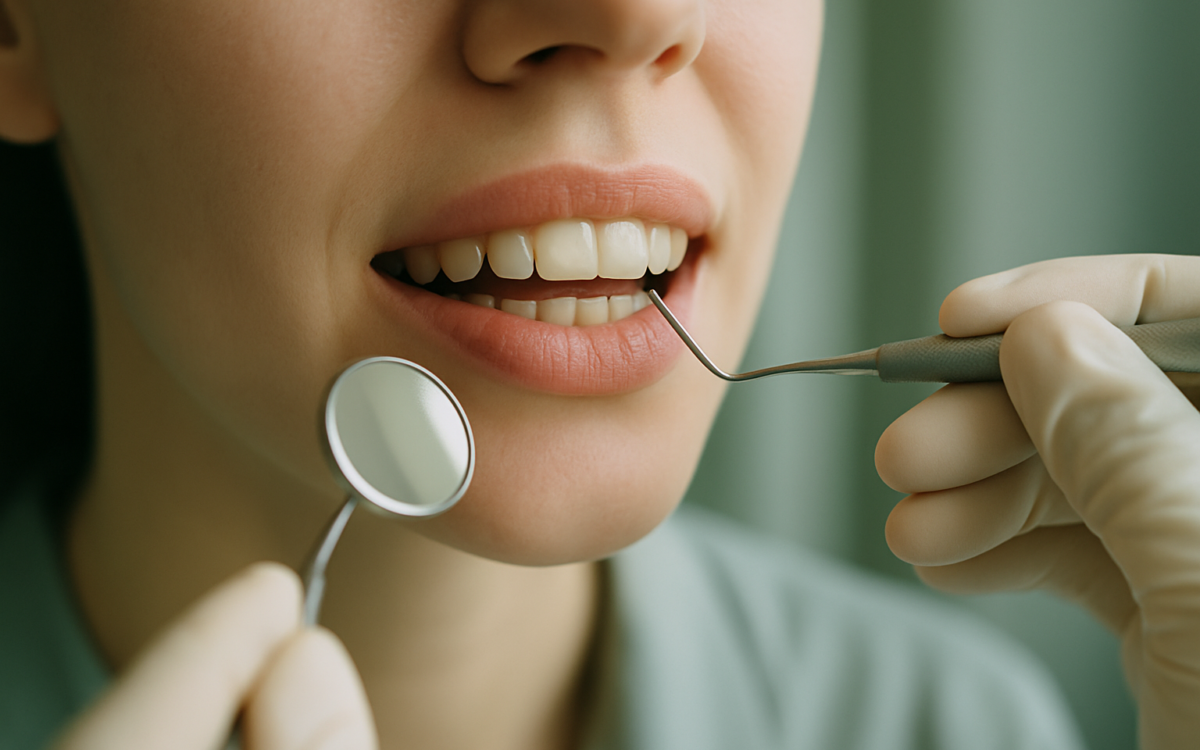
Many people often focus on their teeth when it comes to oral health, but just as crucial are the gums. Healthy gums are the foundation of a beautiful smile and are essential for overall health. In this article, we’ll explore what gum health means, common issues that can arise, and the steps you can take to keep your gums thriving.
What Are Gums and Why They Matter
Your gums, also known as gingiva, are the soft tissue that surround and support your teeth. Healthy gums are crucial because they act as a protective barrier against bacterial infections that can lead to more severe dental issues. When gums are healthy, they are firm, pink, and fit snugly around your teeth.
Common Gum Problems
Despite being essential, gums can face several challenges. Understanding these can help you take proactive measures.
Gingivitis
Gingivitis is the earliest stage of gum disease, characterized by inflammation and redness of the gums. It often occurs due to plaque buildup, which can irritate the gum tissue. Symptoms may include:
- Swollen gums
- Bleeding when brushing or flossing
- Bad breath
If you notice these signs, it’s crucial to act quickly. Gingivitis can typically be reversed with good oral hygiene practices.
Periodontitis
If gingivitis remains untreated, it can progress to periodontitis, a more severe form of gum disease. Periodontitis can cause the gums to pull away from the teeth, leading to pockets of infection. This can affect the bones that support your teeth. Symptoms may include:
- Persistent bad breath
- Loose teeth
- Changes in bite
According to the National Institutes of Health, periodontitis can result in tooth loss and has been linked to other health issues, such as heart disease and diabetes.
How to Maintain Gum Health
Maintaining gum health requires a combination of good practices. Here are some effective strategies you can adopt:
Brush and Floss Regularly
Brushing your teeth twice a day and flossing daily can significantly reduce plaque buildup. Use a soft-bristle toothbrush and fluoride toothpaste to keep your gums and teeth clean. When brushing, make sure to gently massage your gums to stimulate circulation.
Regular Dental Check-ups
It’s essential to visit your dentist regularly—ideally every six months. During these check-ups, your dentist can identify any early signs of gum disease and provide professional cleaning, which can help remove stubborn plaque and tartar. The Centers for Disease Control and Prevention (CDC) emphasize that preventive care is key to maintaining oral health.
Healthy Diet
A balanced diet rich in vitamins and minerals plays a significant role in gum health. Consuming foods high in vitamin C—like citrus fruits, strawberries, and leafy greens—can promote healthy gums. Calcium-rich foods, such as dairy products and leafy greens, also support gum structure.
Quit Smoking
Smoking significantly contributes to gum disease. It weakens your immune system, making it harder for your body to fight off infections. Quitting smoking can enhance gum health and overall well-being.
Recognizing Signs of Gum Disease
Being aware of the signs of gum problems can help you seek help promptly. Look out for:
- Bleeding gums during brushing or flossing
- Gums that are red, swollen, or tender
- Persistent bad breath
- Teeth that feel loose or fit differently in your mouth
If you experience any of these symptoms, it’s important to consult a dental professional.
When to See a Doctor
Don’t hesitate to seek dental care if you notice any signs of gum disease or experience discomfort. Early intervention can prevent more severe issues down the line. You should also schedule an appointment if:
- Your gums bleed frequently during brushing or flossing
- You have persistent bad breath that doesn’t improve
- You notice changes in the fit of your teeth
Your dental healthcare provider can assess your situation and recommend appropriate treatments and preventive measures.
Conclusion
Gum health is an integral part of maintaining good oral hygiene and overall wellness. By adopting effective practices and recognizing potential issues early, you can support your gums and enjoy a healthy smile for years to come. Remember, if in doubt, consult with your dentist—they’re your best resource for keeping your gums healthy.
