
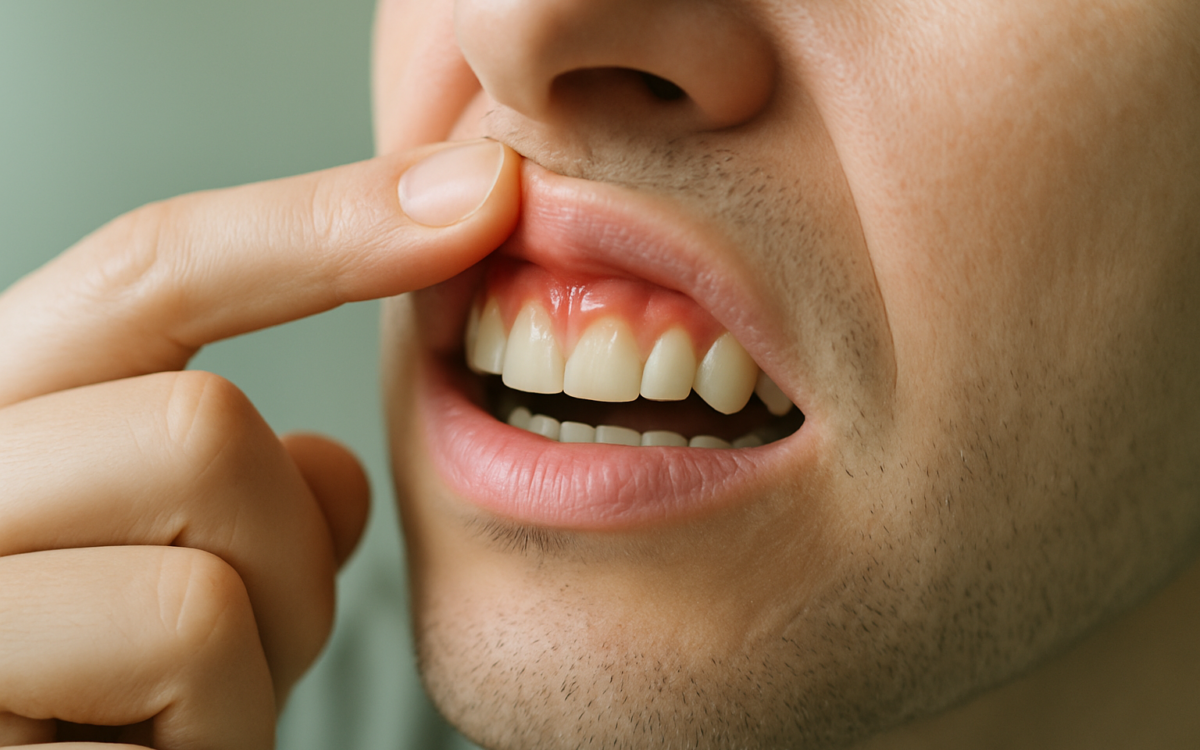
Swollen gums can be a surprising and sometimes painful experience, leaving many to wonder what caused this irritation. It’s essential to understand that swollen gums may not be just a nuisance; they could signal underlying health issues that require attention. This article aims to explore what causes gum swelling, how to care for it, and when it’s time to consult a healthcare professional.
What Causes Gum Swelling?
Gum swelling can arise from various factors, including poor oral hygiene, underlying health conditions, and certain lifestyle choices. Here are some common causes:
Poor oral hygiene
One of the leading causes of gum swelling is inadequate oral care. When plaque—a sticky film of bacteria—accumulates on your teeth and gums, it can lead to gum inflammation. This inflammation is often the first sign of gingivitis, an early stage of gum disease. If left untreated, gingivitis can progress to periodontitis, a more severe condition that can result in tooth loss. Practicing good oral hygiene, including regular brushing and flossing, is vital in preventing gum problems.
Gingivitis and Periodontal Disease
Gingivitis, as mentioned earlier, is a common condition characterized by gum inflammation, often resulting in gum swelling and bleeding, especially during brushing. If gingivitis is not addressed, it can evolve into periodontal disease, which affects the deeper tissues supporting your teeth. Periodontal disease is more severe and can lead to significant gum and tooth deterioration over time. Studies from the National Institutes of Health show that periodontal disease affects nearly half of adults aged 30 and older.
Other Medical Conditions
Sometimes, gum swelling can be a symptom of underlying health issues. For example:
- Diabetes: Individuals with diabetes are at higher risk for gum disease due to fluctuations in blood sugar levels, which can weaken the body’s immune response.
- Autoimmune Diseases: Conditions like lupus or rheumatoid arthritis can make the gums more susceptible to inflammation.
- Hormonal Changes: Changes in hormone levels during pregnancy, menstruation, or menopause can lead to increased gum sensitivity and swelling.
Allergies and Reactions
Some people may experience gum swelling due to allergic reactions or the side effects of certain medications. For example, some drugs can cause gingival hyperplasia, an increase in gum tissue. If you notice swelling after starting a new medication, it’s essential to consult your healthcare provider.
Signs and Symptoms of Gum Swelling
Identifying gum swelling is crucial for early intervention. Common signs include:
- Red, swollen areas on the gum tissue
- Bleeding gums, especially during brushing or flossing
- Persistent bad breath
- Pain or discomfort when chewing
- A receding gum line that exposes more of the tooth
If you notice any of these symptoms, it’s important to take them seriously. Early attention can prevent further complications and improve your dental health.
Managing and Caring for Swollen Gums
Taking care of your swollen gums is vital to alleviate discomfort and promote healing. Here are some steps you can take:
Maintain Good Oral Hygiene
The foundation for healthy gums lies in good oral hygiene. Brush your teeth at least twice a day with a soft-bristled toothbrush and fluoride toothpaste. Don’t forget to floss daily to remove plaque and food particles from between your teeth and under the gum line.
Rinse with Warm Salt Water
A homemade saltwater rinse can help reduce inflammation and soothe swollen gums. Mix one teaspoon of salt in a glass of warm water and rinse your mouth several times a day. This simple solution can help promote healing and reduce bacteria in the mouth.
Dietary Considerations
A balanced diet can also help. Foods rich in vitamin C (like oranges, broccoli, and kiwi) can support gum health. Avoid excessive sugary foods and beverages, which can contribute to plaque buildup.
Stay Hydrated
Drinking plenty of water is essential for overall health, including oral health. It helps wash away food particles and bacteria that can lead to gum swelling. Staying hydrated also encourages saliva production, which is vital for neutralizing acids in the mouth.
When to See a Doctor
While occasional gum swelling might be manageable at home, it’s crucial to seek professional help in certain situations. You should contact a dentist if:
- Swelling persists for more than a week despite at-home care.
- You have severe pain or discomfort.
- You notice a foul taste or odor coming from your gums.
- Gum swelling is accompanied by other symptoms like fever or trouble swallowing.
Early intervention by a dental professional can help prevent complications and ensure your long-term oral health.
Conclusion
Gum swelling is a common issue that can result from a variety of causes, from poor oral hygiene to more serious health concerns. By understanding the underlying factors and adopting good care habits, you can manage gum swelling effectively. However, when in doubt, don’t hesitate to consult your dentist for guidance. Your oral health is crucial for your overall well-being.
