
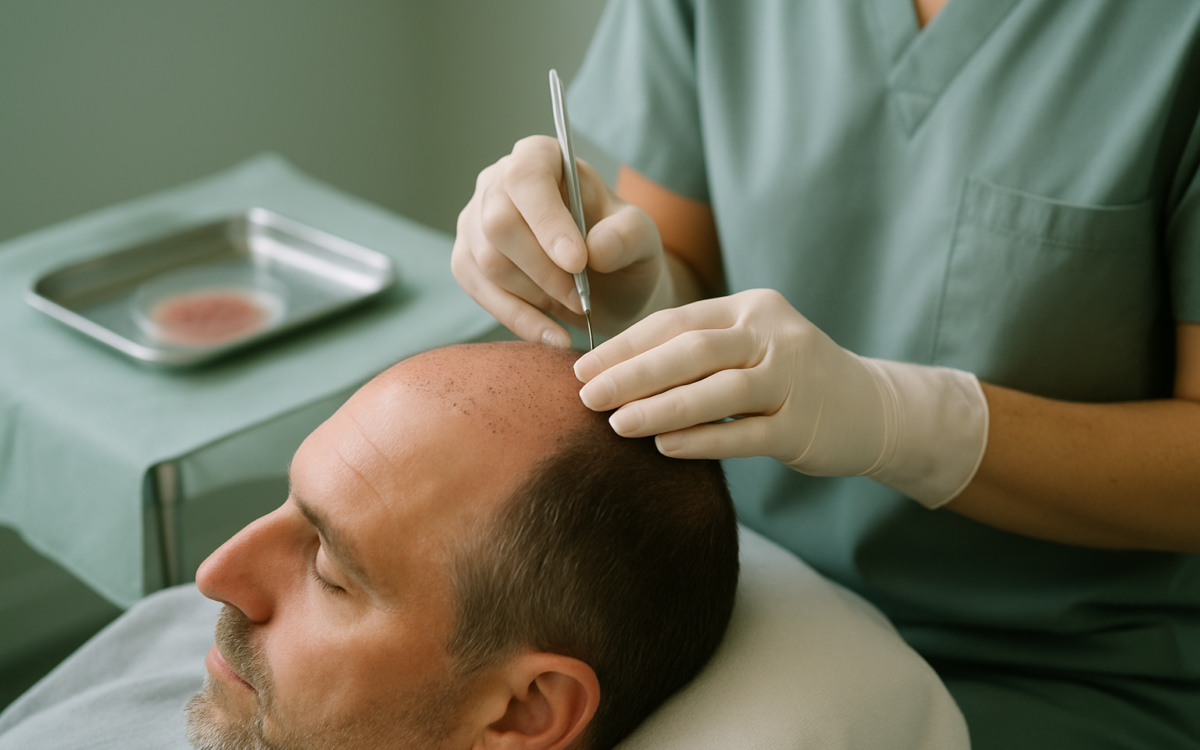
Hair loss is a common concern for many individuals, affecting confidence and self-image. For those in Dallas seeking a solution, hair grafting can offer a way to restore a fuller head of hair. This procedure, which involves transferring hair follicles from one part of the body to the balding areas, has gained popularity among various age groups. Understanding the process, benefits, and aftercare can empower potential candidates to make informed decisions.
What Is Hair Grafting?
Hair grafting, often referred to as hair transplantation, is a surgical procedure used to treat hair loss. The main types of hair grafting include Follicular Unit Transplantation (FUT) and Follicular Unit Extraction (FUE). FUT involves removing a strip of hair from a donor site, usually at the back of the head, dissecting it into individual follicular units, and then transplanting these units to the areas with thinning or no hair. In contrast, FUE involves extracting individual hair follicles directly without removing a strip of skin.
Why Consider Hair Grafting?
Individuals may consider hair grafting for various reasons:
- Genetic Hair Loss: Many men and women experience hereditary hair loss, which can begin as early as one’s twenties.
- Scarring or Injury: Those with scars or injury-related hair loss can restore their hairline through grafting.
- Thinning Hair: Hair grafting can help restore fullness and density to thinning hair.
Each person’s situation is unique, and a consultation with a dermatologist or hair restoration specialist can help determine if hair grafting is an appropriate solution.
What to Expect During a Hair Graft Procedure
If you’re considering a hair graft in Dallas, knowing what to expect can alleviate some anxiety:
- Consultation: A thorough assessment where the doctor reviews your medical history, analyzes hair loss, and discusses your goals.
- Preparation: You’ll receive instructions on how to prepare for the procedure, including any medications to avoid.
- The Procedure: Depending on the technique used (FUT or FUE), the surgery can take between 4 to 8 hours. Local anesthesia is used, allowing you to remain awake but without sensation in the treatment area.
- Recovery: Post-procedure, you may experience some swelling and discomfort, but this typically resolves within a few days.
Notably, the recovered area may take time to heal, and new hair growth typically starts to appear within a few months.
Aftercare and Recovery
Proper aftercare is crucial for successful results. Here are some key points to remember:
- Avoiding Sun Exposure: Protect your scalp from direct sunlight for several weeks.
- Follow Medical Advice: Use prescribed medications to prevent infection and promote healing.
- Gentle Hair Care: Avoid strenuous activities, and refrain from wearing hats or disturbing the grafts for the initial healing period.
- Patience: Hair may fall out temporarily before new growth begins, which is normal and should be anticipated.
Consult your hair restoration specialist for personalized care instructions tailored to your procedure.
Possible Risks and Considerations
While hair grafting is generally safe, like any surgical procedure, there are risks involved:
- Infection: As with any surgery, there’s a risk of infection at the donor or graft sites.
- Scarring: FUT techniques may result in a linear scar, while FUE generally leaves minimal scarring.
- Growth Failure: Some transplanted follicles may not survive, impacting overall results.
Discuss these risks with your specialist—understanding potential complications can help you make informed choices about your hair restoration journey.
When to See a Doctor
If you’re considering hair grafting, it’s essential to consult with a healthcare professional who specializes in hair restoration. Signs that you should seek medical advice include:
- Severe hair loss that is affecting your self-esteem.
- A family history of hair loss that is progressively getting worse.
- Changes in the pattern of hair loss or any sudden bald patches.
- Concerns about previous hair restoration procedures that didn’t yield desired results.
Healthcare professionals can provide tailored advice and effective strategies suited to your individual hair loss situation.
Dallas offers a variety of specialists skilled in hair grafting procedures, making it a suitable location for those looking to enhance their appearance. Researching options and consulting with medical professionals can help ensure you receive the best care possible.
Conclusion
Hair grafting can be a life-changing procedure for those struggling with hair loss. By understanding what the process entails, the recovery involved, and the risks and benefits, individuals in Dallas can make informed choices about their hair restoration journey. For anyone considering this procedure, it’s essential to consult a qualified hair restoration specialist to explore the best options available.
