
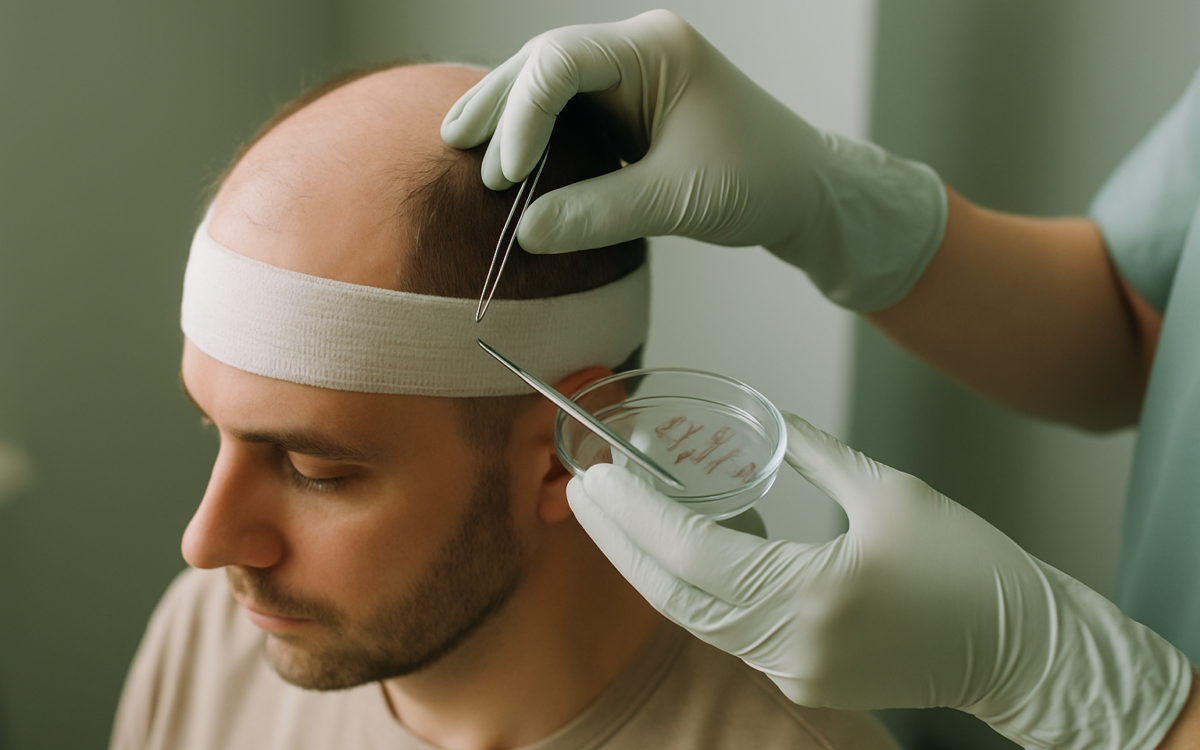
For many men, thinning hair or baldness can significantly impact self-esteem and confidence. This concern has led to a significant interest in hair restoration techniques, particularly hair grafts. Hair grafts involve transferring hair follicles from one part of the body to another, often used to combat male pattern baldness. In this article, we delve into the details of hair grafts for men, outlining how the procedure works, its benefits, and what you should know before considering this option.
What are Hair Grafts?
Hair grafts are a surgical procedure used to restore hair in areas where it has been lost. The basic idea is to move hair follicles from a thicker growth area, usually the back or sides of the head, to the thinning or balding spots. This method is commonly referred to as a hair transplant.
There are two primary techniques for hair grafting:
- FUT (Follicular Unit Transplantation): This method involves removing a strip of scalp from the donor area, which is then dissected into individual follicular units and implanted into the balding area.
- FUE (Follicular Unit Extraction): In this technique, individual hair follicles are extracted directly from the donor area and transplanted without needing to remove a strip of scalp.
Benefits of Hair Grafts
Hair grafts are not just about aesthetics; they also offer several practical benefits:
- Natural Appearance: Since the hair is taken from your own scalp, the results tend to look natural. The hair continues to grow in its new location, blending in with the surrounding hair.
- Long-Lasting Results: Hair grafts offer a permanent solution to hair loss. Once transplanted, the hair continues to grow for a lifetime, although some men may require touch-up procedures.
- Boost in Confidence: For many men, restoring their hair can significantly improve their self-esteem and body image, leading to a more positive outlook on life.
Considerations Before Getting Hair Grafts
While hair grafts can be effective, there are several factors you should consider before undergoing the procedure:
- Cost: Hair graft procedures can be pricey, often ranging from a few thousand to tens of thousands of dollars, depending on the extent of the work required.
- Recovery Time: After the procedure, there will be a recovery period during which you may experience swelling, pain, or tenderness in the treated area. Most men can return to work within a week, but full recovery can take several weeks.
- Potential Side Effects: Like any surgical procedure, hair grafts come with risks, including infection, scarring, and uneven hair growth. Be sure to discuss these with your doctor.
The Ideal Candidate for Hair Grafts
Not every man is a suitable candidate for hair grafts. Factors that can affect your eligibility include:
- Age: While there is no strict age limit, men are typically more successful candidates once they have reached an age where their hair loss pattern has stabilized. This often suggests a minimum age of mid-20s.
- Degree of Hair Loss: Men with early stages of hair loss may benefit the most, while those with significant thinning or baldness may require more extensive treatment.
- Hair Type: The texture, color, and thickness of your hair can influence the effectiveness of the transplant as well.
Finding a Skilled Surgeon
Choosing the right surgeon for your hair graft procedure is critical. Look for a board-certified dermatologist or plastic surgeon with extensive experience in hair restoration. Recommendations from previous patients, patient reviews, and professional memberships in organizations like the American Hair Loss Association can be helpful in your search.
Before making a decision, schedule consultations with potential surgeons to discuss your goals and concerns. During these meetings, pay attention to their communication style and honest responses to your questions.
Aftercare and Maintenance
Once you’ve undergone a hair graft, there are specific aftercare instructions to follow to ensure the best results:
- Keep the Area Clean: Follow the surgeon’s guidelines for washing and caring for your scalp post-surgery.
- Avoid Strenuous Activity: Refrain from heavy exercise or activities that could cause sweating for at least a week after the procedure.
- Regular Follow-Ups: Attend all scheduled follow-up appointments so your surgeon can monitor your recovery and results.
When to See a Doctor
If you experience excessive swelling, bleeding, or signs of infection such as fever or unusual redness following the procedure, consult your doctor immediately. Additionally, if you notice uneven hair growth or are concerned about the results, reach out to your surgeon to discuss options.
For further resources about hair loss and restoration methods, the National Institutes of Health (NIH) and the Mayo Clinic provide excellent information on hair loss treatments and surgical options.
Conclusion
Hair grafts can be an effective solution for men dealing with hair loss, providing natural-looking and long-lasting results. By understanding what the process entails, the benefits, and the considerations involved, you can make a more informed decision about whether this treatment is right for you. Always consult with a qualified medical professional to explore your options and find the best path for your individual needs.
