
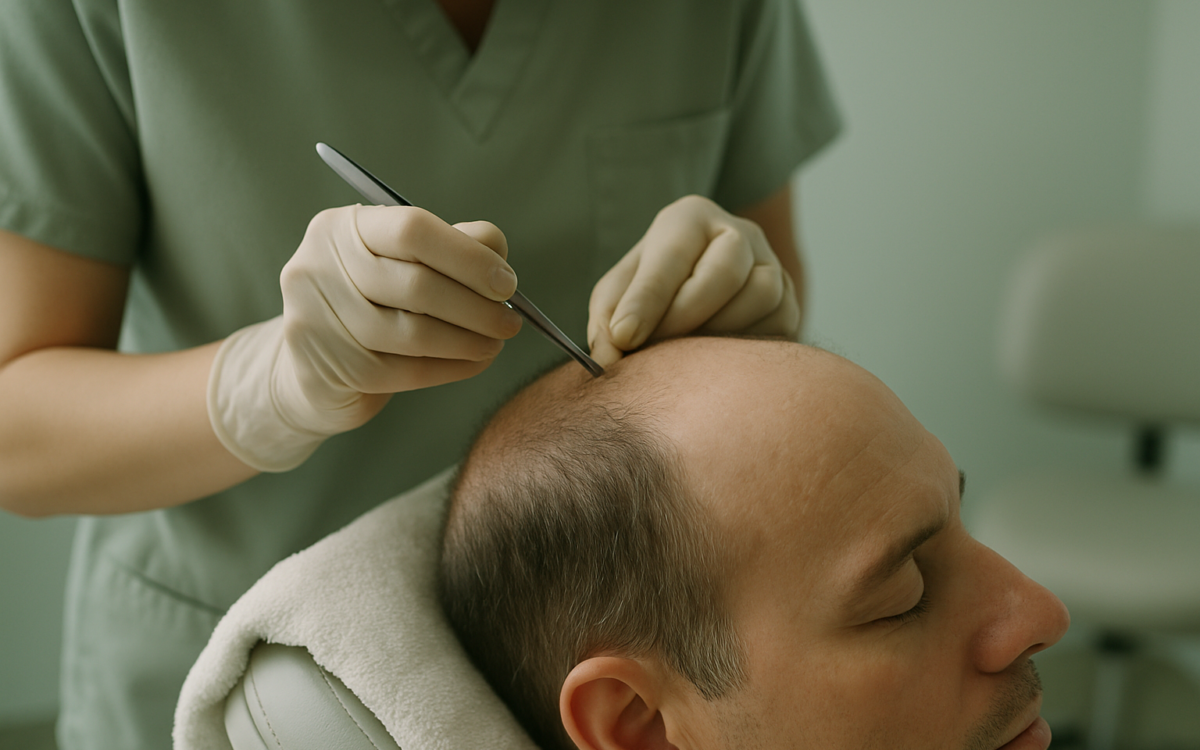
Hair loss can be a challenging experience for many, impacting self-esteem and confidence. Whether it’s due to genetics, stress, or medical conditions, the quest for a solution often leads individuals to consider hair grafts. These procedures have gained popularity over the years, promising a more permanent solution to thinning hair. In this article, we will explore what hair grafts are, the different types, the procedure involved, and what to expect afterward.
What is a Hair Graft?
A hair graft is a surgical procedure that involves the relocation of hair follicles from one part of the body (often the back of the head) to areas experiencing thinning or baldness. The aim is to restore a natural look and enhance hair density in the targeted areas. Hair grafts can be part of hair transplant surgeries and are often a preferred option for those looking for long-term solutions.
Types of Hair Graft Techniques
There are two main techniques for hair grafting: Follicular Unit Transplantation (FUT) and Follicular Unit Extraction (FUE).
Follicular Unit Transplantation (FUT)
FUT, often referred to as the strip method, involves removing a strip of skin with hair from the donor area. This strip is then divided into individual follicular units to be transplanted into the thinning areas. While this method can lead to a larger number of grafts in a single session, it does leave a linear scar at the donor site that can be noticeable if not groomed properly.
Follicular Unit Extraction (FUE)
FUE is a more modern technique where individual hair follicles are extracted directly from the donor area using a specialized instrument. This method is less invasive, does not require stitches, and typically results in less noticeable scarring. However, FUE can be more time-consuming and may be more expensive compared to FUT.
Who is a Good Candidate for Hair Grafting?
Not everyone is a suitable candidate for hair grafting. Ideal candidates typically have:
- A stable pattern of hair loss
- Enough donor hair to transplant
- Good overall health
- Realistic expectations about the results
If you are considering hair grafting, it’s essential to consult with a qualified healthcare provider. They can assess your unique situation and help determine if this treatment is right for you.
What to Expect During the Procedure
The hair graft procedure usually takes several hours and can vary depending on the number of grafts being transplanted. The following steps are commonly involved:
- Consultation: Before surgery, you will meet with your surgeon to discuss your goals, medical history, and treatment plan.
- Anesthesia: Local anesthesia is often administered to minimize discomfort during the procedure.
- Harvesting: Depending on the technique, either strips of hair follicles or individual follicles will be harvested from the donor site.
- Transplanting: The harvested follicles are then carefully placed into the thinning or balding areas of your scalp.
- Aftercare: Post-procedure care instructions will be provided to ensure proper healing and optimal results.
Many individuals return to their normal activities within a few days, but some swelling and discomfort can occur, particularly in the first week following the procedure.
Possible Risks and Considerations
Like any medical procedure, hair grafts come with potential risks. Some of the common risks include:
- Infection
- Scarring
- Unnatural-looking hair growth
- Itching or discomfort
- Temporary shock loss (shedding of newly transplanted hair)
Most side effects are temporary and resolve on their own. It’s crucial to follow your surgeon’s post-operative care instructions to minimize risks and ensure the best possible results.
Considering Treatment in Turkey
For those exploring hair graft options, looking beyond your local options can yield significant benefits. Countries like Turkey have become renowned for their advanced hair restoration techniques and competitive pricing. Many clinics in Turkey offer cutting-edge technology alongside tourism opportunities, making it an appealing destination for individuals considering treatment in Turkey. Researching reputable clinics may provide a cost-effective solution without compromising quality.
When to See a Doctor
If you’re experiencing significant hair loss, or if you’re curious about hair grafting options, consult your healthcare provider. Early consultation can help identify the causes of hair loss and explore the best treatments available.
Understanding hair grafts can empower you to make informed choices about hair restoration. While the journey may require time and patience, the results can lead to a renewed sense of self-confidence and satisfaction. A thorough consultation with a qualified health professional is the first step toward achieving the hair restoration you desire.
