
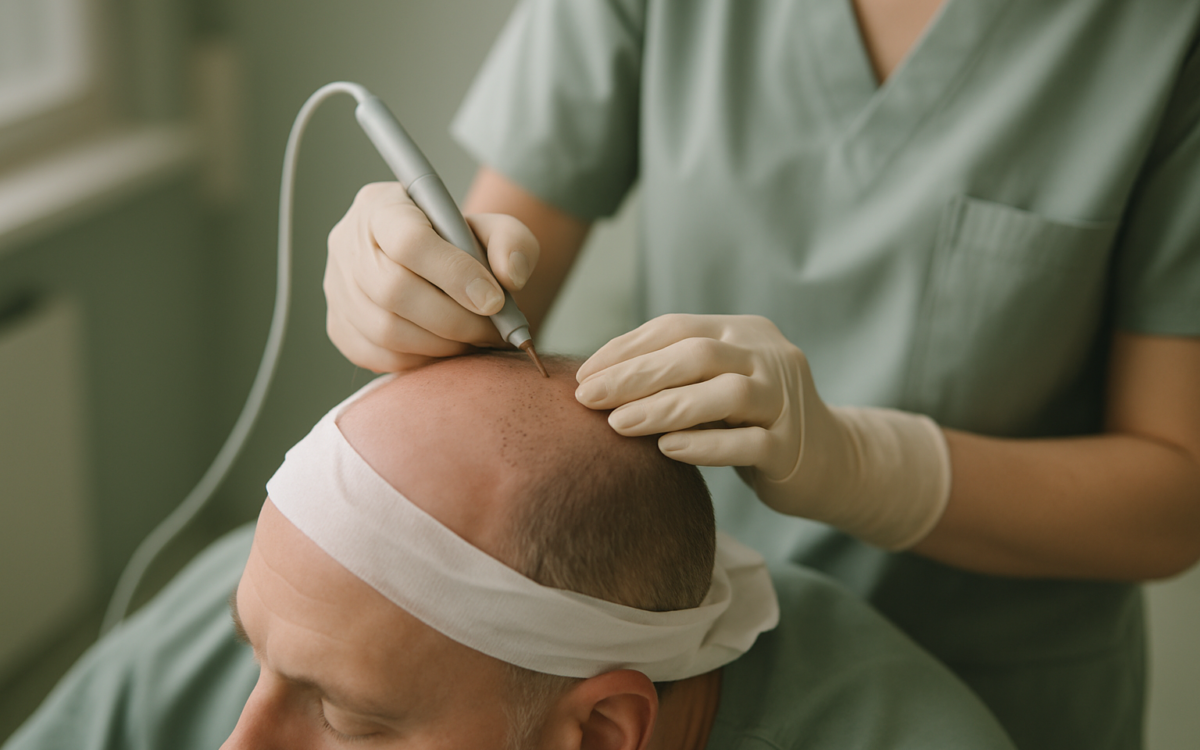
Hair loss can be a challenging experience that affects people of all ages and gender identities. Many seek out solutions that can restore their locks, leading to increased confidence and satisfaction with their appearance. One such solution is a hair growth operation, commonly referred to as a hair transplant or hair restoration surgery. In this article, we will delve into the different types of hair growth operations, the pros and cons, preparation and recovery, and when it’s essential to consult a medical professional.
Types of Hair Growth Operations
Hair growth operations primarily encompass two types: Follicular Unit Transplantation (FUT) and Follicular Unit Extraction (FUE). Each technique has its own procedures and outcomes.
Follicular Unit Transplantation (FUT)
FUT involves removing a strip of skin containing hair follicles from a donor site, usually at the back of the head. The surgeon then extracts individual follicular units from this strip and transplants them into the thinning or balding areas of the scalp. FUT is known for its effectiveness in covering larger areas with hair but may leave a linear scar.
Follicular Unit Extraction (FUE)
FUE, on the other hand, is a less invasive technique where individual hair follicles are extracted directly from the scalp and transplanted to the recipient site. This method does not require removing a strip of skin, which means there is no linear scar. However, FUE may require more time and can sometimes be less efficient for large areas.
Benefits of Hair Growth Operations
Many individuals consider hair growth operations due to their numerous benefits. Here are some of the key advantages:
- Restoration of Confidence: Hair loss can significantly impact self-esteem. Restoring hair through a surgical operation can lead to a renewed sense of confidence.
- Natural Appearance: When performed by a skilled surgeon, hair transplants can yield natural-looking results. The hair grows similarly to the rest of your hair, making it virtually undetectable.
- Long-lasting Results: Unlike topical treatments or medications that may require continuous use, hair growth operations can provide a more permanent solution.
- Minimal Maintenance: Once healed, transplanted hair generally requires the same care as regular hair, eliminating the need for ongoing treatment.
Considerations Before Undergoing a Hair Growth Operation
While hair growth operations have many appealing aspects, there are important factors to consider before proceeding. These include:
- Cost: Hair growth operations can be expensive, often ranging from $4,000 to $15,000 or more, depending on factors such as the method used and the extent of hair loss.
- Realistic Expectations: It’s crucial to understand that while hair transplants can be effective, the results can vary. Some individuals may experience varied levels of hair growth post-surgery.
- Recovery Time: While many recovery experiences are typical, some patients may experience swelling, bruising, or discomfort. Generally, most people return to their normal activities within a week, but full recovery can take months.
- Potential Side Effects: Side effects can include infection, excessive bleeding, and shock loss (temporary shedding of existing hair). It’s essential to discuss these with a healthcare provider.
Preparing for a Hair Growth Operation
If you decide to undergo a hair growth operation, proper preparation is vital for a successful outcome. Here are some steps to consider:
- Consultation: Schedule a thorough consultation with a board-certified dermatologist or a hair restoration specialist. Discuss your medical history, hair loss pattern, and treatment goals.
- Medical Evaluation: Depending on your health, your doctor may perform a physical examination and blood tests to ensure you’re a suitable candidate.
- Avoid Blood Thinners: If you’re taking medications like aspirin or other blood thinners, consult your doctor on when to stop taking them before the procedure.
- Follow Preoperative Instructions: Adhere to any provided guidelines leading up to the surgery, including avoiding alcohol or smoking.
Recovering from a Hair Growth Operation
Recovery experiences can vary from person to person, but here are some common aspects of the recovery process:
- Follow-Up Care: Attending follow-up appointments is essential to monitor healing and ensure the success of the transplants.
- Scabbing and Discomfort: It’s normal to experience scabbing and some pain in the transplant area. Avoid picking at scabs to reduce scarring and promote healing.
- Hair Growth Timeline: Most individuals notice new hair growth within three to four months, although full results may take up to a year.
When to See a Doctor
While many individuals experience routine recovery, consult a doctor if you notice:
- Significant pain or discomfort that doesn’t improve with standard pain relief methods.
- Signs of infection, such as increased redness, swelling, or pus around the surgical site.
- Unusual hair loss or failure of the transplanted hair to grow after six months.
Conclusion
Hair growth operations can offer a promising solution for those struggling with hair loss, providing lasting results that can improve confidence. Always ensure you are fully informed and consult with a healthcare provider to discuss the best options for you. With the right preparation and understanding of the process, you can take significant steps toward restoring your hair and your self-esteem.
