
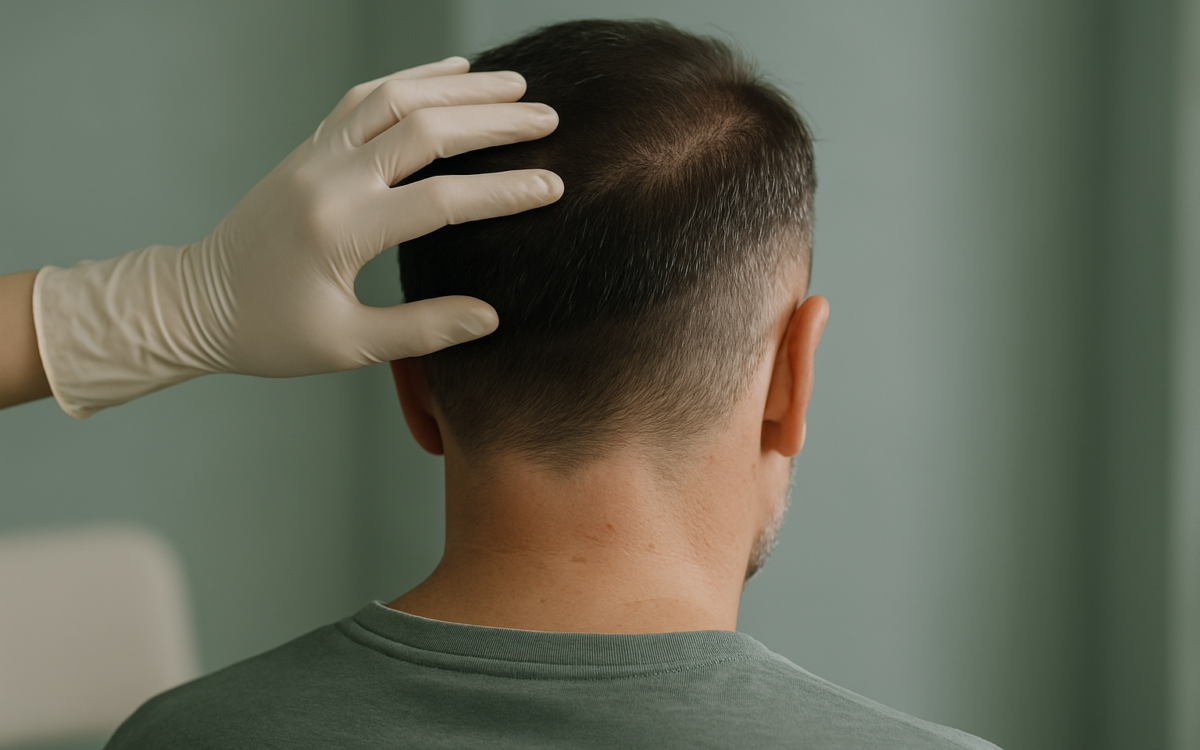
Hair loss can be a frustrating experience, impacting self-esteem and overall quality of life. For many, a hair implant is a solution that promises a fuller head of hair. However, understanding the results of such a procedure is essential for setting realistic expectations. This article explores what you can expect from hair implants, including initial results, recovery time, maintenance, and factors that influence the outcome.
How Hair Implants Work
Before diving into the results of hair implants, it’s important to understand the process itself. Hair implants, often referred to as hair transplants, involve transferring hair follicles from an area of the scalp with dense hair to a balding or thinning area. The two main techniques used in this procedure are:
- Follicular Unit Transplantation (FUT): A strip of skin containing hair follicles is removed, dissected into units, and implanted into the thinning area.
- Follicular Unit Extraction (FUE): Individual hair follicles are extracted directly from the donor area and implanted without the need for removing a strip of skin.
Both methods aim to produce natural-looking hair but may lead to different results in terms of healing and scarring.
What to Expect Immediately After Surgery
After your hair implant procedure, some immediate results can be observed, but it’s crucial to manage your expectations. Patients often notice:
- Swelling: It’s common to experience mild swelling, particularly on the forehead.
- Redness: The implanted areas may appear red, similar to small scabs, and should heal within a few days.
- Shock Loss: Some patients may experience temporary hair loss a few weeks after surgery, which can be distressing but is usually a normal part of the process.
Understanding these initial reactions can help ease concerns as the healing process begins.
Long-Term Hair Implant Results
While immediate results can differ, the real success of hair implants often becomes apparent several months post-surgery. Most patients can expect:
- Visible Growth: New hair typically starts to grow in about three to four months, with more noticeable results around six months.
- Fuller Appearance: By the one-year mark, many patients enjoy significantly improved density and coverage in the treated area.
- Natural Look: A skilled surgeon should provide results that blend seamlessly with existing hair, providing a natural appearance.
It’s important to remember that while many patients are satisfied with their results, outcomes can vary significantly. According to the National Institutes of Health, results may depend on various factors, including the individual’s hair type, the skill of the surgeon, and the extent of hair loss.
Factors Influencing Hair Implant Results
Several factors can influence the success and appearance of hair implants:
- Surgeon Expertise: Choosing a qualified and experienced surgeon is crucial. Their skills significantly affect the aesthetic outcome.
- Donor Hair Quality: The health and density of hair follicles in the donor area can impact how well the implanted hair grows.
- Aftercare: Following post-operative care instructions, including avoiding strenuous activity and protecting the scalp, can aid optimal healing and growth.
It’s advisable to thoroughly research and consult with your doctor to tailor the procedure to your specific hair loss pattern and goals.
Maintaining Your Results
Once you achieve the desired results from your hair implants, ongoing maintenance can help prolong those effects. Consider these tips:
- Healthy Diet: Eating a balanced diet rich in vitamins and minerals can support hair health. Nutrients such as zinc, biotin, and omega-3 fatty acids are beneficial.
- Gentle Hair Care: Use gentle, sulfate-free shampoos and avoid harsh styling products that can damage newly grown hair.
- Regular Follow-Ups: Maintain regular check-ups with your healthcare provider to monitor your hair growth and address any concerns.
When to See a Doctor
If you notice signs of infection, such as increased redness, swelling, or discharge at the implant site, or if you experience persistent pain, consult your doctor. Additionally, if you do not see noticeable hair growth within the expected time frame, it’s important to discuss these concerns.
Conclusion
Hair implants offer promising results for individuals looking to restore their hair and confidence. By understanding the procedure, expected outcomes, factors influencing results, and the importance of maintenance, you can feel more prepared to embark on your hair restoration journey. Always consult your healthcare provider for personalized advice tailored to your unique situation.
