
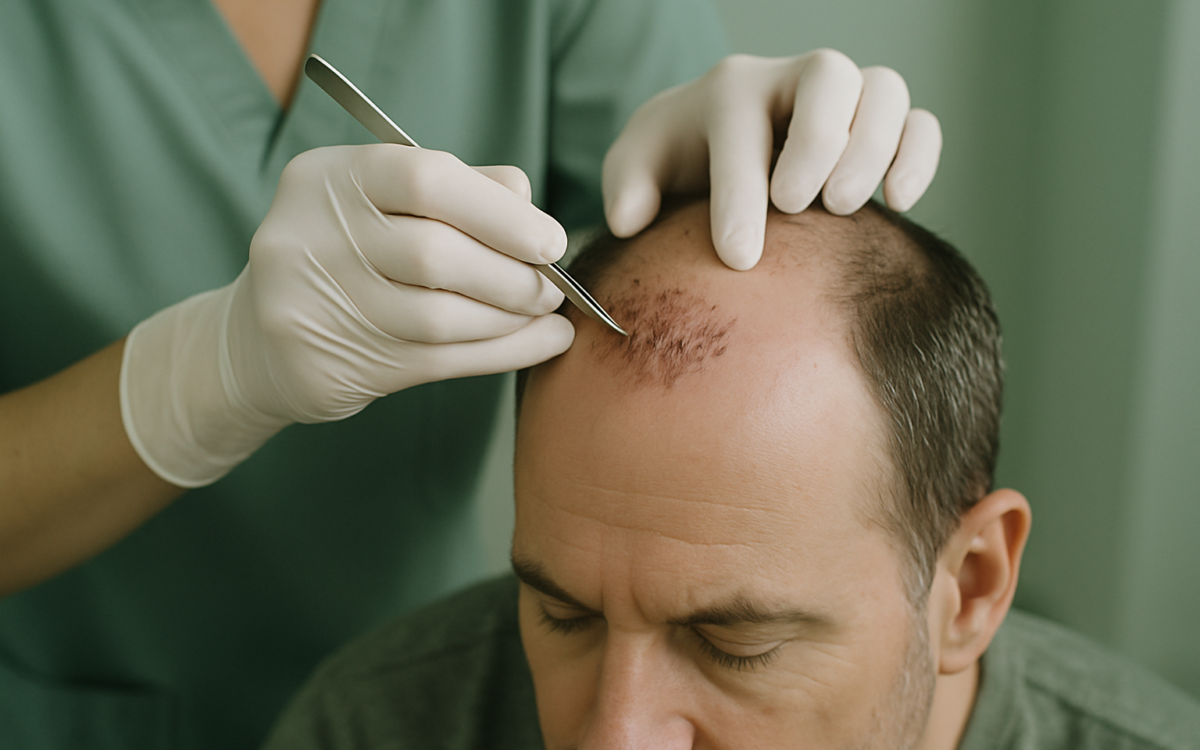
Hair loss can be a challenging experience for many, leading to a search for solutions that boost self-esteem and restore a sense of normalcy. One of the options that have gained attention is hair plugs, a form of hair restoration that has evolved significantly over the years. In this article, we will delve into the details of hair plugs, including their history, present techniques, benefits, and considerations.
What Are Hair Plugs?
Hair plugs originated in the 1950s and were one of the earliest forms of hair transplantation. The process involves taking hair follicles from a donor site, typically the back of the head, and transplanting them to bald or thinning areas. The result can create fuller-looking hair; however, early techniques often left patients with a distinctive “doll-like” appearance due to large, grafted sections of hair. Fortunately, advancements in technology and techniques have greatly improved outcomes.
The Evolution of Hair Restoration Techniques
Modern hair restoration has come a long way since the days of large hair plugs. Today’s techniques focus on creating a more natural look. There are two primary methods of hair transplantation:
- Follicular Unit Transplantation (FUT): This method involves removing a strip of skin from the donor area, which is then divided into smaller grafts. This allows for a higher number of follicles to be transplanted in one session.
- Follicular Unit Extraction (FUE): FUE involves harvesting individual hair follicles one by one, reducing scarring and providing a more natural appearance. This technique is less invasive compared to FUT.
The choice of method often depends on the patient’s specific needs and the physician’s recommendation.
Benefits of Hair Plugs
Many individuals considering hair plugs do so because of the various benefits they offer:
- Improved Appearance: One of the most significant benefits is the restoration of a full head of hair, which can enhance self-esteem and improve one’s image.
- Long-Lasting Results: Hair plugs provide a permanent solution for hair loss, as the hair follicles are taken from areas resistant to balding.
- Minimal Maintenance: Once the transplanted hair begins to grow, it generally requires the same care as natural hair, eliminating the need for special treatments.
These benefits lead many to consider hair plugs as an effective solution for hair loss.
Potential Risks and Side Effects
While hair plugs are generally safe, it is essential to understand that they come with potential risks and side effects. Some of the most common concerns include:
- Infection: As with any surgical procedure, there is a risk of infection at the site of transplantation.
- Scarring: Depending on the technique used, scarring may occur, which can be more noticeable with the FUT method.
- Unnatural Appearance: If not performed correctly, hair plugs can result in an unnatural look, especially with larger grafts.
It’s crucial to consult with a qualified professional to discuss these risks and ensure careful planning and execution.
Choosing the Right Specialist
When considering hair plugs, choosing the right specialist is paramount. Look for a board-certified dermatologist or surgeon specializing in hair restoration. Here are some factors to consider:
- Experience: Ask about their experience and training in hair restoration procedures.
- Before and After Photos: Reviewing previous patients’ results can offer insights into the specialist’s skill.
- Personalized Consultation: A good specialist will discuss your unique situation, treatment options, and potential outcomes.
Taking the time to find the right doctor can significantly impact the results of the procedure.
Costs of Hair Plugs
The cost of hair plugs can vary widely based on factors such as the technique used, the extent of hair loss, and the location of the clinic. On average, the cost can range from $4,000 to $15,000. Most insurance plans do not cover hair restoration as it is considered a cosmetic procedure, so it’s helpful to inquire about payment options and financing plans with your chosen clinic.
When to See a Doctor
If you’re experiencing significant hair loss and are unsure about treatment options, it’s essential to speak with a healthcare provider. They can help determine the cause of your hair loss and discuss whether hair plugs or other treatments might be appropriate. Additionally, if you have concerns about potential side effects or complications from hair restoration procedures, consulting your doctor is also a wise decision.
In summary, hair plugs have evolved from their early days into a more natural and effective solution for hair loss. Understanding the different techniques, benefits, risks, and costs can help you make an informed decision if you consider this option. Always consult with a knowledgeable professional to discuss your specific situation, and remember that various treatment options are available to address hair loss.
