
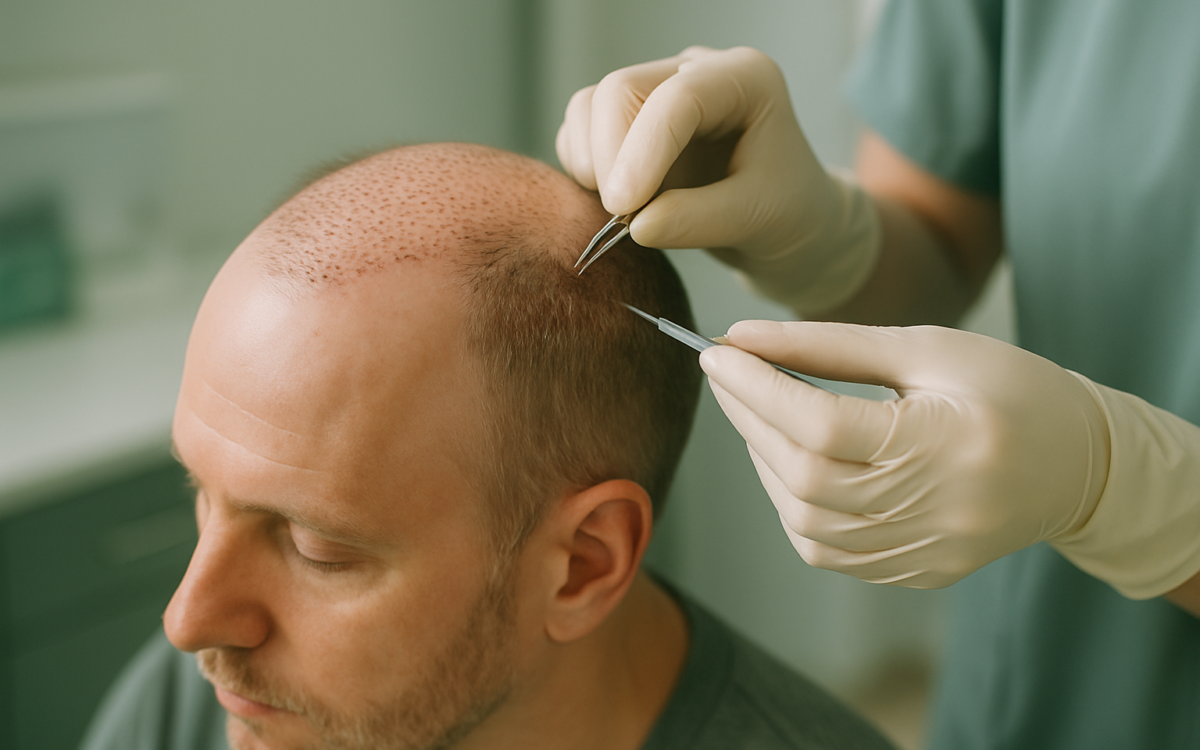
For many men, hair loss is a normal part of aging, but that doesn’t make it any easier to cope with. The emotional impact of balding can lead to feelings of self-consciousness or diminished confidence. Fortunately, there are a variety of hair restoration options available. One of the most well-known methods is the use of hair plugs. In this article, we’ll explore what hair plugs are, how the procedure works, and what results you can expect.
What Are Hair Plugs?
Hair plugs are a common term for a type of hair restoration technique known as hair transplantation. This process involves taking hair follicles from a donor site—often the back of the head—and transplanting them to areas where hair is thinning or has completely stopped growing. The procedure aims to provide a natural appearance and restore a fuller head of hair.
How the Hair Plug Procedure Works
The hair transplant process generally consists of several steps:
- Consultation: Before any procedure, you’ll meet with a specialist to discuss your hair loss, medical history, and desired outcomes. This is a good opportunity to ask questions and understand the potential risks.
- Preparation: On the day of the procedure, your scalp will be evaluated, and hair follicles will be harvested. This can be done using two main methods:
- Follicular Unit Transplantation (FUT): A strip of skin containing hair follicles is removed.
- Follicular Unit Extraction (FUE): Individual hair follicles are extracted directly from the scalp.
- Transplantation: Once the follicles are removed, they are carefully implanted into the thinning or balding areas. Surgeons usually create small incisions to ensure that the hair integrates seamlessly with existing hair.
Benefits of Hair Plugs
Choosing to undergo a hair plug procedure comes with several benefits:
- Natural Appearance: When done correctly, hair plugs can blend well with existing hair, creating a natural look.
- Permanent Results: Once hair follicles are transplanted and take root, they are typically permanent, meaning you won’t have to worry about them falling out like traditional hairpieces.
- Boost in Confidence: Many men report improved self-esteem and confidence following the procedure. A new head of fuller hair can positively impact personal and professional life.
Potential Risks and Considerations
As with any medical procedure, hair plugs come with their own set of risks and considerations:
- Infection: Although rare, any surgical procedure can pose a risk of infection. Keeping the area clean is essential for minimizing this risk.
- Scarring: Depending on the method used, some men may experience scarring, particularly with FUT. Scarring can affect the final appearance if not managed properly.
- Results May Vary: Not all hair plugs result in the desired fullness or natural look. The success can depend on various factors, including the skill of the surgeon and the quality of the donor hair.
Recovery and Aftercare
After the procedure, understanding how to care for your scalp is crucial for optimal recovery:
- Avoid Touching: For the first few days, do your best to avoid touching or scratching the transplant area. This helps prevent dislodging the newly implanted follicles.
- Follow Your Doctor’s Instructions: Your surgeon will provide you with specific aftercare instructions. Make sure to adhere to these guidelines for the best outcomes.
- Be Patient: It may take several months for the transplanted hair to begin growing. Hair typically enters a shedding phase before new growth occurs.
Comparing Hair Plugs to Other Treatments
In addition to hair plugs, various treatments are available for hair loss. Here’s how they compare:
- Minoxidil (Rogaine): An FDA-approved topical treatment that encourages hair growth for some. However, it must be used continuously for effectiveness.
- Finasteride (Propecia): An oral medication that can help prevent hair loss but may come with side effects. Regular consultations with a healthcare provider are essential while on this treatment.
- Laser Therapy: Low-level laser therapy can stimulate hair growth and is a non-invasive option to explore.
When to See a Doctor
If you’re considering hair plugs, it’s essential to discuss your options with a healthcare provider. They can help you understand which treatments might be most effective for you and clarify any concerns. Additionally, seek immediate medical attention if you notice signs of infection (redness, swelling, fever) or if you’re suffering from severe pain that does not improve.
Conclusion
Hair plugs can be a life-changing solution for men struggling with hair loss. By understanding the procedures, potential benefits, and considerations, you’ll be better equipped to make informed decisions about your hair restoration journey. Always consult with a qualified healthcare provider to navigate your options safely.
