
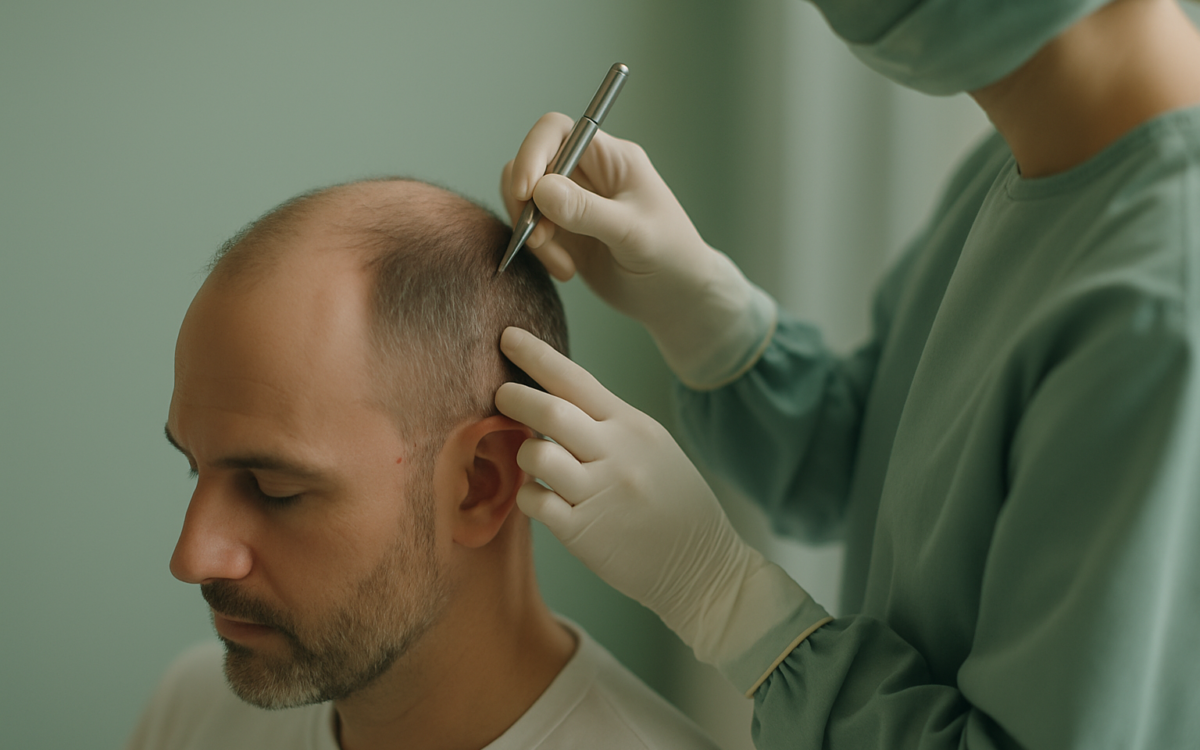
Hair loss can be a challenging experience for many people, impacting self-esteem and overall confidence. Fortunately, there are various methods of hair restoration, with hair transplants being one of the most popular options. This article delves into what hair transplants entail, their benefits, types, recovery process, and more.
What Is a Hair Transplant?
A hair transplant is a surgical procedure that involves moving hair follicles from one part of the body (the donor site) to another (the recipient site). This procedure is most commonly used to treat male pattern baldness but is also effective for women experiencing hair thinning. The goal is to restore hair in a natural-looking way, allowing individuals to regain their former appearance.
Types of Hair Transplant Techniques
There are primarily two types of hair transplant techniques:
- Follicular Unit Transplantation (FUT): Also known as the strip method, FUT involves removing a strip of skin containing hair follicles from the donor site. The area is then stitched up, and the follicles are carefully dissected and then implanted into the balding areas.
- Follicular Unit Extraction (FUE): In this method, individual hair follicles are extracted directly from the donor site using a small punch tool. This technique is less invasive and leaves tiny, circular scars that are less noticeable compared to the linear scar from FUT.
Benefits of Hair Transplants
Hair transplants offer several advantages for those dealing with hair loss:
- Permanent Solution: Hair transplants provide a long-term solution as the transplanted hair grows naturally and can be treated as your normal hair.
- Natural Appearance: When performed by a skilled surgeon, hair transplants can yield natural-looking results, enhancing your appearance effectively.
- Boosts Confidence: Restoring hair can significantly improve self-esteem and confidence, allowing individuals to feel better about their looks.
Who Is a Good Candidate for Hair Transplants?
Not everyone is an ideal candidate for a hair transplant. Good candidates typically include:
- Individuals with sufficient hair at the donor site.
- Adults experiencing male or female pattern baldness.
- People with healthy hair growth in areas other than the thinning or bald spots.
However, factors like age, hair type, and pattern of hair loss can influence eligibility. A healthcare professional will conduct a thorough evaluation to determine if hair transplantation is a suitable option.
What to Expect During the Procedure
The hair transplant procedure usually takes several hours, and patients can expect the following:
- Consultation: Before the procedure, a consultation with a healthcare provider will occur to discuss expectations, determine goals, and address any concerns.
- Anaesthesia: Local anaesthesia is typically used to minimize discomfort during the procedure.
- Hair Follicle Removal: Depending on the method (FUT or FUE), the surgeon will either remove a strip of skin or extract individual follicles.
- Implantation: The harvested follicles are meticulously placed in the balding or thinning areas to ensure natural growth patterns.
Recovery Process
After the procedure, it’s important to follow post-operative care instructions carefully. Recovery typically involves:
- Managing swelling and discomfort with prescribed medication.
- Avoiding strenuous activities for a few days.
- Keeping the scalp clean and protected.
- Avoiding exposing the scalp to direct sunlight for several weeks.
Most patients can return to their normal activities within a week, but complete recovery can take several months as the transplanted hair follicles establish themselves and begin to grow.
Possible Risks and Considerations
While hair transplants are generally safe, some potential risks include:
- Infection at the donor or recipient site.
- Scarring.
- Shock loss, where existing hair may temporarily fall out after the procedure.
Discussing these risks with a healthcare provider during the consultation can help set realistic expectations.
Financing and Alternatives
Hair transplants can be a significant financial commitment. Costs vary based on factors like the extent of hair loss and the technique used. It’s wise to consider alternative treatments that may be less invasive, such as:
- Medications like Minoxidil or Finasteride to help slow hair loss.
- Low-level laser therapy (LLLT) that promotes hair growth.
- Platelet-rich plasma (PRP) therapy, which uses components of your blood to stimulate hair growth.
When to See a Doctor
If you are experiencing noticeable hair loss or are concerned about thinning hair, it is essential to consult with a healthcare professional. They can evaluate your condition and discuss potential treatment options to address your concerns.
For more information on hair health, check out the resources from the Mayo Clinic and the National Institutes of Health.
Ultimately, choosing a hair restoration option is a personal decision that should be made with thorough research and professional guidance. By understanding the ins and outs of hair transplants, individuals can better navigate their paths to regain their confidence and achieve their desired appearance.
