
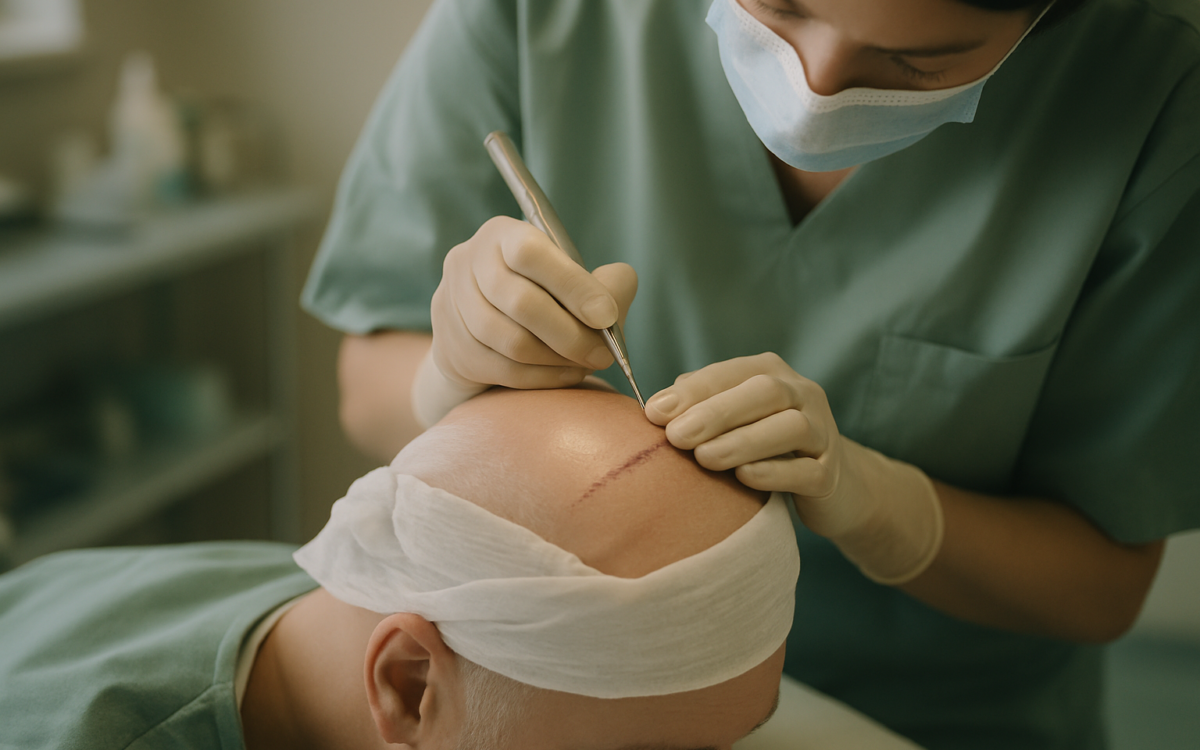
Hair loss can be a challenging experience, affecting self-esteem and confidence for many people. Fortunately, one effective solution to restore hair is undergoing a hair transplant procedure. This article delves into the details of hair transplant procedures, exploring how they work, the different types available, and what individuals can expect throughout the process.
What is a Hair Transplant Procedure?
A hair transplant is a surgical technique that relocates hair follicles from one part of the body, known as the donor site, to another area experiencing hair loss, referred to as the recipient site. Most hair transplants target areas on the scalp but can also be applied to eyebrows, facial hair, and other sections of the body where hair growth is desired.
How Does the Procedure Work?
The hair transplant involves several steps, which can vary based on the chosen technique. Here’s an overview of the basic process:
- Consultation: The journey begins with an initial consultation, where a hair restoration specialist evaluates the patient’s hair loss pattern, scalp condition, and medical history.
- Designing the Hairline: Together, the specialist and the patient will establish a personalized hairline during the consultation, taking into account natural looks and facial symmetry.
- Donor Site Preparation: Hair is typically taken from the back or sides of the head, where hair is denser and less prone to balding.
- Transplantation: The surgeon extracts hair follicles and implants them into the specified areas.
- Post-Procedure Care: Instructions for care after the transplant are provided to ensure optimal healing and hair growth.
Types of Hair Transplant Procedures
There are primarily two types of hair transplant techniques: Follicular Unit Transplantation (FUT) and Follicular Unit Extraction (FUE). Understanding these methods can help individuals decide which is right for them.
Follicular Unit Transplantation (FUT)
FUT involves removing a strip of skin from the scalp, which contains hair follicles. After the strip is harvested, the surgeon dissects it into individual follicular units or grafts, which are then carefully implanted into the thinning or balding areas. While FUT can result in a linear scar, it often yields high-density results, making it suitable for individuals requiring larger amounts of hair.
Follicular Unit Extraction (FUE)
FUE differs from FUT in its approach. Instead of removing a strip, individual hair follicles are extracted directly from the scalp using a special tool. This method is less invasive, leading to minimal scarring and a quicker recovery. However, it is generally more time-consuming and may require more sessions for large transplant areas.
Benefits of Hair Transplant Procedures
There are numerous benefits to undergoing a hair transplant:
- Natural Results: Transplanted hair typically looks and feels natural because it comes from the patient’s own scalp.
- Long-Lasting Effects: While some hair loss may still occur, the transplanted hair is usually permanent, providing a lasting solution.
- Boosted Confidence: Restoring hair can significantly enhance self-esteem and improve overall quality of life.
What to Expect During Recovery
Post-procedure recovery is crucial for achieving the desired results. Here’s what to expect:
- Initial Healing: The scalp may be sensitive, swollen, and slightly sore for a few days after the procedure. This is typically managed with prescribed medications.
- Scabbing: It’s common for small crusts or scabs to form at the implant sites, but these usually heal within a week.
- Hair Shedding: Many patients experience shock loss, where transplanted hair falls out within the first few weeks. This is normal and often temporary; new hair growth usually follows in 3 to 6 months.
Potential Risks and Considerations
While hair transplants are generally safe, they do carry potential risks:
- Infection: As with any surgical procedure, there is a risk of infection.
- Scarring: Scarring can occur, particularly with the FUT method.
- Unnatural Appearance: If not done correctly, results may appear unnatural or uneven. Choosing a qualified, experienced surgeon is crucial to achieving the best possible results.
When to See a Doctor
If you notice sudden or excessive hair loss, scalp irritation, or have concerns about hair thinning, consulting a healthcare professional or dermatologist is advised. They can evaluate your condition and recommend appropriate interventions.
Conclusion
Hair transplant procedures offer hope for many individuals struggling with hair loss. Understanding the types of procedures available, the benefits, and the entire process can help you make informed decisions. Always consult a healthcare professional for personalized advice tailored to your specific situation. The journey to restoring confidence through hair can be transformative, and with the right information, you can take the first step towards revitalizing your look.
