
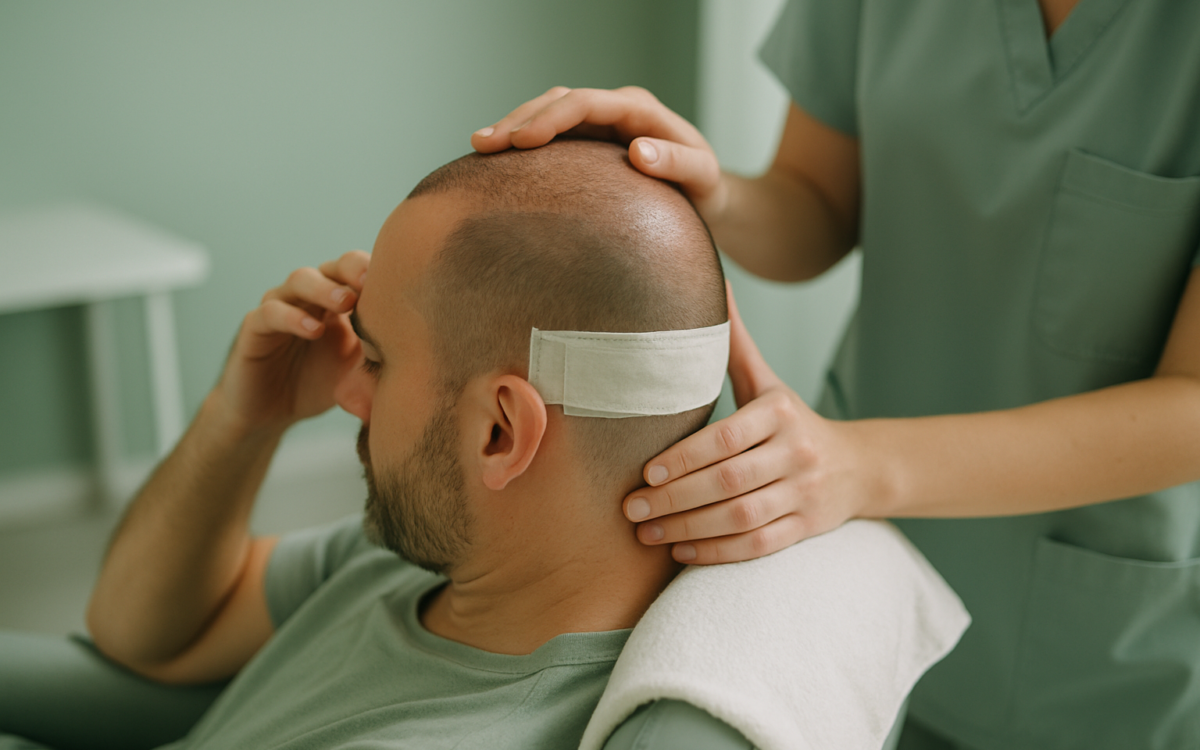
Thinking about a hair transplant? You’re not alone. Many people seek this popular solution for hair loss to regain confidence and a fuller head of hair. But once the procedure is over, an important aspect to consider is the recovery time. Understanding what to expect in the days, weeks, and months following the surgery can make all the difference in achieving the best results.
What Happens During a Hair Transplant?
Before we dive into recovery, let’s briefly cover what happens during a hair transplant. The procedure usually involves moving hair follicles from a donor site, often the back of the head, to areas experiencing thinning or baldness. There are different techniques for this, including Follicular Unit Transplantation (FUT) and Follicular Unit Extraction (FUE).
The Immediate Post-Operative Period
After your procedure, the first few days are crucial for recovery. You will likely experience some swelling, redness, and discomfort in the transplant area. Here’s what you can expect:
- First 24 hours: Take it easy. Avoid strenuous activities and keep your head elevated to minimize swelling.
- Days 2-3: Swelling may peak during this time, particularly around the forehead and eyes. Ice packs can help manage discomfort.
- Days 4-7: You can resume light activities, but still need to avoid rigorous exercise. Sometimes scabs will begin to form on the newly transplanted hair follicles.
Longer-Term Recovery: Weeks to Months
The first few weeks are only the beginning. Over the next few months, your recovery continues:
- Weeks 1-2: Gentle washing of hair with a mild shampoo is encouraged. Avoid using hot water or vigorous scrubbing on the transplant area.
- Weeks 3-4: Scabs should start to fall off, and itching may occur. Patience is key during this phase as you may not see immediate hair growth.
- Months 1-3: Hair loss in the transplanted area, often termed “shock loss,” can be expected. This is normal and temporary. New hair growth typically starts to become visible around the 3-month mark.
Key Factors Affecting Recovery Time
Every individual’s recovery experience is unique. Several factors can influence how quickly and comfortably you heal:
- Technique Used: FUE tends to have a quicker recovery than FUT due to less invasive methods.
- Individual Health: Pre-existing health conditions, medications, and lifestyle choices can play significant roles in healing.
- Aftercare: Following your surgeon’s aftercare instructions can enhance recovery. Avoid smoking and alcohol, as they can impede the healing process.
Tips for a Smooth Recovery
To ensure your recovery goes as smoothly as possible, consider these helpful tips:
- Follow all post-operative instructions from your doctor.
- Keep the transplanted area clean but be gentle during cleansing.
- Stay hydrated and eat a balanced diet to support healing.
- Limit sun exposure on your scalp to prevent irritation.
- Avoid swimming pools and hot tubs for at least a few weeks.
Possible Complications During Recovery
While complications are rare, it’s important to understand what signs to watch for during recovery:
- Increased redness or swelling: If these symptoms worsen rather than improve, seek medical advice.
- Fever: A fever may indicate an infection.
- Abnormal pain: If pain doesn’t subside with prescribed medications, it’s worth checking in with your surgical team.
When to See a Doctor
If you notice any of the following symptoms, it’s important to reach out to your healthcare provider:
- Signs of infection, like pus.
- Severe pain not managed by standard pain relief.
- Changes in scalp that worry you, such as increased hair loss.
Conclusion
Understanding hair transplant recovery time is key to your overall experience. By setting realistic expectations for the healing process and following your surgeon’s guidelines, you can help ensure the best possible outcome. Remember, every individual’s journey is different. If you have concerns during your recovery, always consult your healthcare provider for guidance and support. With patience and care, you’ll be on your way to enjoying the benefits of your newly restored hair!
