
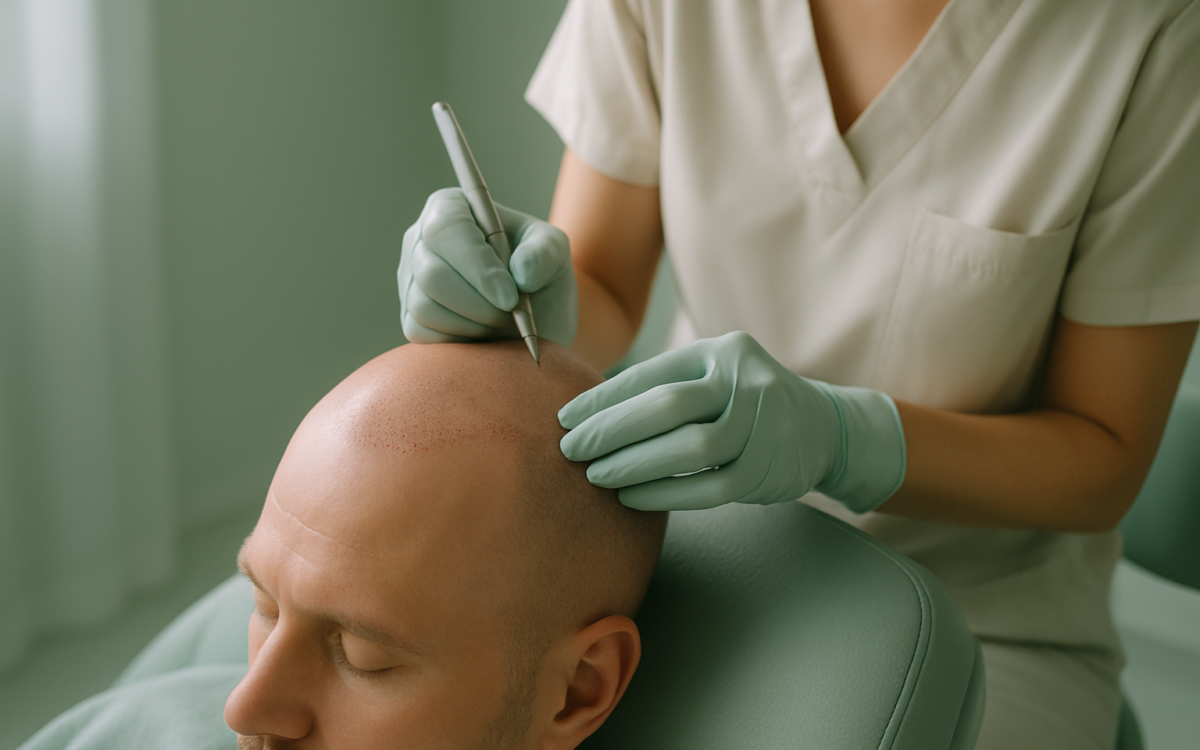
Hair loss can be a distressing experience for many, impacting self-esteem and overall confidence. For those seeking solutions, hair transplantation offers a surgical option to restore hair growth and improve appearance. This procedure has gained popularity over the years due to advances in techniques and technology. In this article, we will explore how hair transplantation works, the different techniques available, benefits, potential risks, and the importance of consulting a medical professional.
What Is Hair Transplantation?
Hair transplantation is a surgical procedure that involves moving hair follicles from one part of the body, typically the back or sides of the scalp, to areas experiencing thinning or baldness. This method capitalizes on the fact that hair follicles from these donor areas are often resistant to the hormonal changes that can cause hair loss. The result is a fuller head of hair in the thinning or bald areas.
Common Techniques in Hair Transplantation
There are primarily two established techniques for hair transplantation: Follicular Unit Extraction (FUE) and Follicular Unit Transplantation (FUT).
Follicular Unit Extraction (FUE)
FUE is a minimally invasive technique where individual hair follicles are extracted from the donor area using a specialized instrument. This method leaves small, round scars that are less noticeable than the linear scars typically associated with FUT. FUE is usually favored for its faster recovery time and reduced discomfort.
Follicular Unit Transplantation (FUT)
FUT involves removing a strip of skin from the donor area, which is then dissected into individual hair grafts under a microscope. This technique may provide a higher number of follicles in a single session but can leave a more noticeable linear scar. It may be a suitable option for individuals requiring a significant number of grafts.
Benefits of Hair Transplantation
Hair transplantation offers several benefits for those suffering from hair loss:
- Natural-looking results: Hair follicles are your own, creating a seamless blend with existing hair.
- Permanent solution: Transplanted hair follicles stay in the scalp permanently as they are resistant to hair loss.
- Improved self-esteem: Many individuals report significant boosts in confidence after hair restoration.
- Low maintenance: Once transplanted hair grows, it typically requires little special care.
Potential Risks and Side Effects
Like any surgical procedure, hair transplantation comes with its own set of risks and potential complications:
- Infection: There is a risk of infection at the donor or recipient site.
- Scarring: Both FUE and FUT can lead to scarring, although the appearance varies between techniques.
- Shock loss: Temporary loss of existing hair around the transplantation area can occur after the procedure.
- Incomplete hair growth: Not all transplanted follicles may survive, resulting in uneven hair density.
Preparing for Hair Transplantation
Before undergoing a hair transplant, individuals should engage in thorough discussions with their healthcare provider. Important considerations may include:
- Medical history: Discuss any underlying health conditions that may impact surgery.
- Medications: Some medications, including blood thinners, should be avoided prior to surgery.
- Expectations: Understanding the realistic outcomes and limitations of the procedure is crucial.
Recovery and Aftercare
After the transplantation, recovery times can vary depending on the technique used and individual healing processes. Generally, patients can expect to:
- Avoid strenuous activities for several days to reduce swelling.
- Keep the scalp clean and follow any specific care instructions provided by the surgeon.
- Be patient, as it can take several months for transplanted hair to start growing visibly.
Regular follow-ups with the healthcare provider will help monitor the recovery process and address any concerns.
When to See a Doctor
If you are considering hair transplantation, it is essential to consult a qualified healthcare professional to evaluate your individual circumstances. Make an appointment if you experience:
- Significant hair loss affecting your appearance.
- Symptoms of infection, such as increased redness or discharge.
- Concerns about your current hair loss treatment methods.
Conclusion
Hair transplantation has become an effective solution for those dealing with hair loss, providing a natural-looking and permanent result. Understanding the procedures, risks, and benefits involved is vital in making an informed decision. If you are considering this option, reach out for professional guidance to ensure that you are a suitable candidate and to discuss what’s best for your unique situation. Educated choices lead to better outcomes.
