
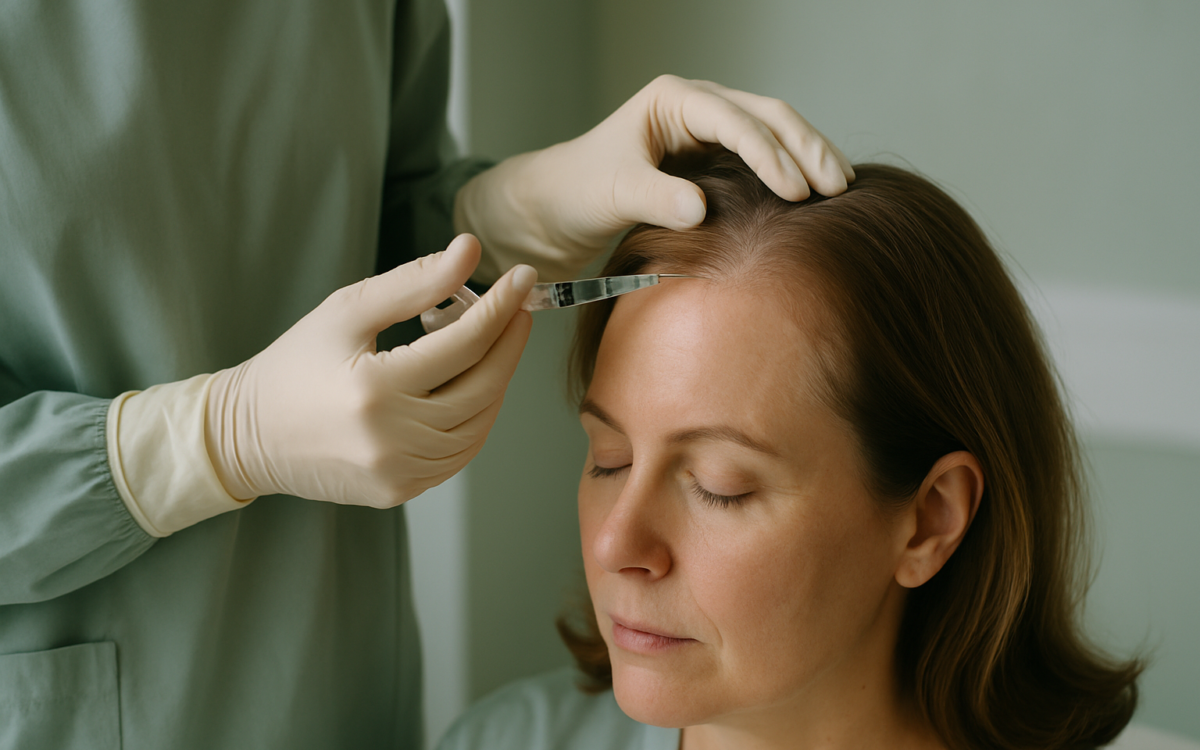
For many women, hair loss can be an emotional experience that affects self-esteem and confidence. Factors such as genetics, hormonal changes, and medical conditions contribute to varying degrees of hair thinning and loss. Fortunately, hair transplants are an option many women are exploring to restore their hair line and improve their overall appearance. In this article, we will delve into what hair transplants for women entail, who is a good candidate, the process itself, potential risks, and what to expect during recovery.
What Causes Hair Loss in Women?
Understanding the underlying causes of hair loss is crucial for considering hair transplant options. Several factors can contribute:
- Genetic Factors: Hereditary conditions like androgenetic alopecia affect many women as they age, causing gradual hair thinning.
- Hormonal Changes: Events such as pregnancy, menopause, or conditions like polycystic ovary syndrome (PCOS) can lead to fluctuations in hair growth.
- Medical Conditions: Some diseases, such as thyroid disorders and autoimmune diseases, can contribute to hair loss.
- Stress: Physical or emotional stress can disrupt the hair growth cycle.
Identifying the cause of hair loss is the first step in determining appropriate treatment options. Consult a healthcare provider or dermatologist if you’re experiencing significant hair thinning.
What is a Hair Transplant?
A hair transplant is a surgical procedure that involves moving hair follicles from one part of the body (donor site) to another (recipient site), usually the scalp. The most commonly used techniques are:
- Follicular Unit Transplantation (FUT): This method involves removing a strip of scalp with healthy hair follicles and then dissecting it into individual grafts.
- Follicular Unit Extraction (FUE): In this technique, individual hair follicles are extracted directly from the scalp, eliminating the need for a linear scar.
Both methods have their advantages, and the selection often depends on the individual’s unique situation and the recommendation of the healthcare provider. For more specific details on hair restoration, visit the Mayo Clinic.
Who is a Good Candidate for a Hair Transplant?
Not every woman is a suitable candidate for a hair transplant. Ideal candidates usually meet the following criteria:
- Stable Hair Loss: Candidates should have stabilized hair loss, ensuring that the transplant lasts over time.
- Sufficient Donor Hair: There should be enough healthy hair in the donor area to be able to transplant successfully.
- Realistic Expectations: Understanding the potential outcomes and having realistic expectations is crucial.
- Healthy Overall Condition: Women with certain medical conditions may not be good candidates.
It’s essential to undergo a thorough evaluation and discussion with a healthcare provider specializing in hair restoration to determine candidacy.
The Hair Transplant Procedure
The hair transplant procedure can be broken down into several key steps:
Consultation
The first step is a detailed consultation with a hair restoration specialist to assess hair loss patterns, donor hair availability, and overall health.
Preparation
Prior to the procedure, you may be instructed to avoid blood thinners, alcohol, and smoking to minimize complications during surgery.
The Procedure
The actual transplant surgery typically takes 4 to 8 hours, depending on the size of the transplant. Local anesthesia is used to minimize discomfort. Whether using FUT or FUE, hair grafts are meticulously placed into the recipient sites.
Aftercare
Post-surgery, it’s important to follow the aftercare instructions provided by your healthcare provider. This may include taking prescribed medications, avoiding certain activities, and keeping your scalp clean.
Recovery and Results
The recovery period after a hair transplant generally involves the following:
- Initial Healing: Expect some swelling, redness, or discomfort around the treated area, which typically subsides within a few days.
- Shedding Phase: It’s common for transplanted hair to shed within a few weeks after the procedure. This is normal and usually temporary.
- Regrowth: New hair typically begins to grow back after 3 to 6 months, with optimal results visible after around a year.
Results vary among individuals, and follow-up consultations can help ensure everything is progressing as expected. According to the National Institutes of Health, most individuals report satisfaction with their results, which can significantly improve self-esteem and confidence.
Risks and Considerations
As with any surgical procedure, hair transplants come with potential risks. Common concerns include:
- Infection: Though rare, there is a risk of infection at the donor or recipient site.
- Scarring: Depending on the method used, there may be scarring at the donor site.
- Unnatural Appearance: If not done skillfully, results may appear unnatural.
Discussing these risks with your healthcare provider can help you weigh the benefits and potential drawbacks of the procedure.
When to See a Doctor
If you’re experiencing unusual hair loss, or if you notice early signs of thinning, it’s advisable to consult a healthcare provider. They can help diagnose the underlying causes and explore treatment options tailored to your needs. Additionally, if you experience any complications after a hair transplant, such as severe pain, swelling, or infection signs, seek medical attention promptly.
Hair transplant surgery can be an effective solution for women struggling with hair loss. Understanding the causes, procedure, and potential outcomes can provide clarity in decision-making. Always consult a healthcare professional to explore your options and ensure the best approach for your unique situation.
