
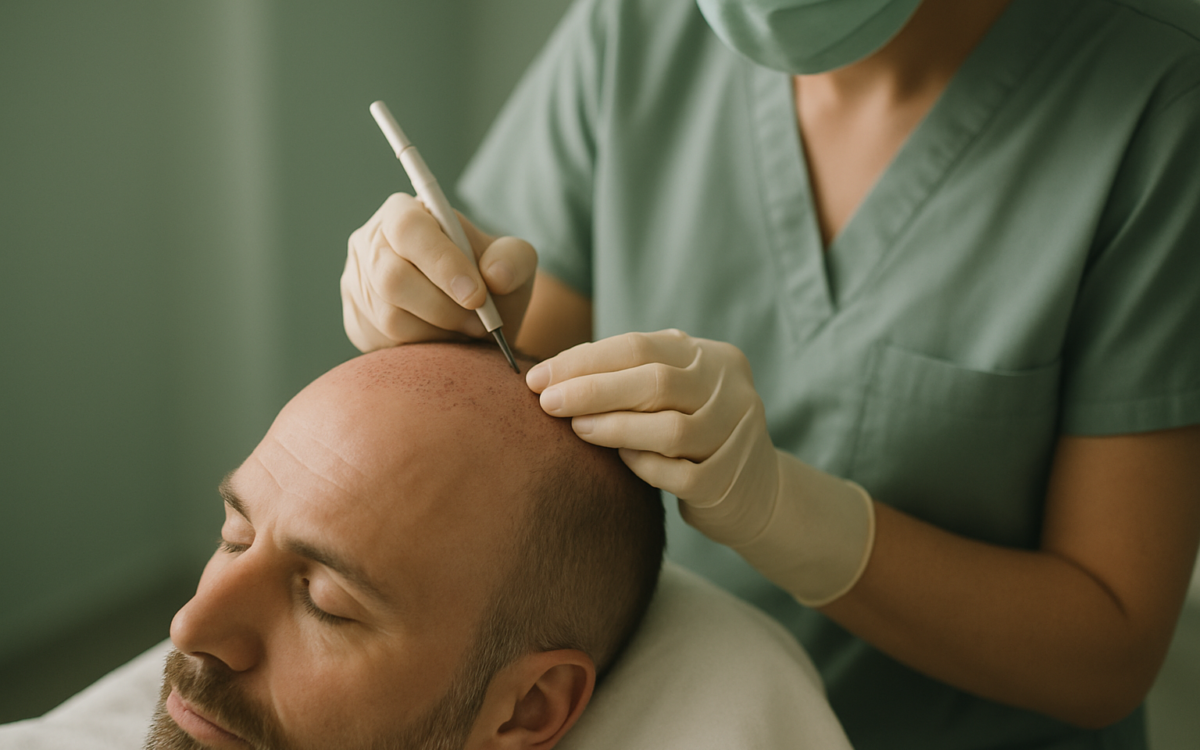
Hair loss can be distressing and affect self-esteem, leading many to consider hair transplants as a solution. With various techniques available, understanding the process and its implications is crucial before making a decision.
What is a Hair Transplant?
A hair transplant is a surgical procedure that moves hair follicles from one part of the body (usually the back or sides of the head) to areas experiencing hair loss. It is primarily used to treat male-pattern baldness but can also be effective for women suffering from thinning hair.
Types of Hair Transplant Procedures
There are two main types of hair transplant methods: Follicular Unit Transplantation (FUT) and Follicular Unit Extraction (FUE).
Follicular Unit Transplantation (FUT)
In the FUT method, a strip of skin containing hair follicles is removed from the donor area, which is then sutured closed. This strip is subsequently divided into smaller units for implantation. Although this method may leave a linear scar, it is effective for larger grafts and is often more cost-effective.
Follicular Unit Extraction (FUE)
FUE involves extracting individual hair follicles directly from the donor area and implanting them into the target site. This method tends to leave minimal scarring and requires less recovery time. It is generally more expensive due to its labor-intensive nature.
The Benefits of Hair Transplants
Hair transplants offer several significant advantages:
- Natural Appearance: Since hair is taken from your own scalp, it tends to look more natural than wigs or hairpieces.
- Permanent Solution: Once transplanted, the new hair follicles are generally permanent, assuming you continue to maintain healthy hair.
- Increased Confidence: Many people report higher self-esteem and confidence following a successful hair transplant.
Understanding the Risks
While hair transplants have many benefits, it is essential to be aware of the potential risks and side effects, such as:
- Infection: As with any surgical procedure, there is a risk of infection. Following post-operative care can minimize this risk.
- Scarring: FUT may leave a linear scar, while FUE typically results in tiny dotted scars.
- Shock Loss: Some patients may experience temporary hair loss in the surrounding areas after the surgery, a phenomenon known as shock loss.
Post-Transplant Care
After the hair transplant, proper care is crucial for achieving the desired results. Here are some tips:
- Follow Doctor’s Instructions: Always adhere to the specific advice given by your healthcare provider.
- Avoid Strenuous Activity: For at least a week after the procedure, avoid intense exercise or heavy lifting to promote healing.
- Use Gentle Hair Products: Stick to mild shampoos and avoid harsh chemicals until the scalp has completely healed.
Cost Considerations
The cost of hair transplants can vary significantly based on factors such as the clinic’s location, the surgeon’s experience, and the technique used. Generally, FUE is more expensive than FUT but the overall expense does not solely determine quality. It’s essential to choose a certified practitioner to ensure safe and effective treatment.
How to Choose a Hair Transplant Surgeon
Choosing the right surgeon is a vital step in your hair restoration journey. Here are some tips:
- Check Credentials: Look for board certification in dermatology or plastic surgery.
- Read Reviews: Patient reviews can provide insight into the surgeon’s skill and the quality of care.
- Consultation: Schedule a consultation to discuss your needs and assess the surgeon’s approach.
When to See a Doctor
If you are experiencing significant hair loss or have concerns about your hairline, consult a healthcare professional. They can help determine the cause of your hair loss and discuss potential treatments, including hair transplants.
Conclusion
Hair transplants can be a life-changing procedure for many individuals looking to regain their confidence and restore their hair. Understanding the different techniques, potential risks, and post-operative care is essential for making an informed decision. Always consult a qualified healthcare professional to explore if a hair transplant is right for you.
