
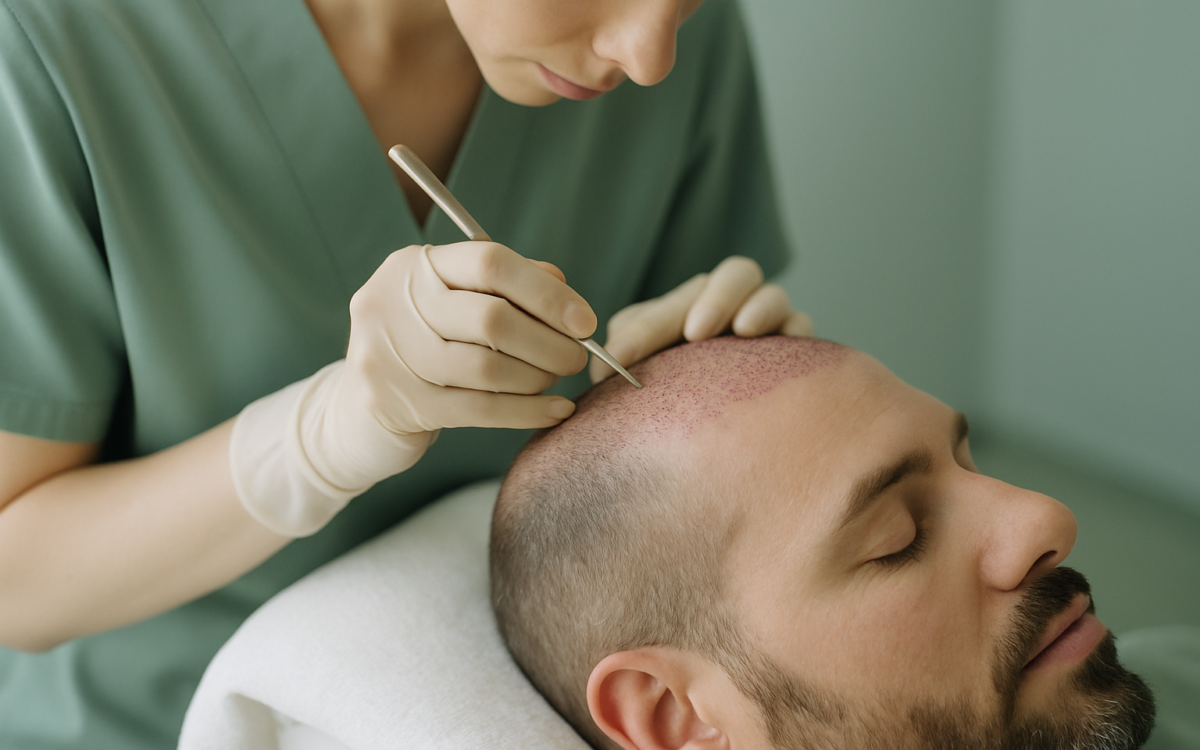
Many people experience hair loss at some point in their lives, and it can be a distressing experience. For anyone looking to regain a fuller head of hair, hair transplantation is a popular and effective option. In this article, we’ll explore what hair transplants are, the different techniques available, the recovery process, and important considerations before undergoing the procedure.
What is a Hair Transplant?
A hair transplant is a surgical procedure that moves hair follicles from one part of the body (often called the donor site) to another (known as the recipient site). This surgery is primarily used to treat baldness or thinning hair, often caused by genetic factors, hormonal changes, or medical conditions. The most common areas for hair transplantation include the scalp, beard, and eyebrows.
How Do Hair Transplants Work?
During a hair transplant, the surgeon performs one of two main techniques: Follicular Unit Transplantation (FUT) or Follicular Unit Extraction (FUE).
Follicular Unit Transplantation (FUT)
FUT involves removing a strip of tissue from the donor site, which contains hair follicles. The strip is then dissected into smaller units that are transplanted into the thinning or balding areas. This method can often result in a larger number of grafts being transplanted in a single session.
Follicular Unit Extraction (FUE)
In FUE, individual hair follicles are extracted directly from the donor area using a specialized tool. This method is less invasive and typically leaves minimal scarring, allowing for a quicker recovery. Both techniques have their pros and cons, which should be discussed with your doctor.
Who is a Good Candidate?
Not everyone is a suitable candidate for a hair transplant. Factors to consider include:
- Your age: Younger individuals may not be ideal candidates due to ongoing hair loss.
- The extent of your hair loss: There should be enough donor hair to cover the recipient area.
- The cause of your hair loss: Conditions like alopecia or certain medical ailments may affect the outcome.
- Your overall health: Prior health conditions can influence recovery and results.
Consulting with a healthcare professional can help determine if you’re a good candidate for the procedure.
The Hair Transplant Procedure
The hair transplant process typically lasts between four to eight hours, depending on the number of grafts being transplanted. Here’s what you can expect:
- Consultation: A thorough discussion with your surgeon to understand your goals and medical history.
- Preparation: The donor area is shaved and cleaned, and anesthesia is administered to minimize discomfort.
- Harvesting: Either FUT or FUE is performed to obtain the hair follicles.
- Transplantation: The harvested follicles are meticulously placed into tiny incisions in the recipient area.
After the procedure, the scalp may be tender, and bandages may be used to protect the area.
Recovery and Results
After a hair transplant, it’s crucial to follow your doctor’s post-operative care instructions to ensure the best results. Here’s what to expect during recovery:
- You may experience swelling, redness, and discomfort, which usually subsides within a few days.
- Within a few weeks, transplanted hair may fall out, given that it goes through a resting phase.
- New hair growth will typically begin to appear within three to six months, with full results visible at around 12 months.
Understanding these timelines can help manage expectations during the recovery period.
Potential Risks and Side Effects
As with any surgical procedure, hair transplants come with certain risks and side effects. While complications are rare, they may include:
- Infection at the donor or recipient sites.
- Scarring from the donor area.
- Unnatural-looking hairs if the grafts are not placed properly.
- Possible hair loss in the transplanted area.
It’s essential to weigh these risks against the potential benefits and discuss them with your healthcare provider.
When to See a Doctor
If you experience unusual symptoms after a hair transplant, it’s important to consult your doctor immediately. Look for signs of infection, such as severe redness, pus, or persistent pain in the treated area. Routine follow-up appointments are also necessary to monitor your recovery and progress.
Hair transplants can be a powerful tool for restoring confidence and appearance. If you’re considering this procedure, it’s vital to have an open conversation with a qualified healthcare professional to explore your options thoroughly.
For more information on hair transplants and hair loss, you can check resources from Mayo Clinic and the National Institutes of Health.
