
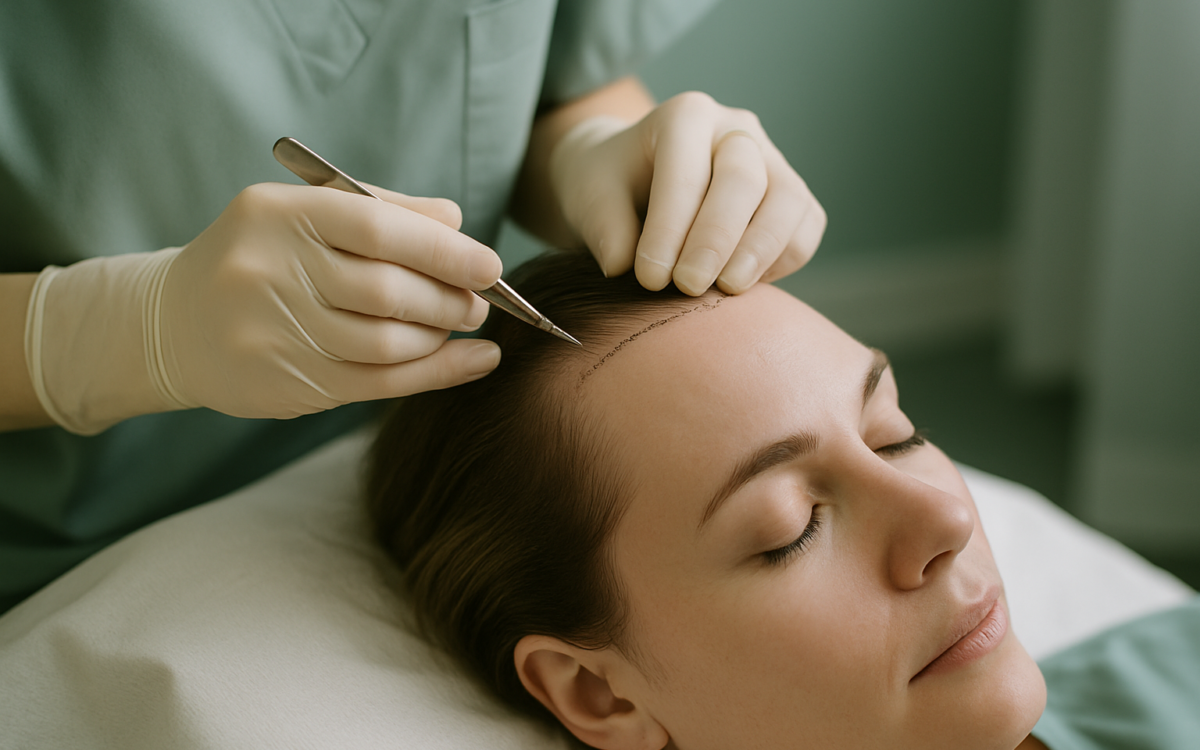
As we age, our hairline may begin to recede, leaving us feeling self-conscious and longing for a fuller head of hair. For many, the solution lies in a procedure known as hairline grafting. This technique has gained popularity in recent years as a reliable means of restoring hair, boosting confidence, and improving one’s overall appearance.
What is Hairline Grafting?
Hairline grafting is a type of hair restoration procedure that involves transferring hair follicles from one part of the body to areas experiencing hair loss or thinning. This method can create a more youthful and fuller hairline, providing a natural look. The hair follicles are often taken from the back or sides of the scalp, areas where hair is less likely to thin.
Types of Hairline Grafting Techniques
There are primarily two methods of hairline grafting: Follicular Unit Extraction (FUE) and Follicular Unit Transplantation (FUT). Understanding each method can help you make an informed decision.
Follicular Unit Extraction (FUE)
FUE involves extracting individual hair follicles directly from the donor area using a small punch tool. The main benefits of FUE include:
- Less invasive than FUT.
- Minimal scarring, as tiny circular scars are less visible.
- Shorter recovery time.
Patients often prefer FUE for its discreet nature and quicker return to normal activities.
Follicular Unit Transplantation (FUT)
FUT, also known as the strip method, involves removing a strip of tissue from the donor area, which is then divided into smaller grafts. While this method leaves a linear scar, it may allow for the transplantation of a larger number of hair follicles in one session. Some benefits of FUT include:
- Higher hair yield in a single procedure.
- Generally lower cost compared to FUE.
FUT may be a better option for individuals seeking to cover larger areas of hair loss in a single session.
The Benefits of Hairline Grafting
Hairline grafting can provide numerous benefits. Firstly, it can restore confidence by creating a more defined hairline, which can have a positive impact on one’s self-esteem. Secondly, the results are often long-lasting and, in many cases, permanent. With the right care, the transplanted hair will continue to grow like regular hair.
Moreover, hairline grafting is a relatively straightforward procedure that can be performed on an outpatient basis, often allowing patients to return home the same day. Many individuals report satisfaction with the natural appearance of their new hairline, making it a popular choice among both men and women.
What to Expect During the Procedure
The hairline grafting process typically begins with a consultation, where a specialist will assess your hair loss, discuss options, and outline what to expect. If you decide to proceed, the procedure usually takes several hours, depending on the amount of hair being transplanted.
During the procedure, local anesthesia is administered to minimize discomfort. The surgeon will then either extract individual follicles (in FUE) or remove a strip of scalp (in FUT) and prepare the grafts for implantation. Once the grafts are ready, they are strategically placed in the thinning or balding areas to create a natural appearance.
Post-Procedure Care and Recovery
After hairline grafting, some patients may experience swelling, redness, or minor discomfort in the donor or recipient areas. These symptoms are generally temporary and can be managed with over-the-counter pain medications and ice packs.
It’s crucial to follow the aftercare instructions provided by your surgeon, which may include avoiding physical activities and protecting the scalp from sun exposure for a few weeks. Most patients can return to their normal routines within a week, but full recovery and the appearance of new hair growth may take several months.
Potential Risks and Considerations
Like any surgical procedure, hairline grafting carries some risks. Although complications are rare, it’s important to be aware of them. Potential risks include:
- Infection at the donor or recipient site.
- Scarring.
- Unnatural-looking results if not performed by a skilled surgeon.
Before undergoing hairline grafting, ensure you consult with a qualified and experienced professional. It’s essential to discuss your expectations, possible outcomes, and any concerns you may have. A thorough consultation can help you understand what is feasible and supports a successful result.
When to See a Doctor
If you are considering hairline grafting or any type of hair restoration procedure, consulting with a healthcare professional is crucial. They can provide personalized advice based on your individual needs and medical history. Seek immediate medical attention if you experience unusual symptoms following the procedure, such as excessive bleeding, severe pain, or signs of infection.
For more information about hair loss treatments and hair restoration options, consider visiting reputable sources like NIH or the Mayo Clinic.
Ultimately, hairline grafting can be a viable solution for those struggling with hair loss, offering a path to a more youthful appearance and increased confidence.
