
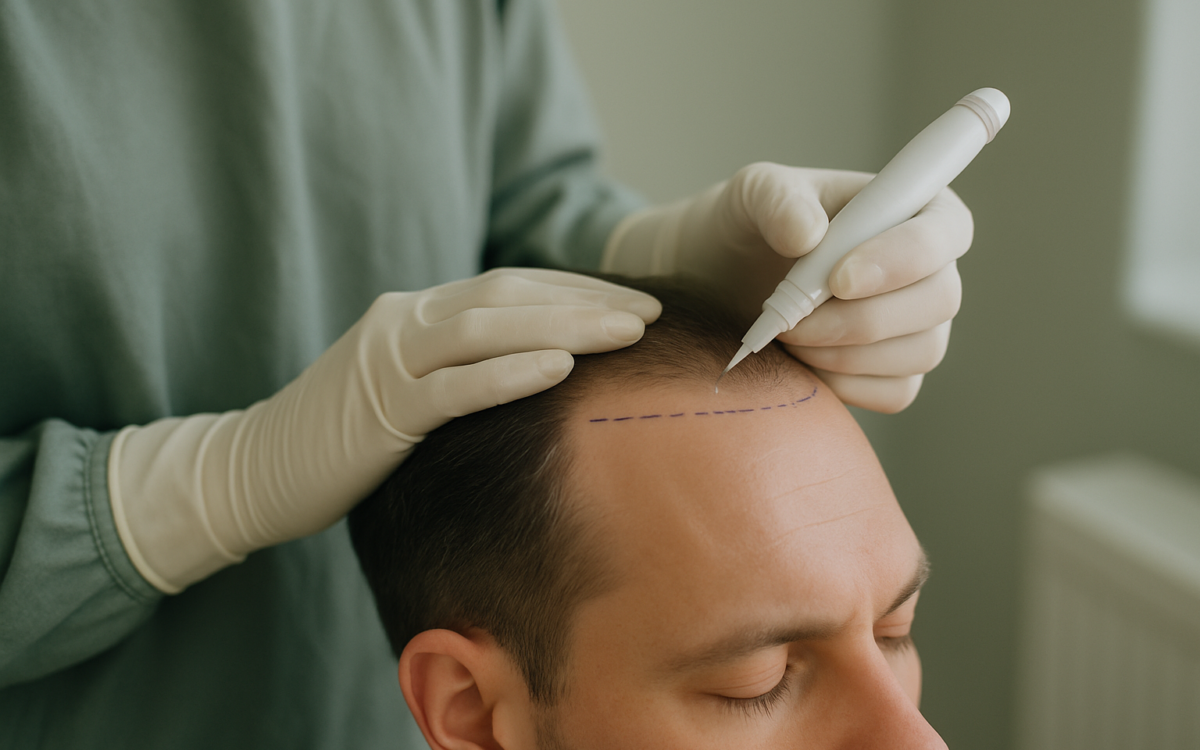
Experiencing hair loss can be challenging, often impacting one’s self-esteem and overall confidence. As more people seek solutions to restore their hair, the popularity of hairline implants has been on the rise. This innovative technique offers a way to create a natural-looking hairline, bringing hopeful outcomes for those struggling with thinning hair or receding hairlines.
What Are Hairline Implants?
Hairline implants, often referred to as hair transplants, are a surgical procedure designed to add hair to the front of the scalp. This procedure involves taking hair follicles from areas of the scalp with abundant hair, known as the donor site, and transplanting them to areas with thinning or no hair.
Types of Hairline Implants
There are generally two main techniques used in hairline implants:
- Follicular Unit Transplantation (FUT): In this method, a strip of hair-bearing skin is removed from the donor area. The strip is then dissected into individual follicular units, which are implanted into the thinning or bald areas of the scalp.
- Follicular Unit Extraction (FUE): This technique involves harvesting individual hair follicles directly from the donor area using a punch-like tool. The harvested follicles are then transplanted into the balding areas of the scalp.
Who Can Benefit from Hairline Implants?
Hairline implants may be a suitable option for individuals experiencing:
- Androgenetic alopecia (male or female pattern baldness)
- Hair loss due to trauma or injuries
- Hair loss due to medical conditions, such as alopecia areata
- Thinning hair from aging
However, not everyone is an ideal candidate. Factors such as age, extent of hair loss, and health conditions can affect eligibility. It’s vital to consult with a specialist to determine if hairline implants are the right choice.
Benefits of Hairline Implants
Those considering hairline implants often cite various benefits:
- Natural Appearance: When performed by a skilled surgeon, the results look natural and blend seamlessly with existing hair.
- Permanent Solution: Hairline implants can provide a permanent solution to hair loss, as transplanted hair grows like natural hair.
- Boost in Confidence: Many individuals experience a significant boost in self-esteem and confidence after undergoing the procedure.
- Minimal Scarring: Especially with the FUE technique, scarring is minimized, making it easier to wear shorter hairstyles.
Understanding the Procedure
The hairline implant surgery typically involves several steps:
- Consultation: The surgeon evaluates your hair loss and discusses expectations and possibilities.
- Anesthesia: Local anesthesia is administered to ensure comfort during the procedure.
- Harvesting Follicles: Follicles are either harvested as a strip (FUT) or individually (FUE).
- Implantation: The harvested follicles are carefully implanted into the hairline, following the natural growth patterns for a realistic look.
- Recovery: Post-surgery, follow recovery instructions to promote healing and optimum hair growth.
Post-Procedure Care
After undergoing a hairline implant procedure, it’s essential to follow specific aftercare instructions to ensure the best possible results:
- Keep the scalp clean: Gently wash the scalp as instructed by your healthcare provider.
- Avoid direct sun: Protect your scalp from sun exposure, especially during the first few weeks.
- Limit physical activity: Refrain from strenuous activities that may cause sweating.
- Follow medication guidelines: Take any prescribed medications to reduce swelling or prevent infection.
Potential Risks and Considerations
Like any surgical procedure, hairline implants come with potential risks, including:
- Infection at the surgical site
- Scarring or uneven hair growth
- Shock loss, where existing hair temporarily falls out near transplant sites
- Allergic reactions to anesthesia or medications
Discuss these risks thoroughly with your doctor to make an informed decision about the procedure.
When to See a Doctor
If you notice severe hair loss, noticeable changes in your hairline, or have concerns about the health of your scalp, it’s crucial to consult a healthcare provider. Early intervention can help determine the cause and appropriate treatment options for your hair loss.
Conclusion
Hairline implants offer a promising option for individuals looking to restore their hair and confidence. As with any medical procedure, it’s essential to research and consult with experts to understand the benefits, risks, and suitability for your situation. With advancements in technology and techniques, hair restoration has never been more accessible, helping many reclaim a fuller, more youthful appearance.
