
Hair is often considered one of the most important aspects of appearance. For many, a thinning hairline or hair loss can lead to feelings of self-consciousness. Fortunately, advances in hair restoration techniques have made it easier to regain a youthful look. This article will explore the different methods of hairline replacement, discussing their benefits and considerations.
What is Hairline Replacement?
Hairline replacement refers to various procedures and treatments designed to restore hair to thinning or balding areas on the scalp. These methods can either involve surgical interventions, like hair transplants, or non-surgical options, like topical treatments. Understanding the range of choices available can help individuals make more informed decisions about their appearance and well-being.
Types of Hairline Replacement Techniques
Surgical Options
Surgical techniques for hairline replacement typically involve relocating hair follicles from a donor site (usually at the back of the head) to the areas experiencing hair loss.
- Follicular Unit Transplant (FUT): This method involves removing a strip of scalp from the donor area and then dividing it into individual follicular units, which are then transplanted to the recipient area.
- Follicular Unit Extraction (FUE): In this technique, individual hair follicles are extracted directly from the donor area and transplanted to the balding area. It is less invasive than FUT and typically has a shorter recovery time.
Non-Surgical Options
For those hesitant about surgery or looking for less invasive treatments, several non-surgical options are available:
- Topical Treatments: Medications like minoxidil (Rogaine) are applied directly to the scalp to stimulate hair growth. These products can be effective for some individuals but require ongoing use to maintain results.
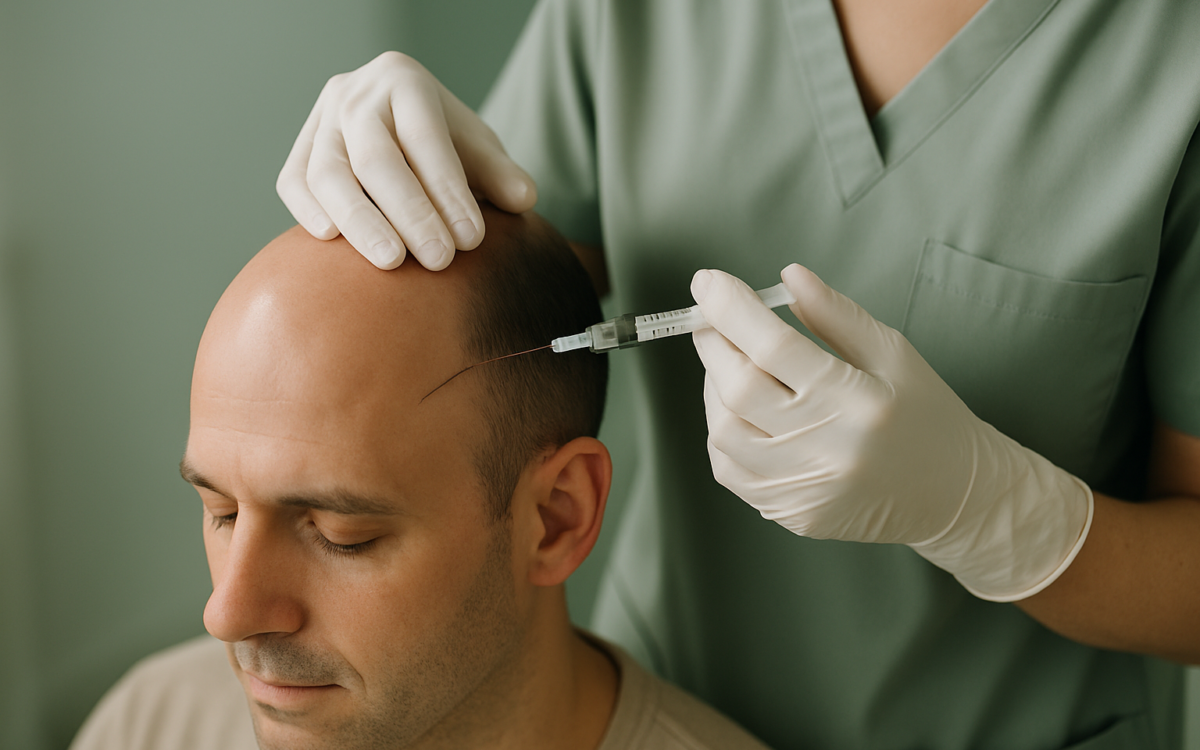
- Platelet-Rich Plasma (PRP): This innovative treatment involves drawing a small amount of blood from the patient, processing it to concentrate the platelets, and injecting it into the scalp to promote hair growth. Studies like those from the NIH have shown promising results.
- Scalp Micropigmentation: This technique uses specialized pigments to give the appearance of a fuller hairline or added density. It can be particularly effective for individuals who prefer a non-invasive solution.
Understanding the Cost of Hairline Replacement
The cost of hairline replacement can vary significantly based on the chosen method, the extent of hair loss, and the geographic location of the provider. On average, hair transplant surgeries can range from $4,000 to $15,000, while non-surgical options may cost anywhere from $300 for topical treatments to several thousand for PRP therapy.
It’s important to consider these costs within the context of long-term care and potential ongoing treatments. Consulting a healthcare professional to review the financial implications of each option is highly advisable.
Factors to Consider Before Choosing a Method
Before committing to a hairline replacement procedure, several factors should be taken into account:
- Age: Younger individuals may be advised against surgical options until their hair loss pattern is clearer, while older patients may benefit from earlier intervention.
- Extent of Hair Loss: Determining how much hair is lost can influence the choice of treatment. Some options, like FUE, may be better for those with less severe hair loss.
- Health Status: Existing health conditions and medications can impact eligibility for certain procedures. Always disclose your full health history to your provider.
- Realistic Expectations: Understanding what each treatment can realistically achieve is crucial. Discussing anticipated outcomes with a qualified professional can help align expectations.
Success Rates and Outcomes
The success rates of hairline replacement techniques can vary. Generally, surgical methods like FUE and FUT have a high success rate, with many patients experiencing visible hair growth within six months to a year. Non-surgical treatments may require continuous use for ongoing results. For more detailed information, resources from the Mayo Clinic provide insights into anticipated outcomes for various procedures.
When to See a Doctor
If you’re experiencing hair loss and are considering hairline replacement, it’s wise to consult a healthcare provider. They can help determine the cause of your hair loss and whether any underlying health conditions should be addressed. Additionally, a professional can provide tailored recommendations suited to your specific needs and circumstances.
Conclusion
Hairline replacement is not just about aesthetics; it can significantly impact self-esteem and confidence. With the variety of options available, including both surgical and non-surgical methods, individuals can find a solution that fits their needs and preferences. Remember to do thorough research and consult with professionals to ensure the best possible outcome for your hair restoration journey.
