
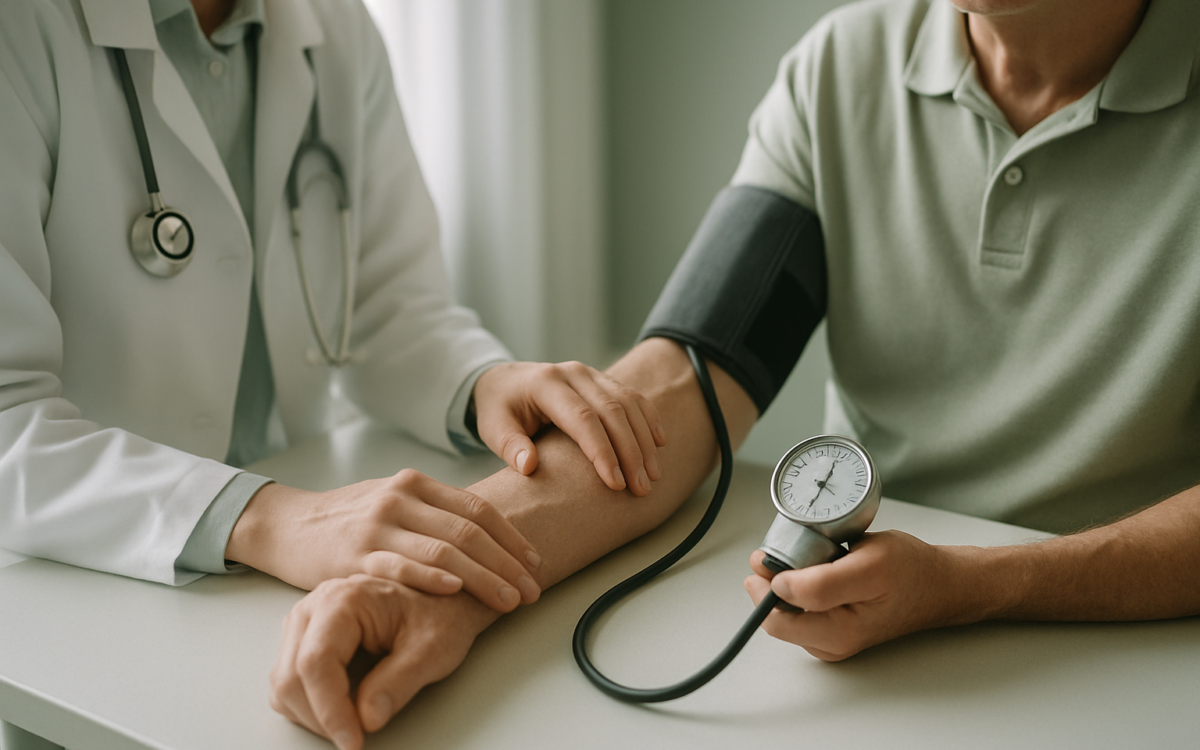
High hypertension, often referred to as high blood pressure, is a common condition that can lead to serious health issues if not managed properly. Many people are unaware that hypertension is sometimes called the “silent killer” because it usually has no obvious symptoms. However, with the right treatment and lifestyle modifications, it’s possible to manage and even lower blood pressure effectively. This article will explore various treatment options for high hypertension, helping you understand how to keep your blood pressure in a healthy range.
What is High Hypertension?
High hypertension occurs when the pressure of blood against the walls of your arteries is consistently too high. According to the CDC, normal blood pressure is typically around 120/80 mmHg. Blood pressure readings of 130/80 mmHg or higher indicate high hypertension. Left untreated, it can increase the risk of heart disease, stroke, and other serious health problems.
Understanding Blood Pressure Readings
Blood pressure readings consist of two numbers: systolic (the first number) measures the pressure when your heart beats, while diastolic (the second number) measures the pressure when your heart rests between beats. Here’s a quick overview of blood pressure categories:
- Normal: Less than 120/80 mmHg
- Elevated: 120-129/<80 mmHg
- Hypertension Stage 1: 130-139/80-89 mmHg
- Hypertension Stage 2: 140/90 mmHg or higher
- Hypertensive Crisis: Higher than 180/120 mmHg (requires emergency care)
Lifestyle Modifications for High Hypertension
Before turning to medication, many healthcare providers recommend making lifestyle changes to help lower blood pressure:
1. Healthy Diet
A heart-healthy diet is crucial in managing high hypertension. The National Heart, Lung, and Blood Institute suggests focusing on:
- Fruits and Vegetables: Aim for at least five servings daily.
- Whole Grains: Choose brown rice, whole grain bread, and oats.
- Lean Proteins: Incorporate fish, poultry, beans, and nuts.
- Low-Sodium Options: Limit salt intake to less than 2,300 mg daily.
2. Regular Exercise
Physical activity can significantly lower blood pressure. Aim for at least 150 minutes of moderate aerobic exercise per week, such as brisk walking, swimming, or cycling. Engaging in regular physical activity not only helps reduce blood pressure but also strengthens the heart and improves overall cardiovascular health.
3. Weight Management
Carrying excess weight can contribute to high hypertension. Losing even a small percentage of body weight can help lower blood pressure. A combination of healthy eating and physical activity is often the best approach.
4. Reduce Alcohol and Caffeine Intake
Consuming too much alcohol can raise blood pressure. Limit drinks to one per day for women and two for men. Similarly, while the effects of caffeine on blood pressure can vary among individuals, some people find that reducing caffeine intake can help manage their blood pressure.
Medications for High Hypertension
In cases where lifestyle changes are not sufficient, doctors may prescribe medications to help control blood pressure. Some common classes of antihypertensive medications include:
- Diuretics: Help the body eliminate excess sodium and water, reducing blood volume.
- ACE Inhibitors: Relax blood vessels by preventing the formation of a hormone that narrows them.
- Beta Blockers: Decrease the heart rate and the heart’s workload.
- Calcium Channel Blockers: Help relax and widen blood vessels.
- Angiotensin II Receptor Blockers (ARBs): Similar to ACE inhibitors, they relax blood vessels.
It’s important to consult your healthcare provider to determine the best medication for your individual needs. Regular monitoring and communication with your doctor are essential for effective hypertension management.
Alternative and Complementary Therapies
Alongside traditional treatments, some individuals explore alternative approaches to managing high hypertension:
- Meditation and Yoga: Both practices can reduce stress and potentially lower blood pressure.
- Aromatherapy: Certain essential oils may promote relaxation, indirectly benefiting blood pressure.
- Herbal Remedies: Some herbs, like garlic and hibiscus, are believed to have blood pressure-lowering effects. However, consult your doctor before trying any herbal supplements.
Managing High Hypertension: A Lifelong Commitment
Managing high hypertension is not a one-time effort but a lifelong commitment. Regular check-ups with your healthcare provider, along with consistent adherence to your treatment plan, are vital. Monitoring your blood pressure at home can also provide valuable feedback on how well you’re managing your condition.
When to See a Doctor
If your blood pressure readings consistently exceed the normal range, or if you experience symptoms like severe headaches, vision changes, or chest pain, it’s essential to seek medical attention. Early intervention can help prevent serious complications.
In conclusion, understanding high hypertension and its treatment options is essential for anyone at risk. By making informed lifestyle choices, adhering to prescribed medications, and consulting healthcare professionals, you can effectively manage your blood pressure and improve your overall health. Remember, your journey to better heart health is a partnership with your medical team, filled with opportunities for growth and improvement.
