
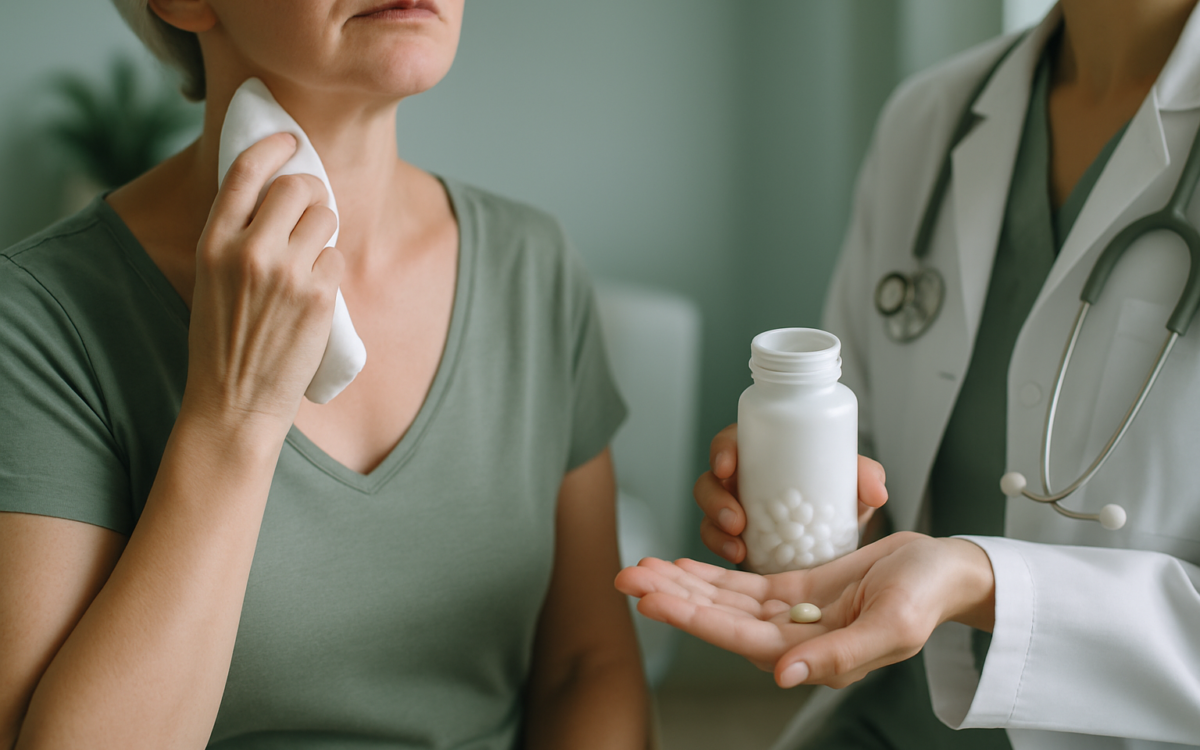
For many women, hot flashes are a hallmark of menopause, bringing an unexpected wave of heat that seems to come out of nowhere. This sudden rise in body temperature can result in discomfort, sweating, and embarrassment. While hot flashes are a natural part of the transition into menopause, a variety of treatments exist to help alleviate these symptoms and improve quality of life. Understanding your options can empower you to find relief and embrace this new phase of life.
What Causes Hot Flashes?
Hot flashes occur when hormonal changes disturb the body’s temperature regulation. Throughout a woman’s life, estrogen levels fluctuate significantly. During menopause, these levels decline, leading to various symptoms, including hot flashes. According to the National Institutes of Health, around 75% of women experience hot flashes during menopause, typically beginning in the years leading up to the last menstrual period.
Medical Treatments for Hot Flashes
If hot flashes significantly disrupt your daily life, medical treatments may be a suitable option. Here are some commonly prescribed treatments:
- Hormone Therapy: This involves the administration of estrogen, which can be particularly effective in managing hot flashes. Estrogen replacement therapy can reduce the frequency and severity of symptoms.
- Antidepressants: Certain antidepressants, particularly selective serotonin reuptake inhibitors (SSRIs) and serotonin-norepinephrine reuptake inhibitors (SNRIs), have been shown to reduce hot flash intensity.
- Gabapentin: Originally designed to treat seizures, gabapentin has been found to alleviate hot flashes in some women.
- Clonidine: This medication, typically used to treat high blood pressure, may also help relieve hot flashes.
Natural Remedies and Lifestyle Changes
In addition to medical treatments, many women find relief through natural remedies and lifestyle modifications. Here are some effective strategies:
- Stay Cool: Dress in layers so you can adjust as needed. Keeping your environment cool can also help; consider using fans or air conditioning.
- Avoid Triggers: Certain foods and beverages, such as spicy foods, caffeine, and alcohol, can trigger hot flashes. Keeping a diary may help you identify your personal triggers.
- Practice Relaxation Techniques: Techniques like yoga, meditation, and deep breathing can help manage stress and may reduce the severity of hot flashes.
- Regular Exercise: Engaging in regular physical activity can aid in maintaining a healthy weight and may help reduce the frequency of hot flashes.
- Maintain a Balanced Diet: A diet rich in fruits, vegetables, whole grains, and lean proteins can support overall health and may ease symptoms.
Herbal Treatments and Supplements
Some women turn to herbal treatments to find relief from hot flashes. However, it’s essential to consult with a healthcare provider before starting any supplement. Some herbs that are commonly mentioned include:
- Black Cohosh: Some studies suggest it may help reduce menopause symptoms, although more research is needed to confirm its effectiveness.
- Red Clover: Contains phytoestrogens, which may mimic estrogen in the body, potentially alleviating hot flashes.
- Flaxseed: Can be consumed as part of a diet; some believe it may have a positive effect on symptoms.
Despite their popularity, keep in mind that the safety and efficacy of herbal treatments can vary, and they are not universally recommended for everyone.
When to Consider Alternative Therapies
Some women explore alternative therapies such as acupuncture and chiropractic care. While scientific evidence for these methods is still emerging, many individuals report feeling better with complementary therapies. As with any treatment, it’s essential to discuss these options with your healthcare provider before beginning.
Emotional Support and Community
Navigating menopause can be challenging both physically and emotionally. Seeking support from friends, family, or support groups can help you feel less isolated. Connecting with other women who share similar experiences can provide valuable insights and coping strategies.
When to See a Doctor
If you experience severe or persistent hot flashes that interfere with your daily life, it’s crucial to consult a healthcare professional. They can help assess your symptoms and recommend suitable treatment options tailored to your specific circumstances. Additionally, if you notice any new or unusual symptoms during this time, such as heavy bleeding or significant mood changes, be sure to seek medical advice.
In summary, while hot flashes can be an uncomfortable aspect of menopause, a variety of treatments and lifestyle changes can help manage symptoms. Understanding your options empowers you to take charge of your experience during this transition. Remember, it’s always best to consult with a healthcare professional before starting any new treatment plan.
