
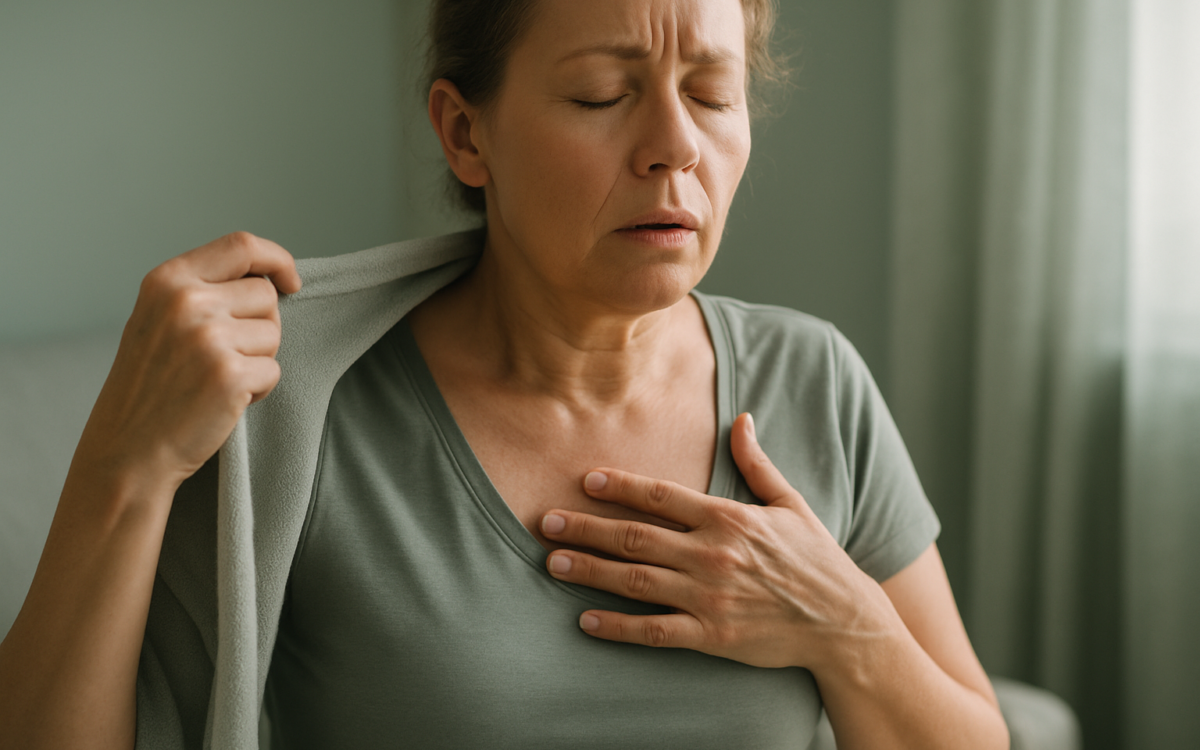
Hot flashes are a common experience for many women approaching menopause. These flashes can disrupt daily life, causing discomfort and sometimes making it difficult to sleep. Understanding the symptoms and triggers of hot flashes is essential for managing them effectively.
What are hot flashes?
A hot flash is a sudden feeling of heat that can occur throughout the body, often accompanied by sweating, flushing, and a rapid heartbeat. For many women, hot flashes signal the onset of menopause, which typically occurs between the ages of 45 and 55. However, some women may start experiencing them earlier due to various factors, including hormonal changes, medical conditions, or certain treatments.
Recognizing the symptoms
Hot flashes can vary in duration and intensity among individuals. Common symptoms include:
- Sudden warmth: A quick increase in body temperature, often starting in the chest or neck and spreading outward.
- Flushing: Redness or a warm feeling in the face and neck.
- Night sweats: Intense sweating during sleep that can disrupt rest.
- Rapid heartbeat: A feeling of your heart racing or beating irregularly.
- Chills: Subsequent sensations of cold after a hot flash.
The frequency of hot flashes can vary significantly, with some women experiencing them multiple times a day, while others may have them only occasionally. They are generally more prevalent during the transition to menopause, known as perimenopause.
What triggers hot flashes?
Understanding what triggers hot flashes can help you manage them more effectively. Common triggers include:
- Heat: Overheating from environmental factors like warm weather or wearing heavy clothes.
- Spicy foods: Foods with high spice levels can trigger a hot flash in some individuals.
- Caffeine and alcohol: Both substances can affect blood flow and contribute to the onset of hot flashes.
- Stress: Emotional stress and anxiety can trigger hot flashes as well.
- Smoking: Smokers may experience hot flashes more frequently than non-smokers.
Keeping a diary of your hot flashes can help identify specific triggers. By noting the time, severity, and any associated activities, you can spot patterns that enable you to make lifestyle adjustments.
Managing and coping with hot flashes
While hot flashes can be bothersome, there are several strategies to help manage and reduce their frequency:
- Dressing in layers: This allows you to remove clothing quickly during a hot flash.
- Cooling techniques: Keep a fan nearby or use a cool cloth on your face and neck during a hot flash.
- Herbal remedies: Some women find relief with natural supplements like black cohosh; consult with your healthcare provider before trying these.
- Stress management: Techniques such as yoga, meditation, and deep breathing exercises can help reduce stress.
- Healthy diet: A balanced diet rich in fruits, vegetables, and whole grains may help regulate hormones.
Engaging in regular physical activity can also be beneficial. Exercise not only helps alleviate symptoms but also improves overall health and well-being.
When to consider medical intervention
While hot flashes are a normal part of the menopausal transition, they can be severe for some women. If your symptoms are significantly impacting your quality of life, it may be time to speak to a healthcare professional. Options may include:
- Hormone therapy: Hormone replacement therapy (HRT) can be effective for many women in relieving severe hot flashes.
- Non-hormonal medications: Certain medications, such as antidepressants or anti-seizure drugs, have been found to help with hot flashes.
Always discuss the risks and benefits of treatments with your doctor to find a suitable option tailored to your health needs.
When to see a doctor
If your hot flashes are intense, persistent, or accompanied by other concerning symptoms—such as significant changes in mood, sleep disturbances, or weight changes—consulting a medical professional is advisable. They can rule out potential underlying conditions and provide advice on effective management strategies. Resources such as the National Institutes of Health can provide additional information on symptoms and treatment options.
Conclusion
Hot flashes are a natural part of the transition to menopause and affect many women. Understanding their symptoms, triggers, and management techniques can make this experience more manageable. Keep in mind that if hot flashes significantly impact your daily life, consulting with a healthcare professional can open up various options for relief and support.
