
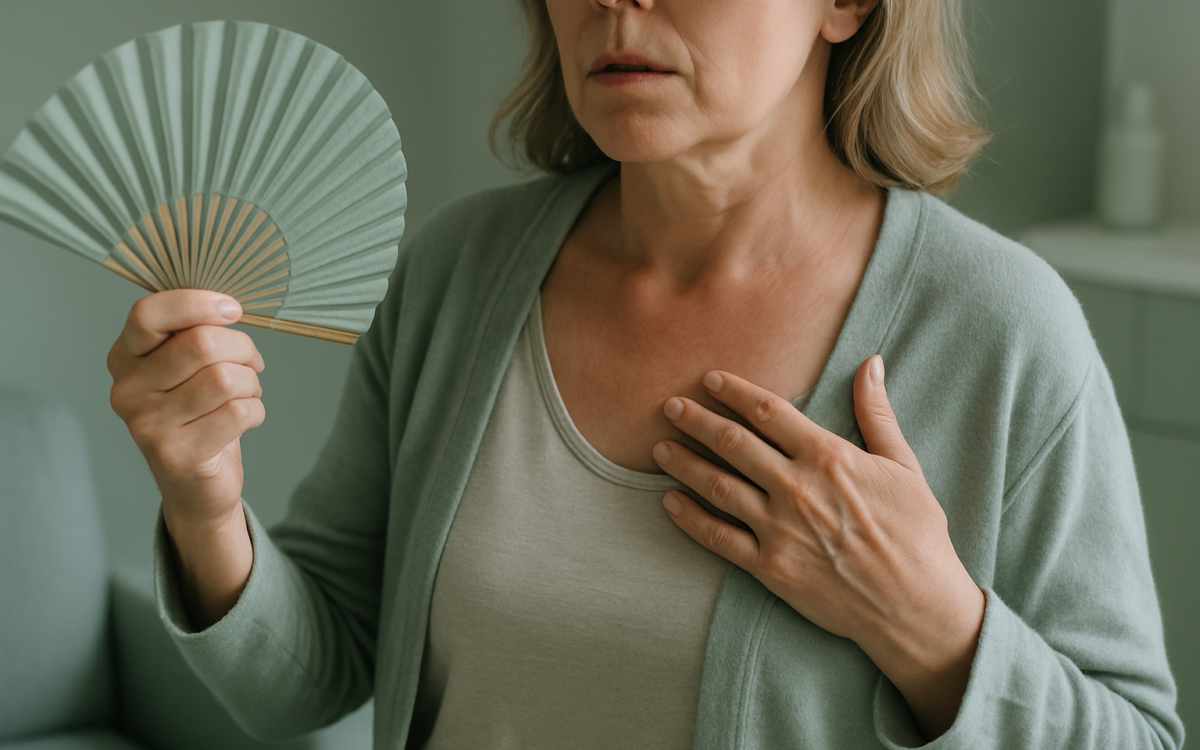
Hot flushes can be one of the most uncomfortable symptoms experienced during menopause. This sudden feeling of intense heat can leave you feeling drenched in sweat and searching for relief. While common, there’s much more to learn about why hot flushes happen and how to manage them. In this article, we explore what causes hot flushes, how they can affect daily life, and potential ways to find relief.
What Causes Hot Flushes?
Hot flushes are primarily linked to hormonal changes that occur during menopause. As the body transitions, the production of estrogen decreases, which affects the body’s temperature regulation. This change can cause the hypothalamus—part of the brain that regulates temperature—to become overly sensitive. The result is sudden blood vessel dilation, leading to feelings of warmth and sweating. Other factors that can contribute to hot flushes include:
- Stress and anxiety
- Certain medications
- Caffeine and alcohol consumption
- Smoking
For more detailed information on hormonal changes during menopause, consider checking resources from the National Institutes of Health.
How Hot Flushes Affect Daily Life
While hot flushes may seem like a minor inconvenience, they can significantly impact daily life. Many women report disruptions in their sleep patterns due to nocturnal hot flushes, which can lead to fatigue, irritability, and a lack of concentration during the day. Additionally, the anxiety of experiencing a hot flush in social situations can make some women feel embarrassed or self-conscious. It’s essential to recognize how these symptoms can affect emotional wellbeing and overall quality of life.
Identifying Symptoms of Hot Flushes
Hot flushes are characterized by a rapid increase in body temperature, often accompanied by:
- Redness in the face and neck
- Excessive sweating
- A rapid heartbeat
- Chills after the flush has passed
These symptoms can vary in intensity and duration, making it essential for women to pay attention to their bodies and actions that may trigger hot flushes.
Managing Hot Flushes: Tips and Strategies
While hot flushes can be challenging, there are several strategies you can employ to manage your symptoms. Here are some practical tips:
- Dress in Layers: Wearing breathable, lightweight clothing can help you feel more comfortable when a hot flush occurs.
- Stay Cool: Keep cold packs or fans nearby, and consider taking cool showers to help bring down your body temperature.
- Limit Triggers: Identify and reduce your consumption of caffeine, alcohol, and spicy foods, which may trigger hot flushes.
- Exercise Regularly: Regular physical activity can promote better sleep and overall wellbeing, potentially reducing the frequency of hot flushes.
- Meditation and Breathing Exercises: Mindfulness practices can help manage stress and reduce the intensity and frequency of hot flushes.
For additional resources on managing symptoms, refer to the Mayo Clinic.
When to Consider Medical Help
While hot flushes are a common symptom of menopause, they can sometimes signify underlying health issues. If you experience severe symptoms or your hot flushes significantly disrupt your daily life, it’s essential to consult with a healthcare professional. They can help determine if your symptoms are related to menopause or other medical conditions that require attention.
Alternative Treatments and Therapies
If lifestyle changes alone are not enough, you may consider exploring alternative treatments for additional relief. Some common options include:
- Hormone Replacement Therapy (HRT): HRT can help alleviate hot flushes by restoring hormone levels. However, it comes with potential risks, which should be discussed with a healthcare provider.
- Natural Remedies: Some women find relief through herbal supplements like black cohosh or evening primrose oil. Talk to your doctor before trying any supplements.
- Acupuncture: This traditional Chinese medicine technique may help alleviate symptoms for some women.
Studies suggest that combining treatments could lead to better outcomes. Always consult with your doctor before starting any new treatment regimen.
Conclusion
Hot flushes can be an uncomfortable part of many women’s experiences during menopause, but understanding their causes and knowing how to manage them can help you regain control of your wellbeing. Embrace a holistic approach that combines lifestyle changes, mindfulness, and potentially medical support to navigate this natural transition with confidence.
