
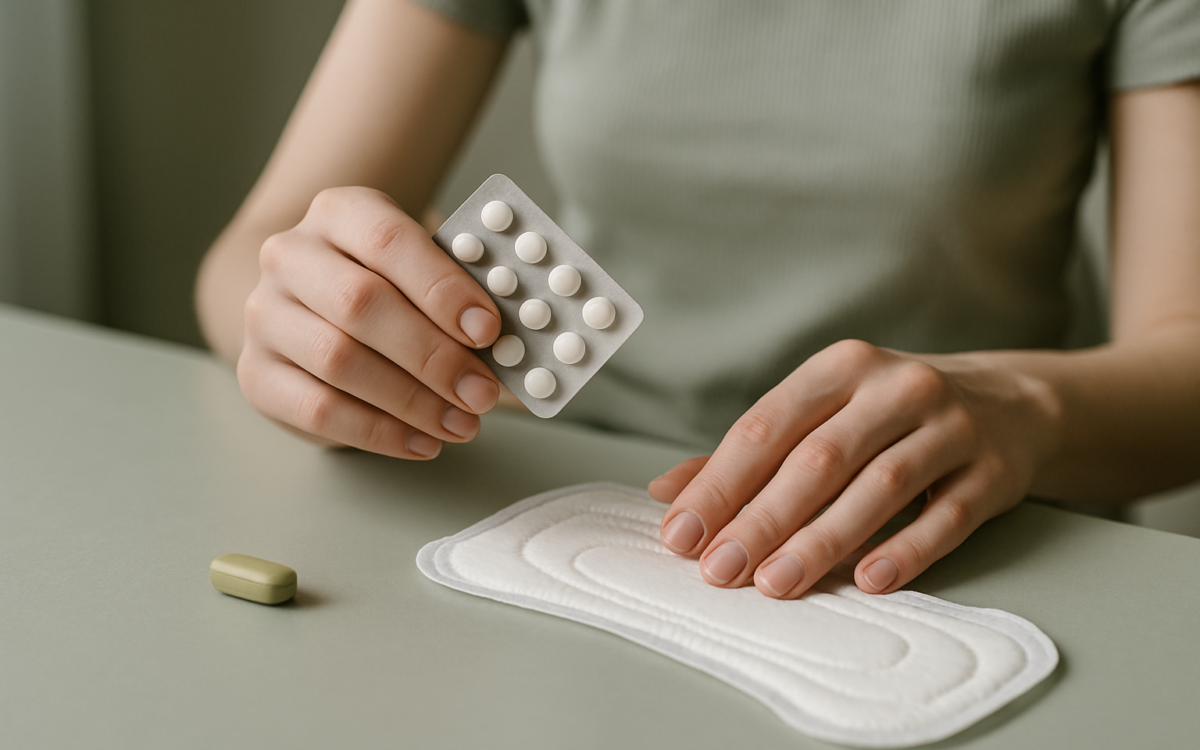
For those who experience a menstrual cycle, the timing of a period can sometimes feel inconvenient. Whether it’s a special event or a trip, there are legitimate reasons a person might wish for their period to come sooner than expected. But how can you encourage your menstrual cycle to act on your timetable? Let’s delve into some natural methods and considerations that might help.
Understanding Your Menstrual Cycle
Your menstrual cycle is a complex interaction of hormones, primarily estrogen and progesterone. It typically lasts from 21 to 35 days, with an average of 28 days. Factors such as stress, diet, and changes in routine can impact your cycle. Understanding the timing of ovulation and menstruation can lay the groundwork for knowing when to take action.
Methods to Potentially Encourage Your Period
While there’s no guaranteed way to make your period come faster, some natural methods some individuals have found helpful include:
1. Stress Management
Stress can delay your period. Engaging in relaxation techniques, such as meditation, yoga, or deep breathing exercises, can be beneficial. Reducing stress can help your body function more naturally, potentially bringing on your period sooner.
2. Adjusting Your Diet
Eating certain foods may influence when your period arrives. Incorporate foods rich in vitamin C, such as oranges and bell peppers. Some believe that these can help by boosting estrogen levels. Herbal teas, like ginger or parsley, are also rumored to help induce menstruation.
3. Exercise and Physical Activity
Regular physical activity not only helps maintain a healthy weight but can also encourage menstrual cycles. Light to moderate exercise, like walking or yoga, is often recommended. However, excessive exercise can have the opposite effect, so it’s important to find a balance.
4. Herbal Remedies
Some individuals explore herbal remedies to promote menstruation. Herbs such as ginger, turmeric, and raspberry leaf are mentioned in various traditional practices. However, the effectiveness of these remedies can vary, and more research is often needed for confirmation. Always proceed with caution and consult a healthcare provider before trying any new treatment.
Factors That Influence Your Cycle
It’s essential to be aware of factors that may naturally affect your menstrual cycle. These include:
- Hormonal Imbalance: Fluctuations in hormones due to conditions like PCOS (Polycystic Ovary Syndrome) can affect menstrual scheduling.
- Medications: Some birth control methods can alter or eliminate periods, while other medications can affect hormone levels.
- Health Conditions: Conditions such as thyroid issues or diabetes can also influence menstrual timing.
When to Consider Professional Help
If you frequently find your period delayed or altered in an unusual way, it may be time to speak with a healthcare professional. They can help diagnose underlying health issues and provide personalized advice. Issues like missed periods can sometimes indicate hormonal imbalances or other conditions that require attention. The NIH offers insightful resources that may help guide your understanding of menstrual health.
Conclusion: Listening to Your Body
While the desire to influence your period is natural, it’s essential to approach it mindfully. The body is complex, and many factors interact to influence menstrual health. Focus on taking care of your body with balanced nutrition, regular exercise, and effective stress management. These methods are best viewed as supportive measures rather than guaranteed solutions. Always consult with a healthcare provider to ensure that your approach aligns with your overall well-being.
