
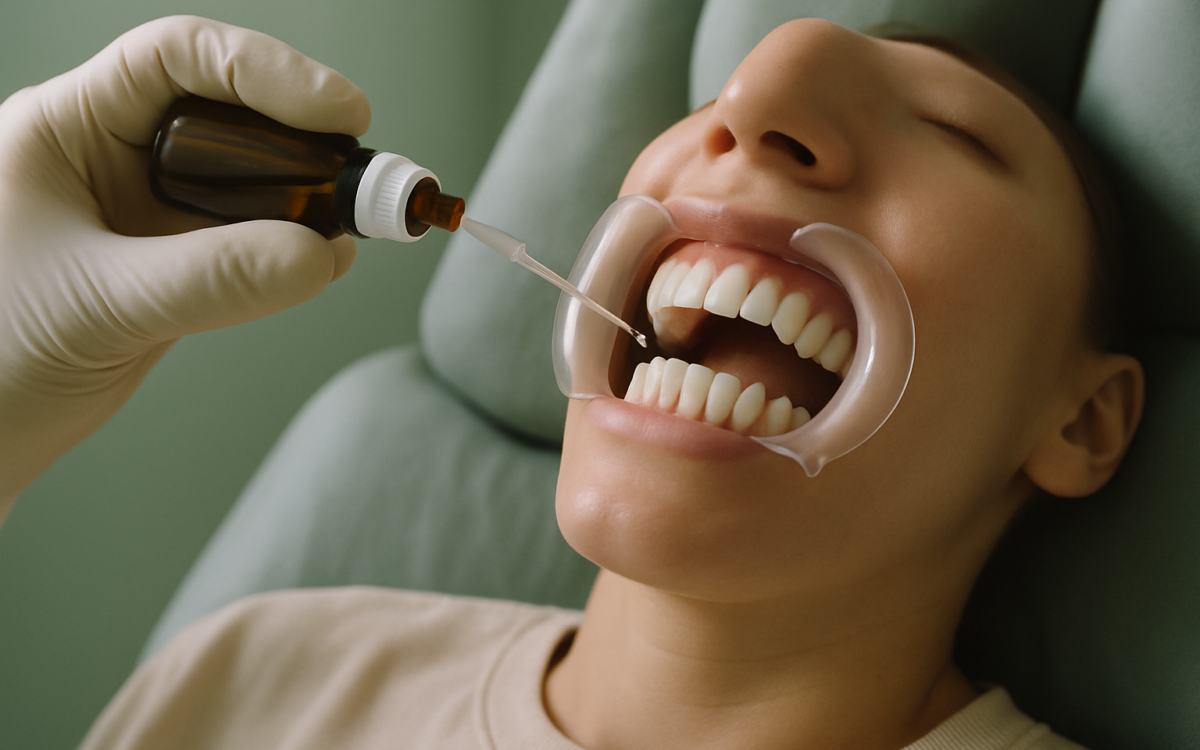
Many people desire a brighter smile and often turn to various teeth whitening products. One common household item that has gained attention for this purpose is hydrogen peroxide. Frequently used as a disinfectant, hydrogen peroxide can also work as a teeth whitener. But how effective is it, and what precautions should you consider before using it? Let’s take a closer look.
What is Hydrogen Peroxide?
Hydrogen peroxide (H2O2) is a colorless liquid that naturally occurs in the environment. It has strong oxidizing properties, which makes it effective as both a bleaching agent and a disinfectant. Its primary use is in household cleaning and as an antiseptic for minor cuts and burns. In addition to these uses, many people have started using hydrogen peroxide for various oral hygiene purposes, including teeth whitening.
How Does Hydrogen Peroxide Whiten Teeth?
The teeth whitening effect of hydrogen peroxide comes from its ability to break down stains on the surface of the teeth. When applied to the teeth, hydrogen peroxide releases oxygen molecules that penetrate the enamel, the outer layer of the teeth, and bleach stains caused by coffee, tea, tobacco, and certain foods. According to the National Institutes of Health, professional teeth whitening products often contain higher concentrations of hydrogen peroxide than those found in household solutions.
Safety Concerns of Using Hydrogen Peroxide for Teeth Whitening
While hydrogen peroxide can be effective in whitening teeth, it is essential to use it carefully. Here are a few safety concerns to consider:
- Concentration Levels: Household hydrogen peroxide usually contains 3% concentration, while dental whitening products may contain concentrations ranging from 10% to 40%. Higher concentrations can cause tooth sensitivity and gum irritation.
- Duration of Use: Prolonged or excessive use can lead to enamel erosion, making teeth more susceptible to cavities.
- Gum Irritation: Direct contact with gums can lead to irritation and potentially damage soft tissue.
Due to these factors, it is wise to consult with a dentist before starting any whitening regimen, especially using hydrogen peroxide.
How to Use Hydrogen Peroxide Safely
If you choose to use hydrogen peroxide for teeth whitening, here are some tips for doing so safely:
- Dilution: Mix one part hydrogen peroxide (3%) with one part water to reduce its strength. Do not use it in its concentrated form.
- Swish, Don’t Gargle: Swish the solution in your mouth for about 30 seconds, then spit it out. Avoid gargling to reduce the risk of ingestion.
- Limit Frequency: Limit use to a few times a week instead of daily to prevent enamel damage.
- Monitor Sensitivity: Pay attention to any discomfort or increased sensitivity, and stop using the solution if you experience these symptoms.
Alternatives to Hydrogen Peroxide for Teeth Whitening
If you’re hesitant to use hydrogen peroxide, there are other ways to achieve a brighter smile:
- Over-the-Counter Whitening Products: Many products, such as gels, strips, and toothpaste, are available that contain safe, effective whitening agents.
- Professional Whitening Treatments: Dentists can provide a more powerful whitening solution tailored to your needs, using stronger trays or in-office procedures.
- Natural Remedies: Some people turn to baking soda or activated charcoal as natural whitening agents, though these also come with their own set of safety considerations.
Whichever method you choose, ensuring it’s safe and well-researched will lead to the best oral health outcomes.
When to See a Doctor
If you experience persistent tooth sensitivity, gum irritation, or any other adverse effects after using hydrogen peroxide or other whitening methods, consider consulting a dental professional. They can provide guidance tailored to your specific dental health needs. Furthermore, if you’re seeking significant whitening results, discussing professional options might be the best course of action.
Conclusion
Hydrogen peroxide can be an effective teeth whitener when used correctly and safely. However, it is essential to be mindful of its concentration and potential side effects. Always consult a dentist before beginning any whitening routine to ensure you’re taking a safe and effective approach to achieving that bright smile you desire. Remember, oral health is vital, and making informed choices is key to maintaining it.
